Mark posts with this category that you would like to have appear on the Blog page.

Do I Sweat Too Much? Learn About Hyperhidrosis

hyperhidrosis causes and treatments

By Caroline Glick, PA-C, MPH

Hyperhidrosis, or excessive sweating, is underreported and underdiagnosed. Patients are often unaware that hyperhidrosis is a medical condition that can be treated and controlled.

Hyperhidrosis Symptoms

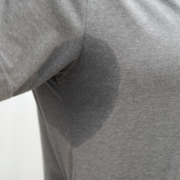
Those with hyperhidrosis have an increased risk of fungal, bacterial, and viral skin infections because their skin barrier is often compromised. Hyperhidrosis can also significantly impact a person’s quality of life. For instance, hyperhidrosis of the palms can make it difficult to shake hands or hold a pen without it slipping; hyperhidrosis of the underarms may lead to sweat stains on shirts; and hyperhidrosis of the feet can lead to damp socks and slippery sandals.

In fact, 75% of people with hyperhidrosis report negative impacts on their social life, emotional, and mental health. Excessive sweating can lead to embarrassment, anxiety, and added stress. Indeed, the prevalence of anxiety and depression in people with hyperhidrosis is higher than in people without hyperhidrosis.

There are two types of hyperhidrosis:

  • Primary hyperhidrosis: The cause of excessive sweating is not from an underlying medical condition or medication.
  • Secondary hyperhidrosis: The cause of excessive sweating is from an underlying condition or a medication.

Hyperhidrosis Treatments

While treatment for secondary hyperhidrosis often involves addressing the underlying condition or medication, once a diagnosis of primary hyperhidrosis is made, there are a variety of treatment options available to patients.

  • Anti-perspirants: These are available both over-the-counter and in prescription strengths. Anti-perspirants work by forming temporary superficial plugs in the skin to stop sweating and work best when applied at night. However, they can sometimes cause irritation. Anti-perspirants are different than deodorants, as deodorants only mask smells.
  • Qbrexza: This is a prescription medicated wipe. It is applied daily at home, and it blocks receptors that cause sweat gland activation.
  • Sofdra: This is a prescription-strength topical gel. It is applied nightly at home and works to block chemical signals that cause sweating.
  • Botulinum Toxin (Botox): This is FDA-approved to treat hyperhidrosis. Botox injections are administered under the skin. It works by stopping a chemical in the body that causes sweating. The effects usually last for 3-6 months.
  • Iontophoresis: This is administered through a medical device that can be used by patients at home. The device causes a mild electric current to pass through water and the surface of the skin. Although the exact mechanism of action is not known, it can help reduce sweating.
  • Microwave thermolysis (miraDry): This is an in-office procedure that eliminates sweat glands through electromagnetic technology.
  • Oral medications: Oral medications that are known as anticholinergics can be prescribed “off-label” for hyperhidrosis. These medications work by blocking signals that normally cause the body to sweat. Sometimes these medications can cause dry mouth or dry eyes.

If you experience excessive sweating, please make an appointment with a provider here at Dermatologic Surgery Center of Washington, or near you, to discuss the best treatment options for you.


Sources:

International Hyperhidrosis Society. (n.d.). Antiperspirant Basics. https://www.sweathelp.org/hyperhidrosis-treatments/antiperspirants/antiperspirant-basics.html

International Hyperhidrosis Society. (n.d.). Hyperhidrosis and Mental Health. Impacthttps://www.sweathelp.org/home/hyperhidrosis-mental-health-impact.html

International Hyperhidrosis Society. (n.d.). Iontophoresis. https://www.sweathelp.org/treatments-hcp/iontophoresis.html

Parashar K, Adlam T, Potts G. The Impact of Hyperhidrosis on Quality of Life: A Review of the Literature. Am J Clin Dermatol. 2023 Mar;24(2):187-198. https://pmc.ncbi.nlm.nih.gov/articles/PMC9838291/


Why I Am Concerned About Medicare and Skin Cancer Care

I am sounding the alarm. Access to timely skin cancer diagnosis and treatment is under threat. CMS (Centers for Medicare & Medicaid Services) is considering changes to the 2027 Medicare Physician Fee Schedule that could make it harder for dermatologists to provide the close surveillance, prompt appointments, and same-day care that help us find skin cancer early.

I have seen what happens when that access is interrupted.

During COVID, many patients postponed skin examinations, biopsies, and treatment. When they returned, I saw cancers that were larger and more advanced than was typical, including melanomas and squamous cell carcinomas. Some required far more extensive treatment than they likely would have if found earlier.

Skin cancers are highly treatable when caught early. But early detection depends on regular examinations, close surveillance, and prompt biopsies.

The proposed Medicare changes put that care at risk. One provision would cut payment for the evaluation portion of a visit by 50% when a dermatologist also performs a procedure, such as a biopsy, that day.

The American Academy of Dermatology Association estimates that the combined changes could reduce dermatology reimbursement by approximately 11% in 2027, with deeper cuts to follow. This comes after more than two decades in which Medicare physician payment has already declined 33% when adjusted for inflation in practice costs.

Cuts of this size could force practices to limit the number of Medicare patients they see, leading to fewer appointments, longer waits, and less access to the close surveillance that saves lives.

I recently spent three days on Capitol Hill with dermatologists from across the country explaining to legislators what these changes could mean for patients. Policymakers also need to hear from you.

Please add your name to the Save Skin Cancer Care Community Statement and tell policymakers that patients need continued access to timely skin cancer detection and treatment.

– Maral Kibarian Skelsey, MD

Treatment Options for Melasma: What Works & What Doesn’t

By Joan Pohutsky DNP, NP-BC

Melasma is a common acquired pigmentary disorder characterized by symmetric hyperpigmented patches, most frequently affecting sun-exposed areas of the face. Although benign, melasma can have a significant impact on quality of life due to its chronic, relapsing nature and the cosmetic concerns it creates. Effective management remains challenging, as treatment responses vary and recurrence is common. As a board-certified dermatology nurse practitioner, I frequently counsel patients on evidence-based approaches to melasma treatment. In this article, I will review the current therapeutic options, examine the clinical evidence supporting their use, and discuss treatments that may offer limited or inconsistent benefit.

What Causes Melasma?

Melasma results from overactive melanocytes, the cells responsible for producing pigment in the skin. Its development is influenced by environmental, hormonal, genetic, and inflammatory factors:

  • Sun exposure: Ultraviolet (UV) radiation is the most significant trigger, stimulating melanocyte activity and worsening pigmentation.
  • Hormonal fluctuations: Pregnancy (commonly referred to as “the mask of pregnancy”), oral contraceptives, and hormone replacement therapy can precipitate or exacerbate melasma.
  • Genetic predisposition: Individuals with a family history of melasma are at higher risk, indicating a heritable component.
  • Skin irritation or inflammation: Certain cosmetic procedures, topical products, or skin trauma may lead to post-inflammatory hyperpigmentation, which can exacerbate existing melasma.

Because melasma is a chronic, relapsing disorder, long-term management typically involves a combination of topical agents, procedural therapies, and consistent photoprotection.

Evidence-Based Treatments

  1. Hydroquinone
    • Mechanism: Tyrosinase inhibitor that reduces melanin synthesis.
  1. Triple Combination Therapy
    • Mechanism: Combination of hydroquinone, tretinoin, and a mild corticosteroid that reduces melanin synthesis, increases epidermal turnover, and decreases inflammation to enhance pigment clearance.
  1. Azelaic Acid
    • Mechanism: Inhibits melanocyte proliferation; safe for use in pregnancy.
  1. Retinoids
    • Mechanism: Promotes epidermal turnover and reduces pigment deposition.
  1. Tranexamic Acid
    • Mechanism: Reduces melanocyte activation and vascular contribution to melasma. Available in topical, oral, and intradermal forms. Oral use is considered with appropriate patient screening due to potential thromboembolic risk.
Other Promising Adjuncts
  1. Kojic Acid
    • Mechanism: Mild depigmenting agent often used in combination therapy.
  1. Vitamin C (Ascorbic Acid)
    • Mechanism: Antioxidant and tyrosinase inhibitor with mild clinical improvement, best used in combination therapy.
  1. Vitamin B3 (Niacinamide)
    • Mechanism: Inhibits melanosome transfer to keratinocytes and reduces inflammation.
  1. Polypodium leucotomos
    • Mechanism: Oral antioxidant (fern extract) used as an adjunct that provides systemic photoprotection and anti-inflammatory effects rather than direct pigment suppression.

Procedures That May Help

  1. Chemical Peels
    • Mechanism: Remove the outer skin layer to improve pigmentation.
  1. Certain Laser and Light Therapies
    • Mechanism: Certain laser and light therapies may target pigment or stimulate dermal remodeling, but outcomes are variable and patient-specific.
  1. Microneedling
    • Mechanism: While not a primary therapy, it is supportive in melasma treatment by enhancing penetration and absorption of topical treatments, promoting skin turnover, and stimulating skin remodeling.

Treatments That Don’t Work Well

  • Over-the-counter “miracle creams”: Many lack clinical evidence.
  • Unsupervised high-strength bleaching agents: Can cause irritation or permanent discoloration.
  • Single-use laser or peel treatments: Melasma tends to recur without ongoing management and sun protection. Procedures should be reviewed with your DSCW provider to assess which may be appropriate (or inappropriate) for your skin type.

The Key to Long-Term Control

  1. Sun Protection: Daily use of broad-spectrum SPF 30+ and physical blockers (zinc oxide, titanium dioxide) is non-negotiable.
  2. Consistent Skincare Routine: Gentle cleansers, moisturizers, and prescribed topical agents.
  3. Ongoing Maintenance: Even after successful treatment, melasma can return. Intermittent use of topical agents may help prevent relapse.

Bottom Line

Melasma is challenging but treatable with a combination of prescription topicals, safe procedures, and diligent sun protection. Avoid shortcuts and unproven remedies-they often worsen the condition! Consult your DSCW dermatology provider today to create a personalized treatment plan.


References:

American Academy of Dermatology Association. (2026). Melasma: Overview. American Academy of Dermatology. https://www.aad.org/public/diseases/a-z/melasma-overview

Gan, C., Rodrigues, M. An Update on New and Existing Treatments for the Management of Melasma. Am J Clin Dermatol 25, 717–733 (2024). https://doi.org/10.1007/s40257-024-00863-2

González-Molina V, Martí-Pineda A, González N. Topical Treatments for Melasma and Their Mechanism of Action. J Clin Aesthet Dermatol. 2022 May;15(5):19-28. PMID: 35642229; PMCID: PMC9122278.

Jo JY, Chae SJ, Ryu HJ. Update on Melasma Treatments. Ann Dermatol. 2024 Jun;36(3):125-134. doi: 10.5021/ad.23.133. PMID: 38816973; PMCID: PMC11148313.

Neagu, N., Conforti, C., Agozzino, M., Marangi, G. F., Morariu, S. H., Pellacani, G., … Dianzani, C. (2022). Melasma treatment: a systematic review. Journal of Dermatological Treatment, 33(4), 1816–1837. https://doi.org/10.1080/09546634.2021.1914313

Parać, E., & Bukvić Mokos, Z. (2024). Unmasking Melasma: Confronting the Treatment Challenges. Cosmetics, 11(4), 143. https://doi.org/10.3390/cosmetics11040143

Piętowska, Z., Nowicka, D., & Szepietowski, J. C. (2022). Understanding Melasma-How Can Pharmacology and Cosmetology Procedures and Prevention Help to Achieve Optimal Treatment Results? A Narrative Review. International Journal of Environmental Research and Public Health, 19(19), 12084. https://doi.org/10.3390/ijerph191912084

Bemotrizinol: A New Sunscreen Ingredient That Helps Protect Your Skin

By Kyleen Davis, FNP

For the first time in more than 25 years, the United States has approved a new sunscreen filter called bemotrizinol. People in Europe, Canada, Australia, and many Asian countries have used it safely for years, and now it is finally available here. This is exciting because it gives families another strong option for protecting their skin.

What makes bemotrizinol special?

Bemotrizinol protects your skin from both UVA and UVB rays:
  • UVB rays cause sunburn and play a big role in skin cancer.
  • UVA rays go deeper into the skin and can cause wrinkles, dark spots, and early aging.

Most sunscreens in the U.S. use several ingredients to cover both types of rays. Bemotrizinol can do this on its own, which means sunscreen makers can create products that work better with fewer ingredients.

Safe and gentle on skin:

Another benefit is how it behaves on the skin. Bemotrizinol is a large, heavy molecule, which means it stays on the surface of your skin instead of being absorbed into your body. Studies show that it stays in the outer layer of skin and has very low absorption, which supports its strong safety profile. It is approved for adults and for children as young as six months.

Feels better on the skin:

Many people dislike sunscreens because they feel sticky or leave a white film. Bemotrizinol is different:

  • It goes on clear
  • It blends easily
  • It doesn’t leave a chalky look
  • It works well in lightweight, comfortable formulas

When sunscreen feels better, people are more likely to use it every day, which is key for preventing skin cancer.

Stays strong in the sun:

Some sunscreen ingredients break down after being in sunlight for a while. Bemotrizinol is highly stable, meaning it keeps working even after hours outside. It can also help other sunscreen ingredients stay effective longer.

Why are new sunscreen ingredients important?

Skin cancer is the most common cancer in the United States. Millions of people are treated every year, and melanoma cases continue to rise. Using sunscreen daily is one of the easiest ways to lower your risk.

Having a new ingredient that is safe, strong, and pleasant to use gives patients more choices — especially for people who have struggled to find a sunscreen they like.

When will you see bemotrizinol in stores?

Products containing bemotrizinol may appear by the end of 2026. Some may be labeled under the name “Parsol Shield”. You’ll likely see it in lotions, creams, and facial sunscreens.

Tips for choosing a sunscreen
  • Look for “broad spectrum” on the label
  • Choose SPF 30 or higher
  • Reapply every two hours when outdoors
  • Use enough: most adults need about a shot‑glass amount for full body coverage
The bottom line

Bemotrizinol is a welcome addition to U.S. sunscreens. It offers strong protection, low absorption, and a clear, comfortable feel on the skin. As more products become available, patients will have better options to help keep their skin healthy for years to come.


References

American Academy of Dermatology (N.D.). Skin Cancer. Available online at: https://www.aad.org/media/stats-skin-cancer.

AIM at Melanoma (June 2026). The FDA just approved a new sunscreen ingredient: what it means for patients with skin cancer, survivors, and the general public. Available online at: https://aimatskincancer.org/living-with-skin-cancer/the-fda-just-approved-a-new-sunscreen-ingredient-what-it-means-for-patients-with-skin-cancer-survivors-and-the-general-public/.

AIM at Melanoma (N.D.) What is Sunscreen? Available online at: https://www.aimatmelanoma.org/melanoma-101/prevention/sunscreen/.

Centers for Disease Control (April 2026). Melanoma of the skin statistics. Available online at: https://www.cdc.gov/skincancer/statistics/index.html?copilot_analytics_metadata=eyJldmVudEluZm9fY2xpY2tEZXN0aW5hdGlvbiI6Imh0dHBzOlwvXC93d3cuY2RjLmdvdlwvc2tpbi1jYW5jZXJcL3N0YXRpc3RpY3NcL2luZGV4Lmh0bWwiLCJldmVudEluZm9fY2xpY2tTb3VyY2UiOiJjaXRhdGlvbkxpbmsiLCJldmVudEluZm9fY29udmVyc2F0aW9uSWQiOiI3ZEpXSmFwQWQ3M1pwcHVobWVLS3oiLCJldmVudEluZm9fbWVzc2FnZUlkIjoiS0dSOTFNWGtpV0t3aGpKNXFEWVJoIn0%3D&utm_source=copilot.com.

DSM-Firmenich (2024). DSM-Firmenich receives FDA-approval for Parsol Shield (bemotrizinol) (Press release). Available online at: https://our-company.dsm-firmenich.com/en/our-company/news/press-releases/2026/dsm-firmenich-receives-fda-approval-on-parsol-shield.html.

Rigel, D. & Bosslett, M. (June 2026). What dermatologists need to know about the first new sunscreen ingredient in decades. Dermatology Times. Available online at: https://www.dermatologytimes.com/view/what-dermatologists-need-to-know-about-the-first-new-sunscreen-ingredient-in-decades.

Ruiz, C., Plautz, J., Schuetz, R., Sanabria, C., Hammonds, J. Erata, C., Klock, J., Vollhardt, J., & Mesaros, S. (2023). Preliminary clinical pharmacokinetic evaluation of bemotrizinol-a new sunscreen active ingredient being considered for inclusion under FDA’s over-the-counter (OTC) sunscreen monograph. Regulatory Toxicology and Pharmacology, 139, 105344.

U.S. Food and Drug Administration (June 2026). FDA expands sunscreen options for the first time in 20 years. Available online at: https://www.fda.gov/news-events/press-announcements/fda-expands-sunscreen-options-first-time-20-years.

World Health Organization (N.D.) Skin cancer. Available online at: https://www.iarc.who.int/cancer-type/skin-cancer/.

UV Awareness Month: How Understanding the UV Index Can Help Prevent Skin Cancer

UV Awareness Month (July) is an important reminder that protecting your skin is about more than avoiding a painful sunburn; it’s about reducing your risk of skin cancer.

Skin cancer is the most common type of cancer, and exposure to ultraviolet (UV) radiation from the sun is one of the leading risk factors. The good news is that many cases can be prevented through simple sun safety habits and by paying attention to the daily UV Index.

Summer Fun and Hidden UV Risks

Summer is a time for outdoor activities, family gatherings, and making memories. Whether you’re spending the afternoon at a baseball game, playing a game of tennis, taking the kids to the park, relaxing at the beach, attending a backyard barbecue, or enjoying a hike with friends, chances are you’ll be spending more time in the sun.

What many people don’t realize is that UV exposure can add up quickly during these activities. Sitting in the stands at a baseball game for several hours, walking around a local festival, or spending the day at the beach can expose your skin to significant amounts of UV radiation—even if the weather feels mild or the sky is partly cloudy.

That’s why it’s important to make sun protection part of your routine whenever you’re outdoors.

The Connection Between UV Rays and Skin Cancer

Ultraviolet (UV) rays are invisible rays that come from the sun. While a little sun exposure is a normal part of life, too much UV radiation can damage the DNA in skin cells. Over time, this damage can accumulate and increase the risk of developing skin cancer.

Even if you don’t burn easily, UV exposure can still cause long-term skin damage. That’s why sun protection is important for people of all skin tones and ages.

Why Sunburn Matters

A sunburn is more than a temporary inconvenience. It is a sign that UV radiation has damaged your skin.

Research has shown that repeated sunburns, especially during childhood and adolescence, can significantly increase the risk of developing skin cancer later in life. Preventing sunburns today can help protect your long-term health.

What Is the UV Index?

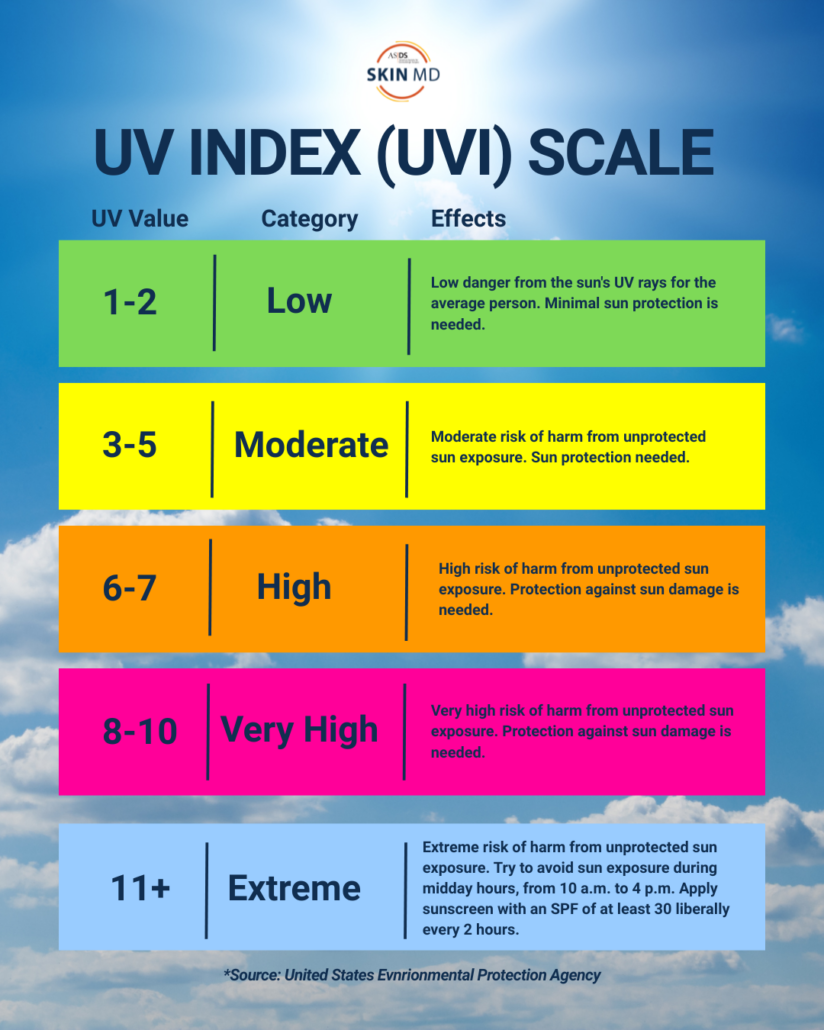
The UV Index is a tool that measures the strength of the sun’s UV radiation at a specific location and time. Think of it as a forecast that tells you how quickly UV rays could damage your skin.

Before heading out to a baseball game, a picnic in the park, or a day at the beach, checking the UV Index can help you determine how much protection you’ll need.

The higher the UV Index number, the greater your risk of skin damage and the more important it becomes to take protective measures.

Understanding the UV Index

Many people assume they only need sun protection on hot summer days, but UV levels can be high even when temperatures are mild or skies are cloudy. That’s why checking the UV Index is one of the simplest ways to make informed decisions about protecting your skin.

How to Check the UV Index in Your Area

Checking the UV Index takes just a few seconds and can help you make informed decisions before heading outdoors. The U.S. Environmental Protection Agency (EPA) provides a free UV Index search tool and downloadable app that allows you to view current and forecasted UV levels based on your ZIP code or location.

Visit the EPA’s UV Index page at EPA UV Index Search Tool to check the UV forecast for your area. If the UV Index is 3 or higher, the EPA recommends taking precautions such as applying sunscreen, wearing protective clothing, seeking shade, and limiting prolonged sun exposure during peak daylight hours.

Don’t Skip Your Annual Skin Check

While sunscreen, protective clothing, and checking the UV Index are all important ways to reduce your risk of skin cancer, regular skin examinations by a board-certified dermatologist are another essential part of protecting your skin health.

Skin cancer is highly treatable when detected early, which is why professional skin checks are so important. During a full-body skin exam, a board-certified dermatologist can identify suspicious moles, spots, or lesions that may be difficult for you to notice on your own.

In addition to scheduling routine skin exams, it’s important to become familiar with your skin and monitor for any changes between visits. Contact your dermatologist if you notice:

  • A new mole or growth
  • A spot that changes in size, shape, or color
  • A sore that doesn’t heal
  • A lesion that bleeds, crusts, or itches
  • Any spot that looks different from others on your skin

Simple Ways to Reduce Your Risk

Check the UV Index Daily

Making a habit of checking the UV Index can help you know when extra precautions are needed. A high UV Index means your skin can be damaged more quickly, even if the weather feels comfortable. The U.S. Environmental Protection Agency (EPA) provides a free UV Index search tool and downloadable app that allows you to view current and forecasted UV levels based on your ZIP code or location.

Use Broad-Spectrum Sunscreen

Apply a broad-spectrum sunscreen with SPF 30 or higher before attending outdoor events, heading to the beach, or spending an afternoon at the park. Reapply every two hours and after swimming or excessive sweating.

Exciting Sunscreen News!

In June 2026, the Food and Drug Administration (FDA) approved bemotrizinol, a broad-spectrum sunscreen ingredient that protects against both UVA and UVB rays. Used widely in Europe, Asia, and Australia, dermatologists and sunscreen experts have been anticipating this decision for years.

UVB rays are primarily responsible for sunburn, while UVA rays penetrate deeper into the skin and contribute to premature aging, hyperpigmentation, and an increased risk of skin cancer. Effective protection against both types of ultraviolet radiation is essential for comprehensive sun safety.

Although the approval itself is exciting, manufacturers will need time to incorporate the ingredient into new formulations and bring products to market.

While we wait for bemotrizinol products, AIM at Skin Cancer Foundation recommends:

    • Continue using your current broad-spectrum SPF 30 or higher sunscreen daily—existing products remain effective and are your best line of defense right now
    • Reapply every two hours when outdoors, and immediately after swimming or sweating
    • Don’t rely on sunscreen alone—wearing protective clothing, wide-brimmed hats, and UV-blocking sunglasses, and seeking shade during peak UV hours (10am–4pm) remain critical
    • Talk to your dermatologist about your personal sun protection plan, especially if you are a melanoma survivor or have elevated risk factors
    • Perform regular skin self-exams and keep up with your scheduled dermatology appointments

Seek Shade During Peak UV Hours

UV rays are typically strongest between 10 a.m. and 4 p.m. If you’re watching a baseball game or attending an outdoor event during these hours, look for shaded seating areas whenever possible.

Wear Protective Clothing

Long-sleeved shirts, wide-brimmed hats, and UV-blocking sunglasses provide an additional layer of protection against harmful rays.

Protect Your Skin for Life

UV Awareness Month is an opportunity to build healthy habits that last all year. A few moments spent checking the UV Index, applying sunscreen, and scheduling regular skin exams with a board-certified dermatologist can make a meaningful difference in protecting your skin and reducing your risk of skin cancer for years to come and support lifelong skin health.


Sources

  1. National Cancer Institute. Skin Cancer Prevention (PDQ®). https://www.cancer.gov/types/skin/patient/skin-prevention-pdq
  2. National Cancer Institute. Ultraviolet Radiation and Cancer. https://www.cancer.gov/about-cancer/causes-prevention/risk/radiation/ultraviolet-fact-sheet
  3. Centers for Disease Control and Prevention. Skin Cancer Prevention and Sun Safety. https://www.cdc.gov/skin-cancer
  4. U.S. Environmental Protection Agency. Learn About the UV Index. https://www.epa.gov/sunsafety/learn-about-uv-index
  5. American Academy of Dermatology. Sunscreen and Sun Protection Resources. https://www.aad.org/public/everyday-care/sun-protection
  6. Skin Cancer Foundation. Prevention and Early Detection Resources. https://www.skincancer.org/
  7. Melanoma Research Alliance: What is the UV Index? Measurement For UV Radiation

https://www.curemelanoma.org/about-melanoma/prevention/uv-index


GLP-1 Skin Is Real — Here’s How Dermatologists Are Treating It

Rapid weight loss can transform your health, energy, and metabolic markers. But for many people taking GLP-1 medications like Ozempic, Wegovy, Mounjaro, or Zepbound, there’s an unexpected side effect that often shows up in the mirror first: thinner, drier, more hollow-looking skin.

Dermatologists are increasingly referring to this as “GLP-1 skin” — a combination of volume loss, skin laxity, dehydration, and accelerated collagen decline that can happen after significant medication-driven weight loss.

Now, emerging research suggests that regenerative treatments may help address these changes more effectively than traditional fillers alone. A recent study conducted by Dr. Andreas Nikolis[1] examined how combining Sculptra and Restylane Skinboosters improved hydration, skin barrier function, elasticity, and collagen support in menopausal women — and researchers also explored how GLP-1 medications may alter fat tissue itself.

Why GLP-1 Skin Happens

Most people assume the issue is simply “losing fat in the face.” But researchers are beginning to think the biology is more complicated. In interim data presented this spring, investigators found that patients experiencing medication-driven weight loss showed a significant reduction in adipose-derived stem cells — cells involved in tissue regeneration and structural support.[2]

That may help explain why some people notice: hollow cheeks and temples, crepey or loose skin, increased dryness, more visible wrinkles, sagging around the jawline, and skin that suddenly looks “tired” or deflated. The changes can resemble what happens during menopause, when estrogen decline contributes to rapid collagen loss, thinning skin, and impaired barrier function.

The New Approach: Hydration + Collagen Stimulation

For years, aesthetic medicine focused heavily on replacing lost volume with filler. But many dermatologists now believe GLP-1 skin requires a broader regenerative approach. That’s where treatments like Restylane Skinboosters and Sculptra come in.

Restylane Skinboosters: Rehydrating the Skin

Restylane Skinboosters use hyaluronic acid to improve hydration, smoothness, and skin quality rather than creating dramatic volume. Think of it as improving the condition of the skin itself instead of simply “filling” it. In the recent menopause-focused trial, patients who received Restylane Skinboosters first experienced the greatest improvement in hydration and barrier function. For GLP-1 patients, that matters because rapid weight loss often leaves skin looking dehydrated and fragile before volume loss becomes severe.

Sculptra: Rebuilding Collagen Over Time

Sculptra works differently from traditional fillers. Instead of instantly filling space, it stimulates the body to gradually produce collagen over several months. That slow collagen remodeling may be particularly useful for people experiencing diffuse facial thinning, crepey texture, skin laxity, and structural collagen decline.

Researchers noted that regenerative treatments like Sculptra may align better with the biology of medication-driven weight loss because the issue may involve tissue regeneration — not just fat depletion.

Why Combination Treatment Matters

One of the most interesting findings from the new data is that sequencing appears important. The combination approach worked best when hydration was restored first, followed by collagen stimulation later. That mirrors what many cosmetic dermatologists already see clinically: rehydrate the skin; improve barrier function; stimulate collagen gradually; and restore structure conservatively. This tends to create more natural-looking results than aggressively adding filler to an already dehydrated face.

Other Treatments That May Help GLP-1 Skin

Injectables are only part of the picture. Dermatologists often combine them with treatments that support collagen production and skin quality. Common options include:

Microneedling

Creates controlled micro-injury that stimulates collagen remodeling.

Radiofrequency Microneedling

Combines collagen induction with skin tightening.

Prescription Retinoids

Tretinoin remains one of the most evidence-based topical collagen stimulators available.

Growth Factor or Peptide Skincare

Some patients use regenerative skincare products to support healing and elasticity.

Hormonal Evaluation

For peri- and postmenopausal women, hormonal shifts may compound GLP-1-related collagen loss. Some patients report improved skin quality after starting hormone replacement therapy, although treatment should always be individualized medically.

What Dermatologists Want Patients to Understand

The biggest misconception about GLP-1 skin is that more filler is automatically the answer.

In reality, overfilling can sometimes worsen the problem by making the face appear puffy while skin quality remains thin and dehydrated. The goal is not to erase weight loss — it’s to help the skin adapt to it. Many experts now favor a regenerative strategy focused on collagen support, hydration, gradual restoration, and skin health first.

The Bottom Line

GLP-1 medications are changing medicine and helping millions improve their health. But rapid weight loss can expose underlying collagen loss, skin thinning, and structural changes faster than the skin can naturally recover. Emerging research suggests the future of treatment may combine: hydration-focused injectables like Restylane Skinboosters; regenerative collagen stimulators like Sculptra; energy-based tightening treatments; medical-grade skincare; individualized hormonal and nutritional support; and, more importantly, dermatologists are beginning to treat GLP-1 skin as a biologic process — not just a cosmetic concern.


Sources

[1] Nikolis A, et al. A comprehensive interim analysis of skin hydration, barrier function (TEWL), elasticity, and patient satisfaction across two treatment arms. Interim Data on File. Galderma. April 2026

[2]  Fabi S, et al. Investigating the Impact of GLP-1 Receptor Agonists on Adipose-Derived Stem Cells. Interim Data on File. Galderma. April 2026

Galderma

Interim data from two ongoing investigator-initiated trials highlight the role of Sculptra® and Restylane® in addressing aesthetic changes associated with weight loss medications and menopause | Galderma. April 8, 2026

Dermatology Times

Galderma Unveils New Interim Trial Data on Menopause and Weight Loss-Driven Skin Changes | Dermatology Times

reachmd.com

Interim IIT Data Explore Sculptra, Restylane for Menopause, Weight Loss–Related Aesthetic Changes – Be part of the knowledge – ReachMD

CenterWatch

Post-Menopause Skin Rejuvenation Study | Clinical Research Trial Listing. January 19, 2026

ICHGCP

Sculptra Aesthetic and Restylane SkinBoosters Vital in Menopause and Post-menopause and Hyaluronic Acid – Clinical Trials Registry – ICH GCP

MedEsthetics

New Dual-Sequence Menopause Study Shows Skin Quality Improvement With Restylane Skinboosters and Sculptra | MedEsthetics. April 12, 2026

Anti-Aging in the Digital Era: Part II

By Elena Allbritton, MD, FAAD

Lifestyle Factors: The Underestimated Anti-Aging Pillars

In Part II of our “Anti-Aging in the Digital Era” series, we shift the focus from products and procedures to the often-overlooked drivers of how our skin truly ages: lifestyle factors. While modern dermatology offers powerful tools, daily habits like sleep, nutrition, stress management, and screen exposure play a critical role in skin health at the cellular level. Understanding and optimizing these foundational pillars is essential for anyone looking to support long-term skin resilience and achieve meaningful, lasting results.

Sleep and Skin Regeneration

Sleep is when the body’s most significant skin repair processes occur. During slow-wave (deep) sleep, growth hormone secretion peaks, driving cellular repair and collagen synthesis. A 2015 study in Clinical and Experimental Dermatology (Oyetakin-White et al.) found that poor sleep quality was associated with increased signs of intrinsic skin aging, reduced skin barrier function, and slower sunburn recovery. Adults who consistently sleep fewer than 7 hours per night also show elevated levels of cortisol, a key driver of collagen degradation.

Diet, Glycation, and Inflammation

Diet influences skin aging through several pathways. Advanced glycation end-products (AGEs) that are formed when sugar molecules bond with proteins contribute directly to the loss of skin elasticity and firmness. Diets high in refined carbohydrates and sugar accelerate AGE formation. Conversely, diets rich in colorful vegetables, omega-3 fatty acids, and polyphenols support skin integrity through antioxidant and anti-inflammatory mechanisms. The Mediterranean diet has been associated with longer telomere length and reduced markers of skin photoaging in epidemiological studies.

Stress and Telomere Biology

Chronic psychological stress accelerates biological aging at the cellular level. Elevated cortisol suppresses telomerase activity, the enzyme responsible for maintaining protective telomere length. Stress management interventions such as mindfulness-based stress reduction, yoga, and regular aerobic exercise have all shown measurable benefits for telomere preservation and systemic inflammation.

Blue Light and Digital-Era Stressors

The average American now spends over 7 hours per day in front of digital screens. Emerging research suggests HEV can contribute to melasma exacerbation and free radical-driven aging changes. Additionally, the blue light emitted by screens is well-documented to suppress melatonin secretion, disrupting circadian rhythms and compounding the skin-aging consequences of poor sleep.

Building a Personalized “Anti-Aging” Plan

Effective anti-aging medicine is not one-size-fits-all. The most successful outcomes come from individualized treatment plans that account for skin type, genetic predispositions, lifestyle factors, and patient goals. A board-certified dermatologist or trained provider can perform a thorough skin assessment and design a treatment protocol.

In general, a comprehensive anti-aging protocol includes:

  • Daily broad-spectrum SPF 30+ mineral sunscreen (non-negotiable, year-round)
  • A prescription-strength retinoid or high-quality OTC retinol, introduced gradually
  • An antioxidant serum (Vitamin C, niacinamide, Vitamin E) to combat DNA-induced sun damage
  • Patients concerned about HEV exposure may consider an antioxidant-rich topical product and an iron-oxide-containing mineral sunscreen
  • Adequate hydration and a lipid/ceramide-rich moisturizer to support barrier function
  • Periodic in-office procedures tailored to specific concerns (pigmentation, laxity, volume loss, skin texture)
  • Lifestyle optimization: 7-9 hours of quality sleep, an anti-inflammatory diet, stress management, and regular exercise
  • Limiting recreational sun exposure and using protective clothing and accessories

Technology can augment this plan in meaningful ways. However, these tools work best as complements to, and not as a replacement for, a relationship with a trained dermatologist who can optimize treatment combinations and adjust protocols as your skin evolves.

The Bottom Line

The science is clear: sun protection, retinoids, antioxidants, restorative sleep, a low-glycemic anti-inflammatory diet, and stress management form the bedrock of any effective anti-aging strategy. A cosmetic consultation to discuss a personalized plan can enhance your outcomes. There is no current way to stop the aging process; however, utilizing the myriad tools available, your provider can help create a protocol that fits your skin, your lifestyle, and your goals to help you age well.


Sources

Griffiths CEM, et al. (1995). Restoration of collagen formation in photodamaged human skin by tretinoin. New England Journal of Medicine, 329(8). 530-535.

Hughes MCB, et al. (2013). Sunscreen and prevention of skin aging: a randomized trial. Annals of Internal Medicine, 158(11), 781-790.

Nakamura M, et al> (2015). Impact of visible light on skin aging: an invitro study. Journal of Investigative Dermatology, 135(7).

Epel ES, et al. (2004). Accelerated telomere shortening in response to life stress. PNAS, 101(49), 17312-17315.

Oyetakin-White P, et al. (2015). Does poor sleep quality affect skin aging? Clinical and Experimental Dermatology, 40(1), 17-22.

Pinnell SR, et al. (2001). Topical L-ascorbic acid: percutaneous absorption studies. Dermatologic Surgery, 27(2), 137-142.

Krutmann J, et al. (2017). The skin aging exposome. Journal of Dermatological Science, 85(3), 152-161.

Anti-Aging in the Digital Era: Part I

By Elena Allbritton, MD, FAAD

Aging is a universal biological process, but how we age has changed dramatically in the modern world. From AI-powered skincare apps to laser resurfacing technology that was unimaginable two decades ago, patients today have more tools at their disposal than ever before. At the same time, new digital-era stressors like screen time, blue light exposure, and poor sleep hygiene are accelerating certain aspects of skin aging. This guide offers an evidence-based overview of what we know, what works, and how to build a comprehensive anti-aging strategy.

Understanding Skin Aging: The Science Behind the Process

Skin aging occurs through two overlapping mechanisms: intrinsic (chronological) aging and extrinsic aging driven by environmental exposures. Intrinsic aging is genetically programmed and involves the gradual decline of collagen and slower cellular turnover. Extrinsic aging accounts for most of the visible facial aging and is primarily driven by ultraviolet (UV) radiation, known as photoaging.

A landmark study published in the Clinics in Dermatology (2012) estimated that UV exposure accounts for up to 80% of visible facial aging signs. Additional culprits include air pollution, infrared radiation, and high-energy visible (HEV) light commonly emitted by digital screens (Nakamura et al., 2015, Journal of Investigative Dermatology).

At the cellular level, aging skin is characterized by shortened telomeres and mitochondrial dysfunction.

Understanding these mechanisms helps explain why multi-modal anti-aging strategies tend to outperform any single-ingredient or single-treatment approach.

Evidence-Based Skincare Ingredients for Anti-Aging

The cosmeceutical market is flooded with products promising dramatic results, but only a handful of active ingredients have robust clinical evidence supporting their efficacy. Here is what science says about the most important ones.

Retinoids (Vitamin A Derivatives)

Topical retinoids remain the gold standard in evidence-based anti-aging skincare. Tretinoin (retinoic acid), a prescription-strength retinoid, has been shown to stimulate collagen synthesis and reduce the appearance of fine lines and rough texture. Retinoids are known to cause transient mild irritation, including redness and dryness. Over-the-counter retinol offers a lower-potency alternative with a more tolerable side effect profile for some individuals.

Antioxidants: Vitamin C, Niacinamide, and Resveratrol

Topical antioxidants neutralize reactive oxygen species (ROS) generated by UV radiation, pollution, and HEV lights, making them particularly relevant in the digital era. L-ascorbic acid (Vitamin C) at concentrations of 10-20% has been shown to boost collagen synthesis and provide photoprotection when applied beneath sunscreen (Pinnell at al., 2001 Dermatology Surgery). Niacinamide (Vitamin B3) addresses multiple aging endpoints, including barrier function and hyperpigmentation, with a well-documented tolerability profile. Resveratrol and other plant-derived polyphenols show promising preclinical data for activating sirtuin pathways linked to cellular longevity.

Peptides and Growth Factors

Signal peptides such as palmitoyl pentapeptide-4 (Matrixyl) are a viable complement to retinoid-based regimens, particularly for patients who cannot tolerate retinoids. Growth factor formulations derived from human fibroblast-conditioned media or plant stem cells are also gaining traction, though regulatory inconsistencies mean that independent clinical validation varies significantly by product.

Sunscreen: The Non-Negotiable Foundation

No anti-aging regimen is complete without daily broad-spectrum SPF 30+ sunscreen. Mineral sunscreens (zinc oxide, titanium oxide) have additional relevance against HEV/visible light, which can be important for patients prone to melasma.

In-Office Procedures: What Technology Offers

For patients seeking more significant or faster results than topical agents can provide, a range of evidence-backed in-office treatments are available. The appropriate treatment or combination of treatments depends on an individual’s skin type, concerns, downtime tolerance, and budget.

Neuromodulators (Botulinum Toxin)

Botulinum toxin type A (commercially available as Botox, Dysport, and Xeomin) remains one of the most studied and widely administered aesthetic interventions. Meta-analyses consistently support their safety and efficacy when administered by trained physicians/providers.

Dermal Fillers

Hyaluronic acid (HA) fillers address volume loss, a primary driver of the hollow, aged appearance that develops in the mid-face, temples, and perioral area. HA is a naturally occurring glycosaminoglycan, well-tolerated and reversible with hyaluronidase. Biostimulatory fillers such as poly-L-lactic acid (Sculptra) and calcium hydroxyapatite (Radiesse) offer a different mechanism for gradual, longer-lasting volumization.

Laser and Energy-Based Devices

Laser resurfacing – both ablative (CO2, Er:YAG) and non-ablative (Fraxel, Nd:YAG, Clear and Brilliant, IPL) – target the epidermis and dermis to stimulate collagen remodeling, improve texture, reduce dyspigmentation, and address vascular lesions. Fractional photothermolysis enables faster healing compared to fully ablative lasers, which can require 2+ weeks of recovery. Energy-based devices, including radiofrequency (Thermage, Morpheus8, Infini/Genius RF) and focused ultrasound (Ultherapy, Sofwave), stimulate collagen and elastic production and are particularly effective for early skin laxity and tissue “lifting.” A growing body of literature supports combination protocols in a single treatment session.

Chemical Peels and Microneedling

Chemical peels using trichloroacetic acid (TCA), glycolic acid, or phenol stimulate rejuvenation. Medium-depth TCA peels (20-35%) improve photodamage, fine lines, and keratoses. Microneedling with radiofrequency (RF microneedling) is a versatile treatment for textural irregularities, enlarged pores, and mild laxity, particularly in patients with darker skin phototypes, where the risk of post-inflammatory hyperpigmentation with lasers is higher.

Aging well isn’t about chasing a single solution—it’s about combining proven skincare, sun protection, and thoughtfully selected treatments to support your skin over time. With so many options available, a personalized, evidence-based approach remains key to achieving natural, long-lasting results. In Part Two, we’ll explore how lifestyle optimization—including sleep, nutrition, stress management, and daily habits—plays a powerful role in how your skin ages from the inside out.

Can a DNA Test Tell What Skincare You Need?

by Dr. Koji Ota

There has been an increase in the availability and popularity of DNA tests aimed to provide personalized insight into one’s health, including one’s skin. This post is an introduction to what a DNA test can and cannot tell you about your skin and how you can incorporate information obtained from these tests to help you build a personalized skincare routine.

DNA Results

A DNA test can reveal insights into some genetic predispositions that may influence your skin. For instance, variants in the filaggrin (FLG) gene can indicate skin barrier dysfunction that leads to more eczema-prone skin. MC1R variants affect skin and hair pigmentation, which affects UV sensitivity and even skin cancer risks. DNA tests can also test for genes thought to play a role in skin aging, skin structure, and antioxidant defenses, providing some insight into an individual’s skin characteristics.

However, information obtained from a genetic test alone is not enough to determine a person’s skincare needs. It does not take into account other factors which can be just as, if not more important, than information obtained from a genetic test.

Other Factors to Consider

External factors such as the environment (UV, humidity) or behavior (smoking, topical regimens) greatly impact your skin. For example, people who live in a dry, cold climate will need to focus on maintaining a healthy skin barrier through proper moisturization. There are many factors that play a role in various skin conditions, such as the skin microbiome in acne and rosacea.

Additionally, DNA tests offer skin care suggestions with limited regulation and clinical validation. A recent study showed that genetic tests may lead to high false positive rates, as well as misclassification of common benign genetic variants as “high risk.”

So how can you incorporate these DNA tests into your skin care regimen?

One can use these tests as a data point: if you have an MC1R gene variant that conveys a higher risk of UV damage, you may want to prioritize sun protection.

However, genetic testing is not meant to be a standalone guideline. A true personalized skin care routine will take your lifestyle and environment into account. A board-certified dermatologist can incorporate all these data points to help you come up with a safe and effective skincare routine.


References

Palmer CNA, Irvine AD, Terron-Kwiatkowski A, et al. Common loss-of-function variants of the epidermal barrier protein filaggrin are a major predisposing factor for atopic dermatitis. Nat Genet. 2006;38(4):441–446. doi:10.1038/ng1767

Sturm RA. Molecular genetics of human pigmentation diversity. Hum Mol Genet. 2009;18(R1):R9–R17. doi:10.1093/hmg/ddp006 (discussion of MC1R and UV sensitivity/pigmentation)

Rittié L, Fisher GJ. UV-light-induced signal cascades and skin aging. Ageing Res Rev. 2002;1(4):705–720. doi:10.1016/S1568-1637(02)00045-6 (collagen, MMPs, photoaging)

Briganti S, Picardo M. Antioxidant activity, lipid peroxidation and skin diseases. What’s new. J Eur Acad Dermatol Venereol. 2003;17(6):663–669. doi:10.1046/j.1468-3083.2003.00867.x (oxidative stress, antioxidant defense genes)

Grice EA, Segre JA. The skin microbiome. Nat Rev Microbiol. 2011;9(4):244–253. doi:10.1038/nrmicro2537 (role of microbiome in acne, barrier/skin health)

Manolio TA, Collins FS, Cox NJ, et al. Finding the missing heritability of complex diseases. Nature. 2009;461(7265):747–753. doi:10.1038/nature08494 (small effect sizes of common variants; relevance to polygenic traits)

Duffy DC, Ritchie H, Beecham R. Direct-to-consumer genetic testing: a systematic review of health-related information accuracy and implications. J Med Genet. 2018;55(9):610–616. doi:10.1136/jmedgenet-2017-104740 (limitations and variable clinical validity of DTC tests)

Ethical concerns of direct-to-consumer genetic testing.  Ferreira, Alana et al. Journal of the American Academy of Dermatology, Volume 90, Issue 5, 1117 – 1118

How Stress and Sleep Disruption Show Up on Your Skin

As the holiday season comes to a close and the new year begins, life can feel more hectic than ever, and your skin is often the first casualty. Scientific research has repeatedly confirmed what many of us feel intuitively: stress and poor sleep directly impact your skin’s appearance, function, and ability to heal. Let’s break down how stress and sleep disruption show up on your skin, and what you can do to ameliorate these effects.

Stress Weakens the Skin Barrier and Triggers Inflammation

The skin barrier is your body’s frontline defense, keeping moisture in and irritants out. But the skin is not just a passive barrier; it has an active role in your body’s response to stress. The skin both responds to and produces stress-related molecules that influence inflammation. When under stress, your body activates the hypothalamic-pituitary-adrenal (HPA) axis, raising cortisol levels, our primary stress hormone. Chronic elevation in cortisol levels has been shown to reduce the production of key lipids in the skin, slow cellular turnover, and increase inflammation, all of which can lead to:

  • Dryness and flaking
  • Increased sensitivity
  • Burning or stinging
  • Exacerbations of conditions such as acne, eczema, psoriasis, and rosacea

Stress Worsens Breakouts

As we have reviewed, stress amplifies inflammatory pathways in the skin, which can cause new breakouts to appear. Furthermore, the higher cortisol levels caused by stress increase production of sebum, or oil, clogging pores and exacerbating acne.

Stress Accelerates Visible Aging

Continued exposure to high levels of cortisol induces the breakdown of collagen and elastin in the skin associated with the biologic hallmarks of aging. Chronic stress can also lead to a reduction of hyaluronic acid production, resulting in dehydration and thinning of the skin. This can present as more noticeable fine lines, loss of firmness, and a dull, uneven skin tone.

Loss of Sleep Leads to Increased Inflammation and Impaired Skin Repair

While you sleep, your skin enters “recovery mode” and engages in regeneration and repair, guided by your circadian rhythm. At night, your skin increases cell turnover, DNA repair, and moisture balance. Sleep loss may influence skin regeneration through changes in circadian-regulated processes and hormonal shifts. When sleep is disrupted, this can lead to the accumulation of DNA damage, reduction in barrier oils, decreased skin hydration, and increased inflammation. Poor sleepers (less than five hours of sleep per night) have been found to have greater water loss through the skin, indicating an effect on barrier function. Alternatively, good sleepers (7-9 hours of sleep per night) have been found to recover from skin damage 30% better than poor sleepers.

How to Protect Your Skin from Stress & Sleep Disruption

Manage Stress Through Small, Realistic Steps

Expecting someone to completely remove stress from their life is neither practical nor achievable, but there are a few obtainable additions to your schedule that can help combat everyday stress:

  • 10-minute walks
  • Breathing exercises
  • Mindfulness or meditation
  • Limiting screen exposure before bed

Prioritize Consistent Sleep

Sleeping 7-9 hours per night allows your skin the recovery time it needs. Maintaining a consistent sleep schedule by going to bed and waking up at a similar time every day can benefit your circadian rhythm. You can improve your sleep pattern with these simple tips:

  • Avoid screens 60-90 minutes before bed.
  • Create a “Wind-Down” Routine, such as reading, stretching, or journaling.
  • Avoid caffeine 8 hours prior to bedtime.
  • Support sleep during the day with regular exercise.

Build a Stress-Friendly Skincare Routine

When stress is already impacting the skin, skincare should support recovery rather than contribute to the strain. These tips can help maintain a stress-free routine:

  • Use a gentle, fragrance-free cleanser. Fragrant products may contain chemicals that can trigger inflammation and alter your skin’s pH.
  • Support your skin barrier with a ceramide-rich moisturizer to increase skin hydration. A strong skin barrier helps reduce inflammation, sensitivity, and premature aging.
  • Avoid frequent product switching to allow your skin to adapt.
  • Daily use of a broad-spectrum SPF 30+ mineral sunscreen helps guard against external stressors and slow the development of visible aging.

Final Thoughts

Your skin is a mirror of your overall well-being. When stress rises, and sleep falls, your complexion feels and shows the effects. But with the right strategies, you can protect your skin and maintain its healthy glow. If the stress in your life is starting to show, consult with a dermatologist to restore your skin to its happiest, healthiest self.


References

  1. Altemus M, Rao B, Dhabhar FS, Ding W, Granstein RD. Stress-induced changes in skin barrier function in healthy women. Journal of Investigative Dermatology. 2001;117(2):309-317. doi:10.1046/j.1523-1747.2001.01373.x
  2. Arck PC, Slominski A, Theoharides TC, Peters EMJ, Paus R. Neuroimmunology of stress: Skin takes center stage. Journal of Investigative Dermatology. 2006;126(8):1697-1704. doi:10.1038/sj.jid.5700104
  3. Duarte M, Pedrosa SS, Khusial PR, Madureira AR. Exploring the interplay between stress mediators and skin microbiota in shaping age-related hallmarks: A Review. Mechanisms of Ageing and Development. 2024;220:111956. doi:10.1016/j.mad.2024.111956
  4. Oyetakin-White P, Suggs A, Koo B, et al. Does poor sleep quality affect skin ageing? Clinical and Experimental Dermatology. 2014;40(1):17-22. doi:10.1111/ced.12455
  5. Xerfan EM, Andersen ML, Facina AS, Tufik S, Tomimori J. Sleep loss and the skin: Possible effects of this stressful state on cutaneous regeneration during nocturnal dermatological treatment and related pathways. Dermatologic Therapy. 2021;35(2). doi:10.1111/dth.15226
© 2026 Dermatologic Surgery Center     |     Website Design: Everett Design