


Hair Treatments: Separating Fact from Fiction, Part I

Hair loss is one of the most complicated issues in Dermatology. There are numerous potential causes including auto-immune conditions, hormonal abnormalities, nutritional deficiencies, malignancies and heredity. In addition to the challenges of establishing a diagnosis, the remedies are neither fool-proof nor universally beneficial. Unlike many other areas in medicine, studies on hair growth medications and treatments are often not well-designed or double-blinded. End points are difficult to quantify. Growing hair can be elusive and determining if what you’re using is actually effective turns out to be even harder.
We know that half of all men and women over the age of 50 will experience hair loss. For those whose gradual hair thinning is a result of heredity or age and not a reversible condition– what options are scientifically based? Does anything really work? How much of what we believe about hair growth and hair care is just a myth?
Hair Loss Treatments
As of today, the only FDA-approved medications for the treatment of hair loss are topical Minoxidil and oral Finasteride.
Minoxodil is an over-the-counter solution or foam found in two different strengths: 2% and 5% . Although how it works is not entirely clear, minoxidil does seem to increase hair growth rate and hair follicle diameter.
What I have observed is that it increases hair growth in about 1/3 of patients, maintains hair in another third and doesn’t do much in the rest.
Recommended Usage of Hair Loss Treatments
There are a lot of misconceptions about its use, however, and that leads to less than optimal results. Patients will often stop using minoxidil if it doesn’t work within the first 2 months, believing that it’s not going to be effective for them. It turns out that many people won’t see results until 4- 6 months of daily use. I recommend continuing for a full year before giving up.
I also find that patients are reluctant to start Minoxidil because they think they must commit to it for the rest of their lives and if they stop their hair will all fall out. NOT TRUE! Like many things, such as sunscreen or hair spray, it’s only going to work when you use it. But that doesn’t mean someone has to apply it forever or that you’ll lose all your hair if you stop. You won’t. Your hair just goes back to where it was before you started Minoxidil.
Contrary to what some believe, Minoxidil will not cause hair loss to worsen. It can seem like it does for some people, because as new hair growth begins, resting or not-growing hairs are pushed out. This shedding can make it seem like hair is actually being lost; however overall hair count and the size of the hair shaft are actually increasing when this happens.
Suggested Hair Care for Those Experiencing Hair Loss
What about hair care? If you’re losing hair should you shampoo or brush less frequently, and stop dying your treating your hair?
Shampooing often enough to eliminate scale on the scalp helps optimize hair growth. Certain shampoos are better for this than others. However the frequency of hair washing will not make an impact on hair growth. You might be more aware of the loss when you shampoo, but there is no evidence linking hair loss to hair washing.
Similarly neither brushing your hair nor using chemical treatments such as dyes, perms or straighteners will cause you to lose your hair. What they can do, though, is make hair weaker and more susceptible to breakage, which can make hair loss more noticeable. So proceed with caution.
More Information
Hair loss is more than just having a bad hair day. It can signify a health problem and it can also be psychologically devastating for both men and women. We are exposed to a deluge of options regarding hair growth— only some of which are legitimate. Some treatments may turn out to be helpful, but data to support them is limited or non-existent.
In a future blog I’ll explore what we know and don’t know about the other approved medication, finasteride, along with supplements, hair lasers and PRP.
BOGO SALE
Buy one Nutrafol® vitamin for women or men and get a second one 20% off.*

* This promotion is valid during the month of August 2017.
Contact us with questions and to book your appointment.






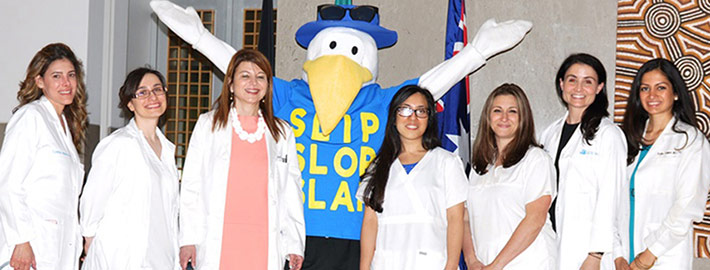
 Dr Skelsey and her team provided skin cancer screenings as well as gift bags with some of the latest and best sun screens, sun glasses and UV bracelets.

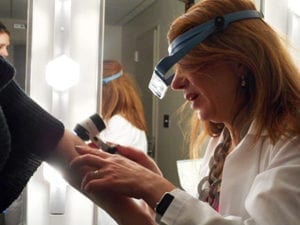 On Friday, May 6, 2016, The Washington Ballet took a proactive approach to keeping its performers healthy by offering skin cancer screenings. Dr. Skelsey, who is a member of The Washington Ballet Board of Directors, performed the highly recommended, annual full body skin cancer screening on the dancers and other members of the ballet company utilizing new, state of the art, non-invasive, diagnostic technology, DermTech®. A simple adhesive patch is used to detect the presence of cancer in suspicious lesions.


 The results of the annual Top Doctors survey conducted by Washingtonian magazine are out. The survey polled 12,000 primary care physicians in the District, Maryland and Virginia. They were asked who they would most trust to provide care for their patients in 40 different areas of specialization. Once again this year, Dr. Skelsey took top honors in the greater Washington, DC area for dermatology repeating her 2014 Top Doctor designation in the survey. Dr. Skelsey’s medical colleagues repeatedly recognize her as outstanding in her field due in part to her advanced training as a Mohs surgeon and skin cancer specialist.


