Bemotrizinol: A New Sunscreen Ingredient That Helps Protect Your Skin

By Kyleen Davis, FNP

For the first time in more than 25 years, the United States has approved a new sunscreen filter called bemotrizinol. People in Europe, Canada, Australia, and many Asian countries have used it safely for years, and now it is finally available here. This is exciting because it gives families another strong option for protecting their skin.

What makes bemotrizinol special?

Bemotrizinol protects your skin from both UVA and UVB rays:
  • UVB rays cause sunburn and play a big role in skin cancer.
  • UVA rays go deeper into the skin and can cause wrinkles, dark spots, and early aging.

Most sunscreens in the U.S. use several ingredients to cover both types of rays. Bemotrizinol can do this on its own, which means sunscreen makers can create products that work better with fewer ingredients.

Safe and gentle on skin:

Another benefit is how it behaves on the skin. Bemotrizinol is a large, heavy molecule, which means it stays on the surface of your skin instead of being absorbed into your body. Studies show that it stays in the outer layer of skin and has very low absorption, which supports its strong safety profile. It is approved for adults and for children as young as six months.

Feels better on the skin:

Many people dislike sunscreens because they feel sticky or leave a white film. Bemotrizinol is different:

  • It goes on clear
  • It blends easily
  • It doesn’t leave a chalky look
  • It works well in lightweight, comfortable formulas

When sunscreen feels better, people are more likely to use it every day, which is key for preventing skin cancer.

Stays strong in the sun:

Some sunscreen ingredients break down after being in sunlight for a while. Bemotrizinol is highly stable, meaning it keeps working even after hours outside. It can also help other sunscreen ingredients stay effective longer.

Why are new sunscreen ingredients important?

Skin cancer is the most common cancer in the United States. Millions of people are treated every year, and melanoma cases continue to rise. Using sunscreen daily is one of the easiest ways to lower your risk.

Having a new ingredient that is safe, strong, and pleasant to use gives patients more choices — especially for people who have struggled to find a sunscreen they like.

When will you see bemotrizinol in stores?

Products containing bemotrizinol may appear by the end of 2026. Some may be labeled under the name “Parsol Shield”. You’ll likely see it in lotions, creams, and facial sunscreens.

Tips for choosing a sunscreen
  • Look for “broad spectrum” on the label
  • Choose SPF 30 or higher
  • Reapply every two hours when outdoors
  • Use enough: most adults need about a shot‑glass amount for full body coverage
The bottom line

Bemotrizinol is a welcome addition to U.S. sunscreens. It offers strong protection, low absorption, and a clear, comfortable feel on the skin. As more products become available, patients will have better options to help keep their skin healthy for years to come.


References

American Academy of Dermatology (N.D.). Skin Cancer. Available online at: https://www.aad.org/media/stats-skin-cancer.

AIM at Melanoma (June 2026). The FDA just approved a new sunscreen ingredient: what it means for patients with skin cancer, survivors, and the general public. Available online at: https://aimatskincancer.org/living-with-skin-cancer/the-fda-just-approved-a-new-sunscreen-ingredient-what-it-means-for-patients-with-skin-cancer-survivors-and-the-general-public/.

AIM at Melanoma (N.D.) What is Sunscreen? Available online at: https://www.aimatmelanoma.org/melanoma-101/prevention/sunscreen/.

Centers for Disease Control (April 2026). Melanoma of the skin statistics. Available online at: https://www.cdc.gov/skincancer/statistics/index.html?copilot_analytics_metadata=eyJldmVudEluZm9fY2xpY2tEZXN0aW5hdGlvbiI6Imh0dHBzOlwvXC93d3cuY2RjLmdvdlwvc2tpbi1jYW5jZXJcL3N0YXRpc3RpY3NcL2luZGV4Lmh0bWwiLCJldmVudEluZm9fY2xpY2tTb3VyY2UiOiJjaXRhdGlvbkxpbmsiLCJldmVudEluZm9fY29udmVyc2F0aW9uSWQiOiI3ZEpXSmFwQWQ3M1pwcHVobWVLS3oiLCJldmVudEluZm9fbWVzc2FnZUlkIjoiS0dSOTFNWGtpV0t3aGpKNXFEWVJoIn0%3D&utm_source=copilot.com.

DSM-Firmenich (2024). DSM-Firmenich receives FDA-approval for Parsol Shield (bemotrizinol) (Press release). Available online at: https://our-company.dsm-firmenich.com/en/our-company/news/press-releases/2026/dsm-firmenich-receives-fda-approval-on-parsol-shield.html.

Rigel, D. & Bosslett, M. (June 2026). What dermatologists need to know about the first new sunscreen ingredient in decades. Dermatology Times. Available online at: https://www.dermatologytimes.com/view/what-dermatologists-need-to-know-about-the-first-new-sunscreen-ingredient-in-decades.

Ruiz, C., Plautz, J., Schuetz, R., Sanabria, C., Hammonds, J. Erata, C., Klock, J., Vollhardt, J., & Mesaros, S. (2023). Preliminary clinical pharmacokinetic evaluation of bemotrizinol-a new sunscreen active ingredient being considered for inclusion under FDA’s over-the-counter (OTC) sunscreen monograph. Regulatory Toxicology and Pharmacology, 139, 105344.

U.S. Food and Drug Administration (June 2026). FDA expands sunscreen options for the first time in 20 years. Available online at: https://www.fda.gov/news-events/press-announcements/fda-expands-sunscreen-options-first-time-20-years.

World Health Organization (N.D.) Skin cancer. Available online at: https://www.iarc.who.int/cancer-type/skin-cancer/.

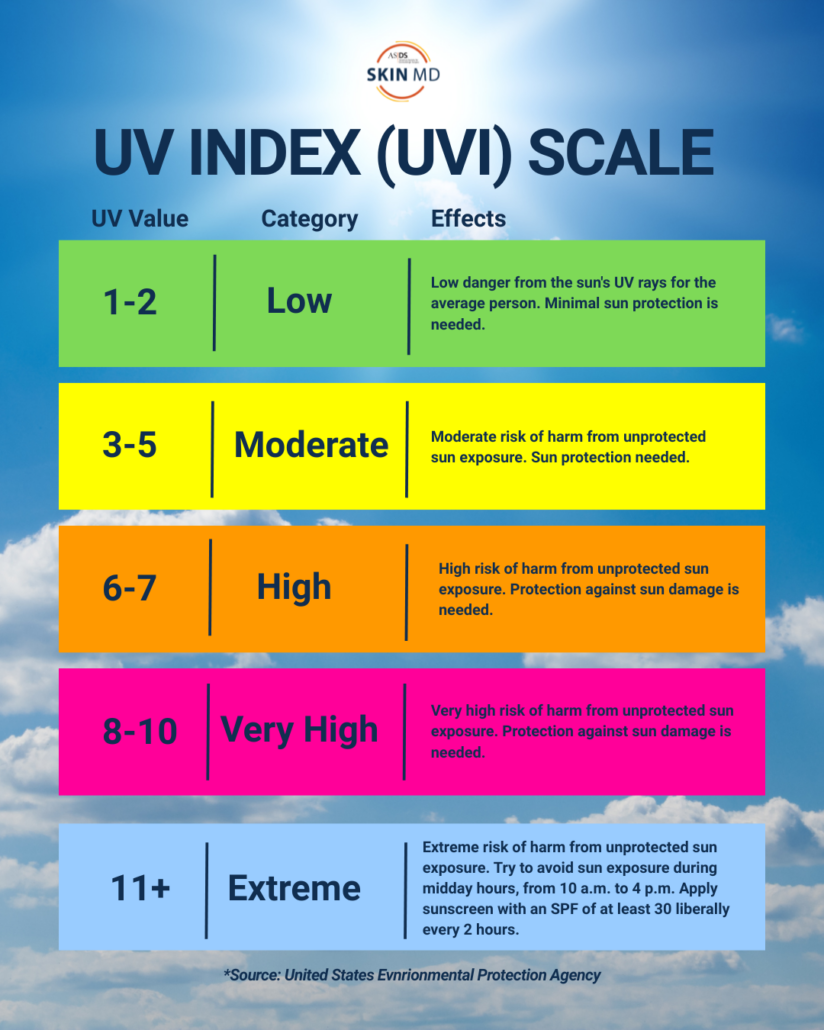
UV Awareness Month: How Understanding the UV Index Can Help Prevent Skin Cancer

UV Awareness Month (July) is an important reminder that protecting your skin is about more than avoiding a painful sunburn; it’s about reducing your risk of skin cancer.

Skin cancer is the most common type of cancer, and exposure to ultraviolet (UV) radiation from the sun is one of the leading risk factors. The good news is that many cases can be prevented through simple sun safety habits and by paying attention to the daily UV Index.

Summer Fun and Hidden UV Risks

Summer is a time for outdoor activities, family gatherings, and making memories. Whether you’re spending the afternoon at a baseball game, playing a game of tennis, taking the kids to the park, relaxing at the beach, attending a backyard barbecue, or enjoying a hike with friends, chances are you’ll be spending more time in the sun.

What many people don’t realize is that UV exposure can add up quickly during these activities. Sitting in the stands at a baseball game for several hours, walking around a local festival, or spending the day at the beach can expose your skin to significant amounts of UV radiation—even if the weather feels mild or the sky is partly cloudy.

That’s why it’s important to make sun protection part of your routine whenever you’re outdoors.

The Connection Between UV Rays and Skin Cancer

Ultraviolet (UV) rays are invisible rays that come from the sun. While a little sun exposure is a normal part of life, too much UV radiation can damage the DNA in skin cells. Over time, this damage can accumulate and increase the risk of developing skin cancer.

Even if you don’t burn easily, UV exposure can still cause long-term skin damage. That’s why sun protection is important for people of all skin tones and ages.

Why Sunburn Matters

A sunburn is more than a temporary inconvenience. It is a sign that UV radiation has damaged your skin.

Research has shown that repeated sunburns, especially during childhood and adolescence, can significantly increase the risk of developing skin cancer later in life. Preventing sunburns today can help protect your long-term health.

What Is the UV Index?

The UV Index is a tool that measures the strength of the sun’s UV radiation at a specific location and time. Think of it as a forecast that tells you how quickly UV rays could damage your skin.

Before heading out to a baseball game, a picnic in the park, or a day at the beach, checking the UV Index can help you determine how much protection you’ll need.

The higher the UV Index number, the greater your risk of skin damage and the more important it becomes to take protective measures.

Understanding the UV Index

Many people assume they only need sun protection on hot summer days, but UV levels can be high even when temperatures are mild or skies are cloudy. That’s why checking the UV Index is one of the simplest ways to make informed decisions about protecting your skin.

How to Check the UV Index in Your Area

Checking the UV Index takes just a few seconds and can help you make informed decisions before heading outdoors. The U.S. Environmental Protection Agency (EPA) provides a free UV Index search tool and downloadable app that allows you to view current and forecasted UV levels based on your ZIP code or location.

Visit the EPA’s UV Index page at EPA UV Index Search Tool to check the UV forecast for your area. If the UV Index is 3 or higher, the EPA recommends taking precautions such as applying sunscreen, wearing protective clothing, seeking shade, and limiting prolonged sun exposure during peak daylight hours.

Don’t Skip Your Annual Skin Check

While sunscreen, protective clothing, and checking the UV Index are all important ways to reduce your risk of skin cancer, regular skin examinations by a board-certified dermatologist are another essential part of protecting your skin health.

Skin cancer is highly treatable when detected early, which is why professional skin checks are so important. During a full-body skin exam, a board-certified dermatologist can identify suspicious moles, spots, or lesions that may be difficult for you to notice on your own.

In addition to scheduling routine skin exams, it’s important to become familiar with your skin and monitor for any changes between visits. Contact your dermatologist if you notice:

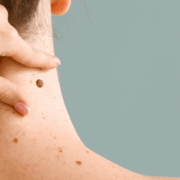
  • A new mole or growth
  • A spot that changes in size, shape, or color
  • A sore that doesn’t heal
  • A lesion that bleeds, crusts, or itches
  • Any spot that looks different from others on your skin

Simple Ways to Reduce Your Risk

Check the UV Index Daily

Making a habit of checking the UV Index can help you know when extra precautions are needed. A high UV Index means your skin can be damaged more quickly, even if the weather feels comfortable. The U.S. Environmental Protection Agency (EPA) provides a free UV Index search tool and downloadable app that allows you to view current and forecasted UV levels based on your ZIP code or location.

Use Broad-Spectrum Sunscreen

Apply a broad-spectrum sunscreen with SPF 30 or higher before attending outdoor events, heading to the beach, or spending an afternoon at the park. Reapply every two hours and after swimming or excessive sweating.

Exciting Sunscreen News!

In June 2026, the Food and Drug Administration (FDA) approved bemotrizinol, a broad-spectrum sunscreen ingredient that protects against both UVA and UVB rays. Used widely in Europe, Asia, and Australia, dermatologists and sunscreen experts have been anticipating this decision for years.

UVB rays are primarily responsible for sunburn, while UVA rays penetrate deeper into the skin and contribute to premature aging, hyperpigmentation, and an increased risk of skin cancer. Effective protection against both types of ultraviolet radiation is essential for comprehensive sun safety.

Although the approval itself is exciting, manufacturers will need time to incorporate the ingredient into new formulations and bring products to market.

While we wait for bemotrizinol products, AIM at Skin Cancer Foundation recommends:

    • Continue using your current broad-spectrum SPF 30 or higher sunscreen daily—existing products remain effective and are your best line of defense right now
    • Reapply every two hours when outdoors, and immediately after swimming or sweating
    • Don’t rely on sunscreen alone—wearing protective clothing, wide-brimmed hats, and UV-blocking sunglasses, and seeking shade during peak UV hours (10am–4pm) remain critical
    • Talk to your dermatologist about your personal sun protection plan, especially if you are a melanoma survivor or have elevated risk factors
    • Perform regular skin self-exams and keep up with your scheduled dermatology appointments

Seek Shade During Peak UV Hours

UV rays are typically strongest between 10 a.m. and 4 p.m. If you’re watching a baseball game or attending an outdoor event during these hours, look for shaded seating areas whenever possible.

Wear Protective Clothing

Long-sleeved shirts, wide-brimmed hats, and UV-blocking sunglasses provide an additional layer of protection against harmful rays.

Protect Your Skin for Life

UV Awareness Month is an opportunity to build healthy habits that last all year. A few moments spent checking the UV Index, applying sunscreen, and scheduling regular skin exams with a board-certified dermatologist can make a meaningful difference in protecting your skin and reducing your risk of skin cancer for years to come and support lifelong skin health.


Sources

  1. National Cancer Institute. Skin Cancer Prevention (PDQ®). https://www.cancer.gov/types/skin/patient/skin-prevention-pdq
  2. National Cancer Institute. Ultraviolet Radiation and Cancer. https://www.cancer.gov/about-cancer/causes-prevention/risk/radiation/ultraviolet-fact-sheet
  3. Centers for Disease Control and Prevention. Skin Cancer Prevention and Sun Safety. https://www.cdc.gov/skin-cancer
  4. U.S. Environmental Protection Agency. Learn About the UV Index. https://www.epa.gov/sunsafety/learn-about-uv-index
  5. American Academy of Dermatology. Sunscreen and Sun Protection Resources. https://www.aad.org/public/everyday-care/sun-protection
  6. Skin Cancer Foundation. Prevention and Early Detection Resources. https://www.skincancer.org/
  7. Melanoma Research Alliance: What is the UV Index? Measurement For UV Radiation

https://www.curemelanoma.org/about-melanoma/prevention/uv-index


Skin Cancer Myths

By Caroline Glick, PA-C, MPH


In the United States, skin cancer is the most common type of cancer. One in five Americans will develop skin cancer in their lifetime. Despite such high numbers of skin cancer diagnoses, there are many myths pertaining to skin cancer and sun protection. In this post, I will debunk some of these common myths.

Common Skin Cancer Myths

MYTH:  Skin cancer always looks like a dark spot.

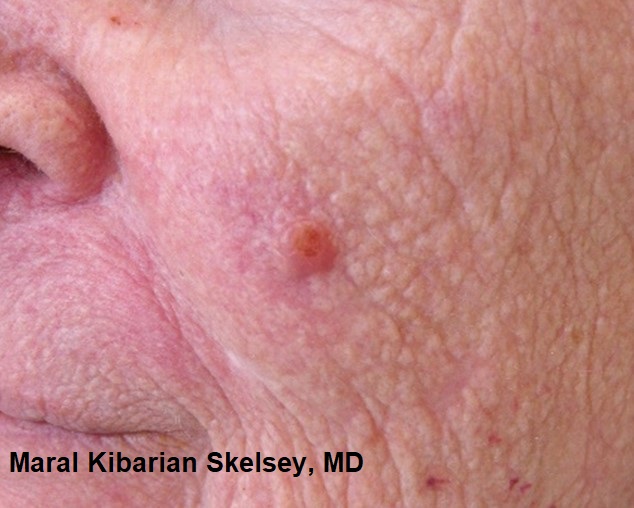
FACT: Skin cancer can have many different appearances. Skin cancer can sometimes look like a pink patch of skin, a pearl-like bump, a scaly patch, a bleeding bump, or a sore that will not heal. Sometimes, skin cancer can also be a dark, raised, or irregular spot. If you notice any of these changes on your skin, please make an appointment to see us.

MYTH: Melanoma is the only type of skin cancer.

FACT: There are multiple types of skin cancers. The most prevalent types of skin cancers are basal cell carcinoma, squamous cell carcinoma, and melanoma. Basal cell carcinoma is the most common type of skin cancer. Melanoma is the most serious type of skin cancer. In the United States, it is estimated that melanoma will cause more than 8,400 deaths in 2025.

MYTH: Skin cancer is not treatable.

FACT: If caught early, most skin cancers can be highly curable. In fact, patients diagnosed with melanoma who are treated before the melanoma spreads to the lymph nodes have a five-year survival rate of 99%. Regular skin checks at a dermatology practice are important for early detection and treatment of skin cancers.

MYTH: Skin cancer can only occur on sun-exposed areas.

FACT: Skin cancer can occur anywhere on the skin. It can occur under the nails, on the palms of the hands, on the soles of the feet, and on the genitalia. However, the most common areas where skin cancer can develop are on sun-exposed locations, including the scalp, face, ears, neck, chest, arms, and legs.

MYTH: Skin cancer only occurs in older people.

FACT: Among adolescents and young adults aged 15-29 years old, melanoma is the second most commonly diagnosed cancer. Men aged 49 years old and under are more likely to develop melanoma than any other cancer, except for colon and rectal cancers. Women aged 49 years old and under have a higher probability of developing melanoma than any other type of cancer, except breast and thyroid cancers. It is important to have regular skin examinations at a dermatology practice so skin cancers can be detected and treated early.

MYTH: Make-up provides adequate sun protection.

FACT: Some make-up does contain sunscreen, but make-up usually does not provide enough protection from the harmful Ultraviolet (UV) rays of the sun. Sunscreens should be broad-spectrum with coverage against both UV-A and UV-B and at least SPF 30. Sunscreen also needs to be applied multiple times a day for it to be effective. In fact, sunscreen should be applied every two hours, even if the sunscreen is a high SPF.

MYTH: Sunscreens never expire.

FACT: According to the Food and Drug Administration (FDA), sunscreens lose their efficacy and are not as strong after three years. Please always check the bottle for the expiration date and replace sunscreens as needed.

MYTH: It is only necessary to wear sunscreen on sunny, hot days at the beach.

FACT: Sunscreen should be worn every day, even on cloudy and cold winter days.

Clouds can reduce UV rays by only 50%. The remaining UV can still cause sun damage to the skin. And remember to apply sunscreen when at high altitudes, for example, when hiking or skiing. UV increases by 6% for every 1000 feet of elevation gain. When skiing, snow reflects UV rays.

MYTH: Tanning beds are safer than tanning at the beach.

FACT: There is no such thing as safe tanning, whether it is at the beach or a tanning salon. Using a tanning bed before the age of 35 can increase the risk of melanoma by 75%. Also, getting a base tan does not prevent sunburn. All tanning causes DNA damage in the skin, which increases the risk of getting skin cancer.


These myths are just some of the misconceptions about skin cancer. With summer right around the corner and more time spent outdoors, it is important to remember that early detection is key to treating skin cancer. If you notice any changes on your skin that do not resolve within six weeks, please make an appointment with one of the providers at the Dermatologic Surgery Center of Washington. Have a wonderful summer and remember your hats and sunscreen!


Resources

10 Skin Cancer Myths Debunked. University of Texas MD Anderson Cancer Center.  Accessed April 14, 2025. Retrieved from https://www.mdanderson.org/publications/focused-on-health/10-skin-cancer-myths-debunked.h14-1592991.html.

10 Surprising Facts About Indoor Tanning. American Academy of Dermatology. April 26, 2023.  Accessed April 14, 2025. Retrieved from https://www.aad.org/public/diseases/skin-cancer/surprising-facts-about-indoor-tanning.

May is Skin Cancer Awareness Month. American Academy of Dermatology. April 13, 2024. Accessed April 14, 2025. Retrieved from https://www.aad.org/public/public-health/awareness-campaigns/skin-cancer-awareness-month.

Skin Cancer Facts and Statistics. Skin Cancer Foundation. February 2024. Accessed April 16, 2025. Retrieved from https://www.skincancer.org/skin-cancer-information/skin-cancer-facts/.

Skin Cancer. American Academy of Dermatology. February 25, 2025.  Accessed April 14, 2025. Retrieved from https://www.aad.org/media/stats-skin-cancer.

The Most Common Misconceptions About Skin Cancer.  American Society for Mohs Surgery. February 15, 2024. Accessed April 14, 2025. Retrieved from https://www.mohssurgery.org/blog/skin-cancer/the-most-common-misconceptions-about-skin-cancer/

Top 5 Myths About Sunscreens.  Mayo Clinic. May 26, 2023. Accessed April 14, 2025. Retrieved from https://www.mayoclinichealthsystem.org/hometown-health/speaking-of-health/myth-or-fact-coconut-is-an-effective-sunscreen

Weir, H. K., Marrett, L. D., Cokkinides, V., Barnholtz-Sloan, J., Patel, P., Tai, E., Jemal, A., Li, J., Kim, J., & Ekwueme, D. U. (2011). Melanoma in adolescents and young adults (ages 15-39 years): United States, 1999-2006. Journal of the American Academy of Dermatology, 65(5 Suppl 1), S38–S49. https://doi.org/10.1016/j.jaad.2011.04.038


Global Skin Cancer Awareness Month

By Joan Pohutsky, DNP

It’s springtime in the District and the city is coming alive again! Residents are bidding farewell to the cold winter and welcoming the rejuvenating spring season. With this transition comes the month of May, synonymous with blossoming flowers. In the medical community, May also holds a more significant meaning as Skin Cancer Awareness Month.

Spring symbolizes renewal, growth, and the ability to rejuvenate and heal -similar to the natural abilities of human skin. Much like blossoming flowers, human skin cells divide and grow to shield us from external factors. When this growth goes awry, this can lead to conditions like skin cancer.

The Science Behind Your Suntan

As we venture outdoors more often to enjoy the beauty of spring, you might be tempted to work on a suntan. Before you do, however, let’s define what a suntan really is: an injury to the skin in response to two types of ultraviolet radiation (UV). Both types of ultraviolet rays damage the skin and can lead to skin cancer.

  • UV-A rays penetrate deeper into the skin to accelerate signs of skin aging such as wrinkles, sunspots, and leathery skin.
  • UV-B rays are responsible for sunburn. When skin is exposed to UVB rays, the outermost layer (the epidermis) thickens and produces excess melanin, causing the skin to darken in an attempt to prevent further damage to the vulnerable layers below.

Tanning Myths

There are several myths that should be dispelled about tanning:

  1. Tanning is NOT healthy.
  2. Tanning does NOT prevent sunburn.
  3. Tanning does NOT decrease the risk of skin cancer.

What’s the truth about tanning?

  1. Tanning DOES cause skin cancer.
  2. Tanning DOES increase wrinkles, dark spots, and other signs of aging.
  3. Tanning is a sign of injury to the skin and there is NO benefit to a “base tan.”

Supplements and Skin Health

Besides reducing your sun exposure by wearing sunscreen, seeking shade, and covering up, what else can you do to help prevent skin cancer?

Emerging research suggests certain nutrients may play a pivotal role in reducing risks of developing skin malignancies.

  • Nicotinamide (Vitamin B3): supplementation is associated with an overall lower rate of new nonmelanoma skin cancers and actinic keratoses (pre-skin cancers). Notably, a new study recently found that higher doses of similarly structured niacin can increase overall cardiovascular risks including irregular heartbeat and vascular inflammation. As holds true to considering any new medication or supplementation, we recommend that you consult with your primary care physician prior to beginning to use.
  • Antioxidants (Vitamins A, C, & E, plus selenium, polyphenols, lycopene, beta-carotene): prevent and slow damage to cells caused by free radicals, thus neutralizing effects of UV radiation (found in fruits and vegetables). Polypodium Leucotomus is one such antioxidant derived from a fern and plays a role in reducing inflammation and DNA damage in skin cells, thus reducing the risk of skin cancer and photoaging. Polypodium Leucotomus is the active ingredient in Heliocare supplementation.
  • Vitamin D: plays a role in controlling abnormal multiplication of skin cells (found in fortified dairy products, fatty fish, and supplements). While the sun is a natural source of vitamin D, it is safer and more reliable to obtain this from diet and supplementation due to prolonged sun exposure increasing cancer risk.

Nutrients and supplements can influence the overall health, aging, and appearance of our skin.

  • Omega 3 supplementation (fish, nuts, seeds, and vegetables): strengthens skin membranes to prevent moisture loss, has anti-inflammatory properties to reduce redness and swelling, and can aid in the healing process when skin is damaged.
  • Zinc (found in meat, fish, and seafood): acts as a physical barrier to reflect UV rays and decreases inflammation, thus playing a role in wound healing and skin integrity.
  • Metformin: a drug classically utilized for patients with type 2 diabetes, has antiaging properties including decreasing chronic inflammation and oxidative stress. There are observational studies to suggest that long-term use can be associated with reduced skin cancer risk.

A healthy diet and lifestyle contribute to skin health, but sun protection remains the cornerstone of skin cancer prevention. This includes applying broad spectrum sunscreens SPF 30 or higher and reapplying every two hours, seeking shade during peak sunlight hours, and wearing ultraviolet protection factor (UPF) rated sun clothing as well as wide-brimmed hats and sunglasses. Check your skin for new, changing, or suspicious lesions, and enjoy everything spring has to offer!


Sources

Chen A, Martin A, Choy B, et al. A Phase 3 Randomized Trial of Nicotinamide for Skin-Cancer Chemoprevention, 2015; New England Journal of Medicine; N Engl J Med 2015;373:1618-1626; DOI: 10.1056/NEJMoa1506197

Cruz RYMS, Arévalo SV, Rashid A, Jara MRA, Prado MSA. Antioxidant and photoprotective potential of Polypodium leucotomos. Explor Med. 2022;3:607–16. https://doi.org/10.37349/emed.2022.00117

Dong Y, Wei J, Yang F, Qu Y, Huang J, Shi D. Nutrient-Based Approaches for Melanoma: Prevention and Therapeutic Insights. Nutrients. 2023; 15(20):4483. https://doi.org/10.3390/nu15204483

El Mansouri M, Essaddouki S, Mouradi M, et al. Evaluation of the effectiveness and safety of combined oral and topical photoprotection with a standardized extract of Polypodium leucotomos (Fernblock®). Photodermatol Photoimmunol Photomed. 2023; 39: 607–612. doi:10.1111/phpp.12904

Ferrell, M., Wang, Z., Anderson, J.T. et al. A terminal metabolite of niacin promotes vascular inflammation and contributes to cardiovascular disease risk. Nat Med 30, 424–434 (2024). https://doi.org/10.1038/s41591-023-02793-8

Michalak M, Pierzak M, Kręcisz B, Suliga E. Bioactive Compounds for Skin Health: A Review. Nutrients. 2021; 13(1):203. https://doi.org/10.3390/nu13010203

Sahdeo Prasad, Subash C. Gupta, Amit K. Tyagi, Reactive oxygen species (ROS) and cancer: Role of antioxidative nutraceuticals, Cancer Letters, Volume 387, 2017, Pages 95-105,

ISSN 0304-3835, https://doi.org/10.1016/j.canlet.2016.03.042. https://www.sciencedirect.com/science/article/pii/S0304383516302026

Sami Raza, Firas Al-Niaimi, Faisal R Ali, A systematic review of the uses of metformin in dermatology, Clinical and Experimental Dermatology, Volume 48, Issue 2, February 2023, Pages 73–79, https://doi.org/10.1093/ced/llac027

How to Prevent Skin Cancer.  American Academy of Dermatology (2024). Retrieved from

https://www.aad.org/public/diseases/skin-cancer/prevent/how

The Cancer that Killed Jimmy Buffett

jimmy-buffet-cancer

By Laura Monoghan, PA-C

Jimmy Buffett, the songwriter known for “Margaritaville,” “Cheeseburger in Paradise,” along with many others, recently died after a 4-year battle with Merkel Cell Carcinoma (MCC). His untimely death has increased awareness of this rare but aggressive form of skin cancer, whose origins are the Merkel cell, a sensory receptor cell in the top layer of the skin.

Who is at risk for Merkel Cell Carcinoma?

According to the American Cancer Society, approximately 90% of cases occur in people over age 50, and incidence increases with age. It is slightly more common in men (60%), and significantly more common in Caucasians (95%). Interestingly, 80% of cases in North America are associated with a virus, the Merkel Cell Polyomavirus. This virus is very common and often cleared by a healthy immune system. However, several factors can increase the risk of developing MCC, including:

  • Immunosuppression (including organ transplantation, chronic lymphocytic leukemia, HIV infection)
  • Increased sun exposure
  • PUVA therapy

merkel cell carcinomaWhat does this skin cancer look like?
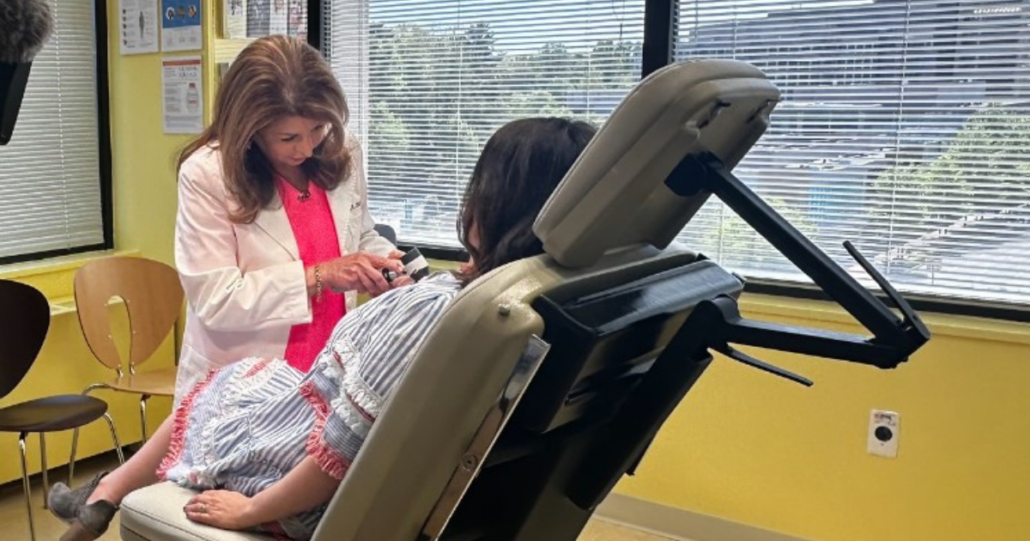
MCC commonly presents as a fast-growing, painless red to purple nodule on sun-exposed skin. However, it can also present as a metastatic disease without evidence of a primary nodule. The most likely spots are on the head or neck. The area can grow quickly and is usually painless. Although more common in fair-skinned individuals, Black patients may also develop these tumors and they may occur on the legs. They may be mistaken for a cyst, insect bite, or pimple.

How is it diagnosed?

MCC is typically diagnosed by a biopsy. This involves numbing the skin and taking a small sample of tissue to send to the lab for testing. Imaging such as a CT, MRI, or PET scan, as well as a lymph node biopsy, may be ordered to look for evidence of metastasis.

How is it treated?

The primary nodule is typically removed surgically, followed by radiation therapy. Also utilized for some patients is immunotherapy, which helps boost the immune system’s defense against the cancer, and chemotherapy which limits the spread of cancer cells.

How to prevent Merkel Cell Carcinoma

  • Use sunscreen of at least SPF 30 every day, re-apply every 2 hours, and after swimming or perspiring
  • Wear a wide-brimmed hat, sunglasses, and sun-protective clothing with UPF of 50
  • Limit outdoor activities or seek shade between 10 am and 4 pm
  • Look for changes in your skin

If you have any concerns or notice any changes in your skin that persist for more than 6 weeks, make an appointment to be examined.


Sources:

Bolognia, Jean, L. et al. Dermatology. Available from: Elsevier eBooks+, (4th Edition). Elsevier – OHCE, 2017.

James, William, D. et al. Andrews’ Diseases of the Skin. Available from: Elsevier eBooks+, (13th Edition). Elsevier – OHCE, 2019.

The American Cancer Society medical and editorial content team. (n.d.). Key statistics for Merkel cell carcinoma. American Cancer Society. https://www.cancer.org/cancer/types/merkel-cell-skin-cancer/about/key-statistics.html

Melanoma and Skin Cancer Awareness Month

by Laura Monaghan, PA-C


May brings warm weather, prom season, and spending time poolside. In the world of dermatology, May also brings Melanoma and Skin Cancer Awareness Month. Skin cancer is the most common cancer in the United States, and melanoma is the second most common form of cancer in females ages 15-29. Melanoma rates have doubled from 1982 to 2011, and on average one American dies of melanoma every hour. So, what exactly is melanoma? And what can you do about it?


What is Melanoma?

Melanoma is a form of cancer that originates in melanocytes, the cells that produce skin pigment. Damage to the cell’s DNA allows the melanocytes to grow uncontrollably. This can present as a changed mole, a new dark spot, or even a pink nodule on the skin. There are multiple factors that can increase your risk of developing melanoma, which includes:

  • Family history of melanoma 
  • Tanning bed use
  • Sun exposure 
  • Increased age 
  • More than 50 moles, large moles, or atypical moles 
  • Fair skin and light hair/eye color 
  • Personal history of melanoma or other skin cancer 
  • Personal history of other cancers 

Base Tan

Despite the popular idea of getting a “base tan” to kickstart the summer, there is no such thing as a safe tan. In fact, according to the Skin Cancer Foundation, just one indoor tanning session before age 35 increases the risk of developing melanoma by 75%. The risk increases with every subsequent use.

How to prevent skin cancer

Prevention and early detection are key goals of melanoma care. This includes avoiding the sun during the highest UV index hours (10AM-4PM) and wearing SPF 30+ sunscreen, sun-protective clothing and hats, and sunglasses. Routine full-body skin exams with your dermatologist and monitoring your skin at home are also recommended for early detection. Click here to learn what to signs to look for during your skin exam.

Check out this video of Dr. Skelsey and one of her melanoma patients.

​


Sources:

American Academy of Dermatology. (2018-2020). Key Messages.

Chien, A., & Jacobe, H. (2022, July). Tanning & Your Skin. The Skin Cancer Foundation. Retrieved May 7, 2023, from https://www.skincancer.org/risk-factors/tanning/#:~:text=Indoor%20Tanning%20Dangers&text=increased%20risk%20of%20developing%20life,a%20sign%20of%20skin%20damage.

Indoor tanning. American Academy of Dermatology. (2021, June 21). Retrieved from https://www.aad.org/media/stats-indoor-tanning#:~:text=Using%20tanning%20beds%20before%20age,risk%20increases%20with%20each%20use.&text=Women%20younger%20than%2030%20are,melanoma%20if%20they%20tan%20indoors

May is Skin Cancer Awareness Month

Sun and Skin Cancer Myths

Skin cancer is the most common of all types of cancer. Nearly one in five Americans will develop skin cancer in their lifetime. Melanoma, the deadliest form of skin cancer, causes nearly 20 Americans to die every day. As May is National Skin Cancer and Melanoma Awareness Month, it’s important to debunk some common skin cancer misconceptions.

Myth: Having a base tan will prevent sunburns.

  • UV exposure causes your skin to increase its melanin production, which leads to a darker skin tone. This process is a natural defense mechanism as a result of sun damage. There is no such thing as a healthy tan.

Myth: Indoor tanning is a safe alternative to UV exposure from the sun.

  • Tanning beds produce UVA and UVB light. UV exposure from any source can lead to skin damage, wrinkles, aging, and skin cancer.

Myth: Clouds will protect from the sun’s UV rays.

  • Up to 80% of the sun’s UV rays can penetrate through the cloud.

Myth: I need sun exposure to get vitamin D.

  • You can maintain adequate levels of this essential nutrient from supplements or  foods that are either naturally contain Vitamin D or are fortified with it.

Myth: The higher the SPF the better.

  • SPF protection doesn’t increase proportionately with the designated SPF number. SPF 30 absorbs 97% of the sun’s burning UV rays, while SPF 50 absorbs around 98% and SPF 100 absorbs 99%. A sunscreen with at least a SPF of 30 is recommended.

Fortunately, exposure to UV light is the most preventable risk factor for skin cancer. It’s important to seek shade, especially from 10 a.m. until 4 p.m., when the UV index is at its highest. Wearing a broad- spectrum (UVA and UVB coverage), water- resistant SPF of 30 or higher is recommended and should be reapplied every two hours and after swimming/sweating. Sun protective clothing, wide-brimmed hats and sunglasses with UV protection should also be worn when possible. Lastly, regular total body skin exams and exams using the ABCDE criteria (Asymmetry, Border, Color, Diameter, and Evolving) can result in early skin cancer detection. 

Get yourself checked today!

Sunburn, Skin Cancer and Supplements

sun Protection Supplements

Sunburn and Skin Cancer

Sunburn is inflammation of the skin caused by overexposure of ultraviolet (UV) light from the sun. Although sunburn often results in short term pain, redness, and dryness, the long term effects of sunburn can lead to serious consequences including skin cancer.

Non-melanoma skin cancer (NMSC) is considered to be the most common form of cancer in the United States and the incidence of NMSC is on the rise. The current methods available to protect against UV radiation include the use of hats and or protective clothing, sunscreens, avoidance of midday sun, and seeking shade. However, compliance with these methods is low due to the inconvenience of use, forgetting to reapply, desire to be tan, and protective clothing being too hot to wear. The introduction of an oral supplement as an adjunctive treatment for the protection against the harmful effects of UV exposure may provide a simple solution.

Oral Supplements as Sun Protection

Starr 050107-2831 Phlebodium aureum

Polypodium leucotomos extract and Nicotinamide (Vitamin B3) are two oral supplements that have proven to be effective photoprotective agents. Polypodium leucotomos extract is derived from a Central and South American fern plant.¹,² Studies have shown that it possesses properties ranging from antioxidant, anti-inflammatory, immunomodulatory and photoprotective.¹ In the U.S., it is currently marketed as an oral dietary supplement (Heliocare) with a recommended dose of one 240 mg capsule 30 minutes before sun exposure, followed by an additional 240 mg capsule 3 hours after prolonged sun exposure. It has proven to be well-absorbed, well-tolerated, with negligible risk of side effects, and no recognizable toxic effects.²

Nicotinamide’s photoprotective effects range from replenishing cellular energy after UV radiation, enhancing DNA repair, reducing UV-induced immune suppression, reducing number of actinic keratoses (precancerous lesions), and improving the skin barrier function. It’s recommended dosage is 500 mg two times per day. It has been found to be safe and well-tolerated even at high doses.3,4


Sources:

Choudhry SZ, Bhatia N, Ceilley R, et al. Role of oral Polypodium leucotomos extract in
dermatologic diseases: a review of the literature.J Drugs Dermatol. 2014;13(2):148-153.

Winkelmann RR, Del Rosso J, Rigel DS. Polypodium leucotomos extract: a status report on
clinical efficacy and safety. J Drugs Dermatol. 2015;14(3):254-261.

Damian DL. Nicotinamide for skin cancer chemoprevention. Australas J Dermatol.
2017;58(3):174-180.

Chen AC Martin AJ, Choy B, et al. A Phase 3 Randomized Trial of Nicotinamide
for Skin-Cancer Chemoprevention. N Engl J Med. 2015;373:1618-1626.

How to Properly Examine Skin for Signs of Cancer

Peace of Mind During Pandemic

May is Melanoma Awareness Month, and while you don’t need another thing to worry about these days, it’s important to learn about melanoma and understand its risks. Approximately 200,000 melanoma cases will be diagnosed in the U.S. in 2020 and it’s estimated that the number of new melanoma cases diagnosed will increase by almost 2 percent this year. Men age 49 and under have a higher chance of developing melanoma than any other cancer, and women age 49 and under are more likely to develop melanoma than any other cancer except breast and thyroid cancers.

The good news is that the vast number are curable, especially when diagnosed in the earliest stages. The estimated five-year survival rate for patients whose melanoma is detected early is about 99 percent.

How to Check Your Skin for Cancer

You can stop worrying about melanoma by taking a good look at your skin once a month. Look for anything new, changing or unusual on both sun-exposed and sun-protected areas of the body. Melanomas commonly appear on the legs of women, and the number one place they develop on men is the trunk. Keep in mind, though, that melanomas can arise anywhere on the skin, even in areas where the sun doesn’t shine, including the groin, genitalia, the bottom of your feet and in or around your nails.

What to Look for During Skin Screening

I recommend comparing a suspicious spot to surrounding moles to determine if it looks different from its neighbors. These “ugly ducklings,” or outlier lesions, can be larger, smaller, lighter or darker compared to surrounding moles. A solitary lesion without any surrounding moles for comparison are also considered ugly ducklings. About 20 to 30 percent of melanomas develop in existing moles, while 70 to 80 percent arise on seemingly normal skin.

Not every melanoma is dark or pigmented. Amelanotic melanomas are missing the dark pigment melanin that gives most moles their color. These melanomas may be pinkish, reddish, white, the color of your skin or even clear and colorless, making them difficult to spot.

Look out for any new moles or freckles that arise on your skin, a sore or spot that does not heal, a change in any existing mole (growing, swelling, itching) or any spot, mole or lesion that looks unusual.

You might find lots of things that suggest a lesion of concern, but another encouraging bit of information is that many lesions that meet these criteria are benign, and can be diagnosed while you are in the comfort of your own living room.

Non-invasive Biopsy from Home

Through telemedicine, I see many dark spots that are actually benign. Seborrheic keratoses, benign sun spots, and even ticks can look like melanoma. During this past month I am gratified to be able to reassure patients who are concerned about new lumps and bumps. Only on a few occasions have I determined that a spot needs further evaluation. What happens then? Does that mean you need to come into the office? Not necessarily.

DermTech PLATechnology has advanced to a degree that we can assess a pigmented mole through an innovative genomic test that can be done by you at home. The DermTech Pigmented Lesion Assay (PLA), which comes in a kit sent to a patient’s home, can determine if a mole is benign or if it has the genomic risk factors of melanoma and needs to be biopsied. The PLA has an adhesive patch that sticks to a mole like tape and is peeled off painlessly to collect skin cells. When administering the test, you draw a circle on the tape to highlight the location of the lesion (as seen in the picture). Skin cells that stick to the adhesive patch are analyzed in a specialized laboratory where the cells are examined for two genes that can indicate the presence of melanoma. This gene expression analysis enables DermTech to accurately distinguish between melanoma and non-melanoma.

With the PLA, there is a less than 1% chance of missing melanoma. It results in fewer unnecessary biopsies, and allows us to limit in-office visits. Plus, it’s painless and doesn’t leave a scar.

What’s the process?

Schedule a telehealth appointment by calling our office at (301) 652-8081 to discuss your skin cancer concerns. If it’s advised that you need to have any lesions further evaluated, we may suggest the DermTech PLA. A kit is sent to your home and we supervise the application of the adhesive sticker via a telehealth visit. Results are available in approximately one week, which means that peace of mind, a rare commodity these days, might just be a week away.

What do Eyes Have to do With It?

R-lower-eyelid-BCC-845x321

You might not think of an eye exam as part of your annual skin check visit to the dermatologist, but there are several serious conditions, including cancers of the eyelids, that can be easily missed without a thorough examination. Your annual skin check should include a visualization of the upper and lower eyelids for tumors, assessment of hair distribution along the lash line to check for alopecia, as well as evaluation of eye symptoms, such as eye irritation or a gritty sensation, which can be associated with skin conditions like rosacea.

If a suspicious skin growth is found on or near the eyelid region, a biopsy should be performed to determine the type of lesion present. The most common malignant growths of the eye area are basal cell carcinoma and squamous cell carcinoma. Other less common types of eyelid cancers are sebaceous carcinoma, Merkel cell carcinoma, and intraocular melanoma. Risk factors for eyelid skin cancers include fair skin (blue eyes and red or blonde hair), immunosuppression, and history of previous radiation to the face.

Types of eyelid skin cancers

Basal Cell Carcinoma (BCC): The eyelid skin is extremely vulnerable to damage from the sun’s ultraviolet rays, making non-melanoma skin cancers, like BCC, quite common. While BCCs rarely spread to the bloodstream, they can grow large and cause disfigurement and sometimes even loss of the eye; this necessitates prompt removal with Mohs surgery, which is sometimes performed in consultation with an oculoplastic surgeon. To prevent BCCs of the eyelids, I recommend that you wear UV blocking sunglasses and don a hat — the wider the brim the better. And of course, always wear sunscreen. Stick Sunscreens for sensitive skin are generally well-tolerated around the eyes.

Squamous Cell Carcinoma (SCC): SCCs make up a smaller portion of eyelid cancers, but have a slightly higher risk of metastasis than BCCs. Prevention and treatment of eyelid SCC is similar to BCC.

Melanoma: Intraocular melanoma is the most common type of cancer that can develop within the eye in adults, yet it is still very rare. It can be found in the back of the eye in the pigmented layer of the eyeball, known as the uvea. This area is not visible to eye doctors during a regular eye exam, therefore it is crucial for individuals with a personal or strong family history of melanoma to undergo yearly dilated eye exams with an ophthalmologist. It is unclear how intraocular melanoma develops, although there are individuals who are genetically predisposed. Anyone with light hair and eye color is at a higher risk of developing eye melanoma, as are welders — either through increased occupational ultraviolet radiation exposure or other environmental causes. Melanoma is a serious diagnosis due to its ability to spread to the bloodstream and other organs. Treatment of intraocular melanoma may include surgery, radiation, and chemotherapy.

Bottom line: Check your eyelids for new growths and protect your eyes from UV exposure. Your eyes are not impervious to skin cancer!


References

Bain, J. (September 25, 2018). Focus on Eyelid Skin Cancers: Early Detection and Treatment. The Skin Cancer Foundation. Available online at: https://www.skincancer.org/blog/eyelid-skin-cancers/

Katella, K. (July 24, 2018). For Eye Cancer, Exams are Crucial. Yale Medicine. Available online at: https://www.yalemedicine.org/stories/eye-cancer-prevention/

Mayo Clinic Staff (September 18, 2018). Eye Melanoma. Available online at: https://www.mayoclinic.org/diseases-conditions/eye-melanoma/diagnosis-treatment/drc-20372376.

© 2026 Dermatologic Surgery Center     |     Website Design: Everett Design