


Immunotherapy for Melanoma

Melanoma is by far the deadliest skin cancer but recent advances in cancer treatment have significantly improved the prognosis. More than one million Americans are living with melanoma. It is estimated that 91,270 invasive melanoma cases will be diagnosed in 2018, with invasive melanoma projected to become the fifth most common cancer in men and the sixth most common cancer in women in 2018.[1]
Melanoma is more likely than most cancers to spread to the brain, and once it gets there, fewer than 20 percent of patients survive within one year with traditional treatments.[2] However, newer options utilizing the body’s own immune system hold promise for helping patients with advanced-stage melanoma. You may have read about the recent Nobel Prize winner, Jim Allison from MD Anderson Cancer Center. His discoveries laid the ground-work for a life-saving new treatment for melanoma.
Immunotherapy works by harnessing the body’s own immune system to recognize and destroy cancer cells more effectively. Within our immune system, there are regulatory molecules called immune checkpoints, which work to keep the immune system in a balanced state (homeostasis). Tumors from cancers like melanoma take advantage of this regulatory mechanism to avoid being eliminated by the immune system. [3]
A specific group of immunotherapy drugs, called checkpoint inhibitors, work by inhibiting these immune checkpoints to release the brakes and unleash a much stronger immune response to the tumor. While these drugs do not help everyone, they have demonstrated excellent results thus far and are an important part of the initial treatment plan for patients with advanced melanoma.
[1] American Academy of Dermatology. Skin Cancer; Incidence Rates. Available online at: https://www.aad.org/media/stats/conditions/skin-cancer.
[2] Grady, Denise (Aug 22, 2018). Immunotherapy Drugs Slow Skin Cancer That Has Spread To The Brain. The New York Times; A16.
[3] Grady, Denise (Aug 22, 2018). Immunotherapy Drugs Slow Skin Cancer That Has Spread To The Brain. The New York Times; A16.



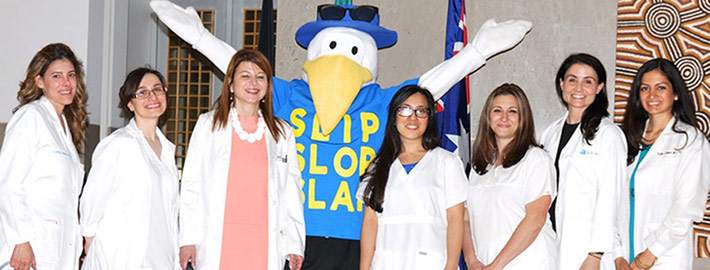
 Dr Skelsey and her team provided skin cancer screenings as well as gift bags with some of the latest and best sun screens, sun glasses and UV bracelets.
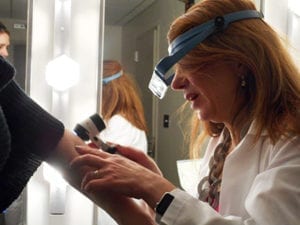 On Friday, May 6, 2016, The Washington Ballet took a proactive approach to keeping its performers healthy by offering skin cancer screenings. Dr. Skelsey, who is a member of The Washington Ballet Board of Directors, performed the highly recommended, annual full body skin cancer screening on the dancers and other members of the ballet company utilizing new, state of the art, non-invasive, diagnostic technology, DermTech®. A simple adhesive patch is used to detect the presence of cancer in suspicious lesions.




 The hair stylists of the Izzy Salon in Georgetown recently participated in a Skin Cancer Foundation skin cancer awareness program presented by Maral Kibarian Skelsey, MD, Washington, DC skin cancer specialist and MOHS surgeon. The ‘Heads Up’ program encourages dermatologists and beauty professionals to partner to help battle the US skin cancer epidemic.

