Mark posts with this category that you would like to have appear on the Blog page.

Excessive Sweating Cause and Treatments

Cause of Excessive Sweating

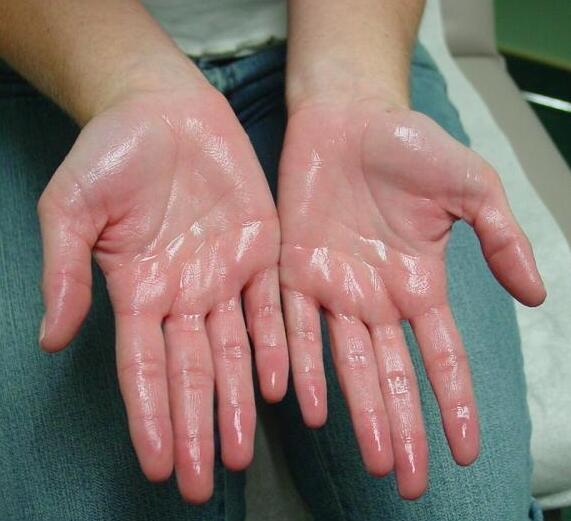
Do you avoid shaking hands because of excessive sweating? Do you need to change your shirt multiple times a day because of sweating? Sweating beyond the usual amount can interrupt both professional and social life. This excessive sweating is called Hyperhidrosis, a condition where the body’s mechanism for cooling itself (sweating) is overactive – so much so that a person could sweat four or five times more than necessary.2

Who is Affected by Hyperhidrosis?

Hyperhidrosis affects millions of people around the world, nearly 5% of the world’s population.2 This condition’s onset typically occurs between the ages of 14 and 25, although children can be affected as well. It can impact dating and career choices as well as patients’ mental and emotional health.3 Children may avoid school because other kids don’t want to hold their hands, papers and crayons become wet and hard to handle, or they may not be able to grip the climbing bars and bicycle handles.

A study was conducted to further understand the connection between mental health and hyperhidrosis. People with hyperhidrosis have a higher likelihood to have anxiety, depression, and attention deficit disorder, regardless of gender or age.1 “Of the 500 hyperhidrosis patients involved in the study, 13.8 percent had anxiety, 12.4 percent had depression and 6.4 percent had ADD — all rates higher than those reported in the general population. While the severity of patients’ hyperhidrosis and the body location involved didn’t impact the likelihood of having a mental health condition, there was a correlation with the number of body locations affected by hyperhidrosis.” 1 In a separate, international study, it was determined that “the prevalence of anxiety and depression was 21.3% and 27.2%, respectively, in patients with hyperhidrosis compared with 7.5% and 9.7% in those without the disease.”3

Constant sweating leads to physical and emotional discomfort for many patients, but we now have multiple effective treatment options for all ages. Addressing hyperhidrosis can significantly improve quality of life.

Check out this article to learn more about hyperhidrosis treatment options, and give us a call to book an appointment to discuss which treatment is best for you.


Sources:

American Academy of Dermatology. Research Suggests Connection Between Excessive Sweating and Mental Health Conditions. Newswise. 26-Feb-2019. https://www.newswise.com/articles/research-suggests-connection-between-excessive-sweating-and-mental-health-conditions. 1

Defining Hyperhidrosis. International Hyperhidrosis Society. https://www.sweathelp.org/home/defining-hyperhidrosis.html. 2

Lenefsky M, Rice ZP. Hyperhidrosis and Its Impact on Those Living With It. American Journal of Managed Care. 2018; 24:-S0. https://www.ajmc.com/view/hyperhidrosis-and-its-impact–on-those-living-with-it. 3

How to Identify Poison Ivy and Treatments

By, Caroline Glick, PA-C

The neighborhood pools are opening, the birds are singing, and the smell of grilling on the barbeque is in the air: summer is finally here! Most of us already know to apply sunscreen and bug spray to protect our skin before venturing outside. But it is also important to know what to do when summer fun is disrupted by uncomfortable rashes after contact with poison ivy.

How to identify poison ivy

Poison ivy is most common east of the Rocky Mountains, poison oak can be found west of the Rockies, and poison sumac tends to be located in the Southeast. Poison ivy and poison oak can be identified by three leaflets with flowering branches arising from one stem. Other plants that can cause a similar rash include the cashew nut tree and the mango tree.  This website has great photo examples to help you identify poison ivy.

Eastern Poison Ivy as Ground Cover – poison-vy.org

Poison ivy, poison oak, and poison sumac contain an oil called urushiol, which causes an itchy, sometimes blistering rash when it comes into contact with the skin. After the skin is exposed to urushiol, symptoms can occur within 12 to 48 hours.

Click here to see what the rashes look like.

Treating exposure to poison ivy, oak, and sumac

If a person has been exposed to a plant with urushiol, a mild soap can wash off a significant amount of urushiol. Clothing, and even our pets that might have urushiol on them, should also be washed. Pets usually do not have a reaction to poison ivy, but urushiol can be on their fur and then rub off on a person’s hands when petting them.

Calamine lotion, hydrocortisone cream, and cool, wet compresses can help with the discomfort and the itch of the rash. Mild rashes can be treated at home. Dermatologists and health care providers can also prescribe topical and oral medications to help. The rash will usually resolve within one to three weeks without treatment, or faster with treatment.


Sources:

American Academy of Dermatology. Poison Ivy, Oak, and Sumac: How to treat the rash. Retrieved 24 May 2023, from https://www.aad.org/public/everyday-care/itchy-skin/poison-ivy/treat-rash

Prock, L., & McGovern, T. (2022, February). Poison Ivy (Toxicodendron) dermatitis. UptoDate. https://www.uptodate.com/contents/poison-ivy-toxicodendron-dermatitis?search=poison%20ivy&source=search_result&selectedTitle=1~57&usage_type=default&display_rank=1

Melanoma and Skin Cancer Awareness Month

by Laura Monaghan, PA-C


May brings warm weather, prom season, and spending time poolside. In the world of dermatology, May also brings Melanoma and Skin Cancer Awareness Month. Skin cancer is the most common cancer in the United States, and melanoma is the second most common form of cancer in females ages 15-29. Melanoma rates have doubled from 1982 to 2011, and on average one American dies of melanoma every hour. So, what exactly is melanoma? And what can you do about it?


What is Melanoma?

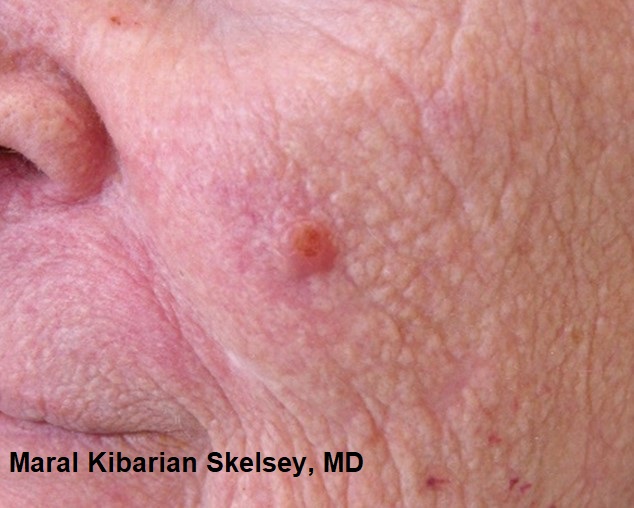
Melanoma is a form of cancer that originates in melanocytes, the cells that produce skin pigment. Damage to the cell’s DNA allows the melanocytes to grow uncontrollably. This can present as a changed mole, a new dark spot, or even a pink nodule on the skin. There are multiple factors that can increase your risk of developing melanoma, which includes:

  • Family history of melanoma 
  • Tanning bed use
  • Sun exposure 
  • Increased age 
  • More than 50 moles, large moles, or atypical moles 
  • Fair skin and light hair/eye color 
  • Personal history of melanoma or other skin cancer 
  • Personal history of other cancers 

Base Tan

Despite the popular idea of getting a “base tan” to kickstart the summer, there is no such thing as a safe tan. In fact, according to the Skin Cancer Foundation, just one indoor tanning session before age 35 increases the risk of developing melanoma by 75%. The risk increases with every subsequent use.

How to prevent skin cancer

Prevention and early detection are key goals of melanoma care. This includes avoiding the sun during the highest UV index hours (10AM-4PM) and wearing SPF 30+ sunscreen, sun-protective clothing and hats, and sunglasses. Routine full-body skin exams with your dermatologist and monitoring your skin at home are also recommended for early detection. Click here to learn what to signs to look for during your skin exam.

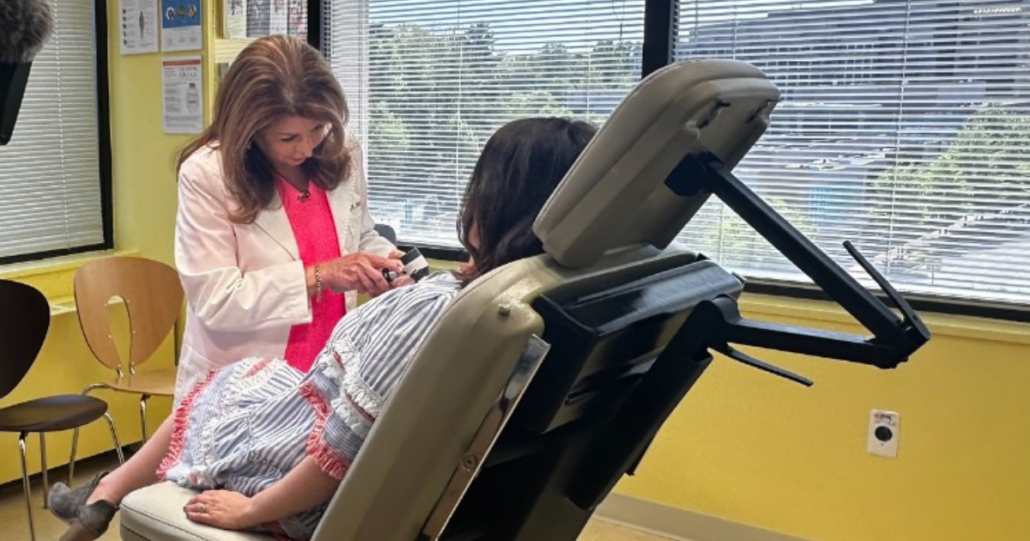
Check out this video of Dr. Skelsey and one of her melanoma patients.


Sources:

American Academy of Dermatology. (2018-2020). Key Messages.

Chien, A., & Jacobe, H. (2022, July). Tanning & Your Skin. The Skin Cancer Foundation. Retrieved May 7, 2023, from https://www.skincancer.org/risk-factors/tanning/#:~:text=Indoor%20Tanning%20Dangers&text=increased%20risk%20of%20developing%20life,a%20sign%20of%20skin%20damage.

Indoor tanning. American Academy of Dermatology. (2021, June 21). Retrieved from https://www.aad.org/media/stats-indoor-tanning#:~:text=Using%20tanning%20beds%20before%20age,risk%20increases%20with%20each%20use.&text=Women%20younger%20than%2030%20are,melanoma%20if%20they%20tan%20indoors

What is Alopecia Areata and How to Treat It

By Laura Monaghan, PA, MMS

Do you or a loved one suffer from patches of non-scarring hair loss? This type of hair loss, known as alopecia areata (AA), is considered a chronic autoimmune disorder. It affects about 300,000 people in the US annually. AA severity can range from one singular patch of hair loss to complete baldness. Patients may also suffer from loss of eyebrow, eyelash, facial, and body hair. Beyond physical implications, AA can also have a significant negative impact on mental health. Hair is often linked to self-identity, especially for women. Research supports the fact that AA causes psychologic distress, which can manifest as personal, social, and work-related problems.

Treatment Options for Alopecia Areata

There are multiple approaches to treating alopecia areata. A common and relatively simple treatment is the administration of intralesional steroid injections every 4-6 weeks. Other therapies include topical or oral steroids, topical minoxidil, anthralin, and topical immunotherapy with Diphenylcyclopropenone (DPCP), dinitrochlorobenzene (DNCB) or squaric acid dibutyl ester (SADBE). While some patients see hair regrowth with these treatments, others have been left feeling frustrated by lack of response.

JAK Inhibators for Hair Loss Treatment

In June of this year, the first oral medication gained FDA approval for treatment of alopecia areata, Baricitinib (Olumiant). Baricitinib is a JAK inhibitor, a class of medications traditionally used for treating rheumatoid arthritis and certain blood disorders. Patients with these rheumatologic conditions incidentally noticed hair regrowth, and subsequent clinical trials supported the efficacy of JAK inhibitors for treating AA.

The promise of JAK inhibitors, however, is not without some risk. Because JAK inhibitors target multiple cellular signaling pathways involved in the immune system, they can increase the risk of serious infection, heart attack, stroke, blood clots, cancer, and death. Yet data for these adverse effects is from patients with rheumatoid arthritis; it is unclear if these warnings apply equally to patients with AA. As long-term data is collected, we will gain a better understanding of the impact of JAK inhibitors on the AA population.

Given the demand for more effective AA treatment, two additional JAK inhibitors are expected to gain FDA approval in the near future. These exciting developments bring hope for patients suffering with alopecia areata.


Contact us to make an appointment for a hair loss consultation with a dermatologist. We can help diagnose the type of hair loss and find a treatment that’s best for you.

How to Protect Yourself from Ticks

By Laura Monaghan, PA, MMS

Summer is in full force, which means increased time outdoors and traveling for vacation. Whether this includes more backyard time with the family, hiking in Appalachia, or relaxing outside the lake house, increased outdoor time also means increased exposure to ticks and the diseases they carry. The most common tickborne illness in the U.S. is Lyme Disease. So just what are its implications?

Signs of Lyme Disease

Lyme Disease is traditionally associated with a bull’s-eye rash known as erythema migrans. Other common symptoms include a headache, fever, and fatigue. Lyme disease can also lead to more serious health problems such as heart disease, nervous system dysfunction, and joint disorders.

Lyme Disease Prevention

A previous Lyme Disease vaccine was available in the US from 1998-2002. However, it was voluntarily discontinued in 2002 due to low demand, perceived safety concerns, and weak Centers for Disease Control (CDC) and Advisory Committee on Immunization Practices (ACIP) recommendations. There are lessons to be learned from this failure. The success of a new vaccine will require a combined effort among the CDC and ACIP, healthcare providers, insurance companies, and government officials to generate adequate demand.

Today, there is a Lyme Disease vaccine developed by Pfizer and Valneva entering phase 3 human trials. This vaccine targets the bacteria’s outer surface protein (OspA) to inhibit its ability to leave the tick and infect humans. Phase 2 trials showed maximal efficacy of a three-dose regimen, with the second and third doses following the first after two and six months. Given that no vaccine-related serious adverse events have been observed, the vaccine passes safety and tolerability measures at this point. Looking ahead, this new vaccine could be seen as early as 2025.

Keep in mind that even in urban areas, ticks are active and prevalent in the summer months.

To lower the chance of tick exposure the CDC recommends:

  1. Apply products that contain permethrin 0.5% to clothing, shoes and camping gear. Apply in areas that are well ventilated; the repellant remains protective through several washings.
  2. Use EPA registered insect repellants containing DEET, picaridin, IR3535, Oil of Lemon Eucalyptus (OLE) para-menthane-diol (PMD) or 2-undecanona. Do not use products containing OLE or PMD on children under 3.
  3. Walk in the center of trails and avoid wooded areas with high grass.
  4. Check yourself  and clothing for ticks. Look under the arms, in and around ears, belly button, back of knees, between lets, around waist and in and around hair.
  5. Shower within 2 hours of coming indoors.
  6. Wash clothing in hot water. Tumble dry clothes in a dryer on high heat for 10 minutes will also kill ticks. Cold and medium temperature water will not kill ticks.

If you do find a tick, follow the CDC Guide for Tick Removal: https://www.cdc.gov/ticks/removing_a_tick.html

You can enjoy the outdoors. But be sure to take some care to identify uninvited guests on your body and clothing to reduce the likelihood of coming in contact with Lyme Disease!


Sources:

Gomes-Solecki, M., Arnaboldi, P. M., Backenson, P. B., Benach, J. L., Cooper, C. L., Dattwyler, R. J., Diuk-Wasser, M., Fikrig, E., Hovius, J. W., Laegreid, W., Lundberg, U., Marconi, R. T., Marques, A. R., Molloy, P., Narasimhan, S., Pal, U., Pedra, J., Plotkin, S., Rock, D. L., Rosa, P., … Schutzer, S. E. (2020). Protective Immunity and New Vaccines for Lyme Disease. Clinical infectious diseases : an official publication of the Infectious Diseases Society of America, 70(8), 1768–1773. https://doi.org/10.1093/cid/ciz872

Shen, A. K., Mead, P. S., & Beard, C. B. (2011, February 1). Lyme disease vaccine-A public health perspective. Infectious Disease Society of America. Retrieved July 13, 2022, from https://academic.oup.com/cid/article/52/suppl_3/s247/444695

U.S. Department of Health & Human Services. (2022, May 13). \ Tick removal. Centers for Disease Control and Prevention. Retrieved July 13, 2022, from https://www.cdc.gov/ticks/removing_a_tick.html

U.S. Department of Health & Human Services. (2022, May 13). Tick Bite Prevention: Centers for Disease Control and Prevention U.S. Department of Health & Human Services. HTTPs: //www.cdc.gov/ticks/avoid/on_people.html

Skin and the Relation to Bone Density

Do you look in the mirror and see a furrowed brow? Thinking about how to erase those lines that suggest you are worried or angry even when you’re not? You’re likely very aware that Botox does the trick and safely erases “the elevens” between the eyes. But did you ever wonder if forehead lines are an indicator that other tissues, not visible to the naked eye, are also showing signs of wear?

Bone Density Study

Researchers at Yale posed the same question about a decade ago and looked at bone density in 114 women in their late 40s and 50s who were within three years of menopause and not on hormone or bone density drug therapy. They measured the number and depth of the women’s forehead, face and neck wrinkles, as well as the skin’s firmness or rigidity, and then tested their bone density by x-ray and ultrasound. They excluded women who had undergone any cosmetic skin procedures or who may have damaged their skin by tanning beds or extensive sun exposure. The small study demonstrated only an association between decreased bone density and early skin wrinkling, and to my knowledge, there haven’t been larger follow-up studies confirming the observation.

Collagen

Although there may be insufficient data to confirm the association, it’s an interesting idea to think about since the scaffolding of both skin and bones is a group of proteins called collagens. As we age, the changes in collagen that visibly cause the skin to sag and wrinkle are also invisibly affecting bone quality and quantity. According to the CDC, the prevalence of low bone mass, a precursor of osteoporosis, at either the femur neck or lumbar spine or both among adults aged 50 and over was 43.1%. This was higher among women (51.5%) compared with men (33.5%).

Osteoporosis

Of the estimated 10 million Americans with osteoporosis, about eight million or 80% are women. Approximately one in two women over age 50 will break a bone because of osteoporosis. Furthermore, a woman’s risk of breaking a hip is equal to her combined risk of breast, uterine and ovarian cancer. There are 1.5 million osteoporotic fractures in the United States each year, leading to more than half a million hospitalizations, over 800,000 emergency room encounters, more than 2,600,000 physician office visits, and the placement of nearly 180,000 individuals into nursing homes. Hip fractures are by far the most devastating type of fracture, accounting for about 300,000 hospitalizations each year.

Bone Density Screening

Many women (and men) don’t know they have low bone density until it has progressed to the point of fracture that requires both surgical intervention and the initiation of treatment with bisphosphonates. The key is finding out early when you can do something about it. Talk to your physician about a screening bone scan, especially if you have a family history of osteoporosis, if you are a woman over age 65 or if you have risk factors (such as past fracture, certain medical conditions or medications, or cigarette or alcohol use).

Healthy Lifestyle Habits for Skin & Bones

We don’t know whether wrinkles really are a sign that your bone density is low, but we do know that many of the same measures that keep your skin healthy are also beneficial to your bones. Some lifestyle habits you can adopt that promote both healthy skin and bones:

1. Don’t smoke: Avoiding or quitting smoking is strongly recommended for bone health because smoking cigarettes is known to increase bone loss.

2. Alcohol in moderation: Excess alcohol decreases bone density by 2%, dehydrates the skin and exacerbates conditions such as rosacea.

3. Exercise: Weight-bearing exercise increases bone density and it’s also great for your skin: By getting the heart rate up and improving blood circulation, exercise can help to deliver oxygen and nutrients to the skin which stimulates collagen production, and promotes new skin cells, keeping the skin glowing and also helping with anti-aging. An interesting study in Japanese post-menopausal women demonstrated increased bone density in the hip after standing on one foot for 1 minute 3 times per day.

4. Diet: Sufficient Calcium and Vitamin D (through diet and not the sun in order to protect your skin!) are foundational for good bone health. Topical solutions include Solaana MD Healthy Base Layer, which is a Vitamin D enriched cream (available through our online store). Also important is a diet rich with fruits, vegetables and seafood in order to obtain sufficient Vitamins A, B, C, E, K, Potassium, Magnesium and Silica, which are all beneficial to both your skin and bones.

So as you embrace the Mediterranean diet and exercise regularly, you can be assured that you are simultaneously doing what’s best for your skin AND bones. Get your Vitamin D through your diet and supplements and apply sunscreen regularly; you can even apply it while standing on one leg to continue multitasking!


Sources:

Brooks M. Skin wrinkles may provide a glimpse into Bone Health. Medscape. https://www.medscape.com/viewarticle/744027. Published July 25, 2020.

Office of the Surgeon General (US). Bone Health and Osteoporosis: A Report of the Surgeon General. Rockville (MD): Office of the Surgeon General (US); 2004. Available from: https://www.ncbi.nlm.nih.gov/sites/books/NBK45513/

Sahni S, Mangano KM, McLean RR, Hannan MT, Kiel DP. Dietary approaches for bone health: Lessons from the Framingham Osteoporosis Study. Current Osteoporosis Reports. 2015;13(4):245-255. doi:10.1007/s11914-015-0272-1

Sakai A, Oshige T, Zenke Y, Yamanaka Y, Nagaishi H, Nakamura T. Unipedal standing exercise and hip bone mineral density in postmenopausal women: a randomized controlled trial. J Bone Miner Metab. 2010;28(1):42-8. doi: 10.1007/s00774-009-0100-8. Epub 2009 Jun 12. PMID: 19521657.

Sarafrazi N, Shepherd JA, Wambogo EA. Osteoporosis or low bone mass in older adults: United States, 2017-2018. NCHS Data Brief No 405. March 2021. doi:10.15620/cdc:103477 What women need to know. Bone Health & Osteoporosis Foundation. https://www.bonehealthandosteoporosis.org/preventing-fractures/general-facts/what-women-need-to-know/. Published February 24, 2022.

Post-COVID Hair Loss

Post-COVID hair loss? It’s very much real.

Post-COVID Hair Loss

Did you have an uninvited holiday guest named COVID this year? If so, you’re not alone. Given the extraordinarily high levels of the Coronavirus in the Washington, DC area, nearly everyone had COVID or knew someone who did. As our vaccination and booster rate is very high, most people emerged with minimal or moderate symptoms.

Post-COVID Condition: Hair Loss

Even with only a mild COVID infection, however, it’s common to experience post-COVID conditions, such as hair loss. The phenomenon called telogen effluvium is not limited to COVID infections but can occur 2-3 months after any severe illness, high fever, surgery, or child birth, to name a few.

Why Does Post-COVID Hair Loss Occur?

It’s not completely understood, but the physical or psychological stress can induce hair follicles to prematurely move into the telogen or resting phase.

Normally 90% of scalp hair is in the growth or anagen phase, which lasts 2-6 years. The hair then regresses and stops growing. Approximately 1% of hair is in this regressing or catagen phase. In acute telogen effluvium, a larger than normal percentage of hairs move to the resting phase and are lost “at the root” with a club visible on the end. More than 100-150 hairs may be lost each day. Up to 50% of the scalp hairs may be affected but complete hair loss does not occur. The hair does grow back, but it may take 6-12 months.

If there is itching, scaling skin or pustules, it is likely that the hair loss is attributable to another cause and it’s important to be evaluated. Telogen effluvium can also sometimes unmask other conditions such as androgenetic or hereditary hair loss and can co-exist with other types of alopecia.

Treatments for Post-COVID Hair Loss

Telogen effluvium doesn’t usually require treatment, although there are some topical and oral regimens that may accelerate regrowth. Don’t be alarmed if you have some shedding 2- 3 months after an episode of COVID, but if the shedding is associated with other changes in your scalp or does not seem to be resolving, schedule a consultation with a dermatologist.

Contact us to schedule and appointment.

Do Personal Care Products Expire?

cosmetic-expiration-dates

The life-changing magic of tidying up 

We all have too much stuff – in our closets, desks, basements and attics. Nobody wants to throw something away that might come in handy later. I’m no Marie Kondo (just ask anyone who has seen my desk!), but I can tell you that most of us keep personal care products far longer than they are safe and effective. 

Before you pack for your next vacation, look at what you have and discard everything that has expired. Make a habit of doing this regularly. Currently there are no U.S. laws requiring expiration dates on cosmetics.  However, the FDA holds cosmetic manufacturers responsible for ensuring the safety of their products and determining a product’s shelf life. Some manufacturers will include a Period After Opening (PAO) symbol printed on their cosmetic product. This is a tiny image of an open jar with a number on it that reflects the number of months a product is stable and safe for use after opening. Expiration dates and PAO are not synonymous.  An expiration date refers to the shelf life of a product in its “unopened” primary container when maintained under the conditions of storage indicated on the product’s label. 

Generally eye-area cosmetics tend to have shorter shelf lives due to the risk of serious eye infections, whereas lipsticks can be used longer. Most manufacturers recommend discarding mascara in 2-4 months because the wand can become contaminated. It is important to be aware that the PAO is a”rule of thumb,” and that a product may expire sooner if it has not been properly stored (that tube of sunscreen that you forgot in your car becomes unstable in the heat and the cosmetics in the bathroom are exposed to harmful organisms). If a product looks different from when it was first opened, if there is any change in texture, color, smell or if the product begins to separate, it should be thrown out. Don’t try to rehydrate dried out or cracked products, just send them to the waste basket. 

Not all skin care products are regulated as cosmetics. Sunscreens and over-the-counter acne treatments are considered drugs under the law. The FDA requires that all drugs have expirations dates listed, unless testing has demonstrated the product will remain stable for at least three years. Therefore, if a sunscreen does not have a labeled expiration date, it should be considered expired three years after the date of purchase. When you buy sunscreen without a visible expiration date, write the date of purchase on it so you’ll know when to get rid of it. To maintain the quality of a sunscreen, it should be kept out of direct sunlight and excessive heat. Additionally, if the sunscreen’s consistency or color has changed since you first purchased it, discard it. Daily sunscreen use is proven to decrease your risk of skin cancers and skin precancers. Don’t rely on an old bottle of sunscreen to protect yourself. Your health depends on it! 


Source:

https://www.fda.gov/cosmetics/cosmetics-labeling/shelf-life-and-expiration-dating-cosmetics 

May is Skin Cancer Awareness Month

Sun and Skin Cancer Myths

Skin cancer is the most common of all types of cancer. Nearly one in five Americans will develop skin cancer in their lifetime. Melanoma, the deadliest form of skin cancer, causes nearly 20 Americans to die every day. As May is National Skin Cancer and Melanoma Awareness Month, it’s important to debunk some common skin cancer misconceptions.

Myth: Having a base tan will prevent sunburns.

  • UV exposure causes your skin to increase its melanin production, which leads to a darker skin tone. This process is a natural defense mechanism as a result of sun damage. There is no such thing as a healthy tan.

Myth: Indoor tanning is a safe alternative to UV exposure from the sun.

  • Tanning beds produce UVA and UVB light. UV exposure from any source can lead to skin damage, wrinkles, aging, and skin cancer.

Myth: Clouds will protect from the sun’s UV rays.

  • Up to 80% of the sun’s UV rays can penetrate through the cloud.

Myth: I need sun exposure to get vitamin D.

  • You can maintain adequate levels of this essential nutrient from supplements or  foods that are either naturally contain Vitamin D or are fortified with it.

Myth: The higher the SPF the better.

  • SPF protection doesn’t increase proportionately with the designated SPF number. SPF 30 absorbs 97% of the sun’s burning UV rays, while SPF 50 absorbs around 98% and SPF 100 absorbs 99%. A sunscreen with at least a SPF of 30 is recommended.

Fortunately, exposure to UV light is the most preventable risk factor for skin cancer. It’s important to seek shade, especially from 10 a.m. until 4 p.m., when the UV index is at its highest. Wearing a broad- spectrum (UVA and UVB coverage), water- resistant SPF of 30 or higher is recommended and should be reapplied every two hours and after swimming/sweating. Sun protective clothing, wide-brimmed hats and sunglasses with UV protection should also be worn when possible. Lastly, regular total body skin exams and exams using the ABCDE criteria (Asymmetry, Border, Color, Diameter, and Evolving) can result in early skin cancer detection. 

Get yourself checked today!

Sunburn, Skin Cancer and Supplements

sun Protection Supplements

Sunburn and Skin Cancer

Sunburn is inflammation of the skin caused by overexposure of ultraviolet (UV) light from the sun. Although sunburn often results in short term pain, redness, and dryness, the long term effects of sunburn can lead to serious consequences including skin cancer.

Non-melanoma skin cancer (NMSC) is considered to be the most common form of cancer in the United States and the incidence of NMSC is on the rise. The current methods available to protect against UV radiation include the use of hats and or protective clothing, sunscreens, avoidance of midday sun, and seeking shade. However, compliance with these methods is low due to the inconvenience of use, forgetting to reapply, desire to be tan, and protective clothing being too hot to wear. The introduction of an oral supplement as an adjunctive treatment for the protection against the harmful effects of UV exposure may provide a simple solution.

Oral Supplements as Sun Protection

Starr 050107-2831 Phlebodium aureum

Polypodium leucotomos extract and Nicotinamide (Vitamin B3) are two oral supplements that have proven to be effective photoprotective agents. Polypodium leucotomos extract is derived from a Central and South American fern plant.¹,² Studies have shown that it possesses properties ranging from antioxidant, anti-inflammatory, immunomodulatory and photoprotective.¹ In the U.S., it is currently marketed as an oral dietary supplement (Heliocare) with a recommended dose of one 240 mg capsule 30 minutes before sun exposure, followed by an additional 240 mg capsule 3 hours after prolonged sun exposure. It has proven to be well-absorbed, well-tolerated, with negligible risk of side effects, and no recognizable toxic effects.²

Nicotinamide’s photoprotective effects range from replenishing cellular energy after UV radiation, enhancing DNA repair, reducing UV-induced immune suppression, reducing number of actinic keratoses (precancerous lesions), and improving the skin barrier function. It’s recommended dosage is 500 mg two times per day. It has been found to be safe and well-tolerated even at high doses.3,4


Sources:

Choudhry SZ, Bhatia N, Ceilley R, et al. Role of oral Polypodium leucotomos extract in
dermatologic diseases: a review of the literature.J Drugs Dermatol. 2014;13(2):148-153.

Winkelmann RR, Del Rosso J, Rigel DS. Polypodium leucotomos extract: a status report on
clinical efficacy and safety. J Drugs Dermatol. 2015;14(3):254-261.

Damian DL. Nicotinamide for skin cancer chemoprevention. Australas J Dermatol.
2017;58(3):174-180.

Chen AC Martin AJ, Choy B, et al. A Phase 3 Randomized Trial of Nicotinamide
for Skin-Cancer Chemoprevention. N Engl J Med. 2015;373:1618-1626.