Tag Archive for: acne

Hormonal Acne as an Adult

By Kyleen Davis, FNP

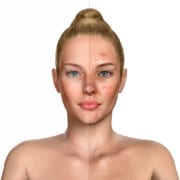
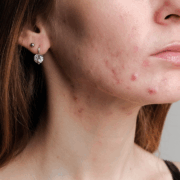
Let’s get one thing straight—acne isn’t just a teenage thing. Even though Hollywood would have us believe that breakouts magically disappear with high school, many women continue to deal with acne well into adulthood. And let’s be honest, it’s frustrating. It can feel like your skin is going backwards.

The culprit? Often, it’s hormones.

Hormonal acne is super common, especially for women, and it’s usually tied to shifts in hormones related to things like your menstrual cycle, perimenopause, or menopause. These changes can ramp up oil production and inflammation, leading to—you guessed it—breakouts.

You’ve probably tried the usual go-to treatments like benzoyl peroxide or retinoids. And yes, they can work! But if your acne isn’t budging, there are newer, evidence-backed options worth considering.

Let’s walk through them:

Spironolactone

Spironolactone wasn’t originally made for acne—it’s actually a blood pressure medication. But it turns out it has anti-androgen properties, which means it helps block certain hormones that trigger acne.

Many women have seen big improvements (we’re talking 50% to 100% better).1 Side effects are usually mild—think dizziness, headaches, or changes in your period. Most young, healthy women don’t need frequent blood work monitoring on this medication, but if you’re older or have other health concerns, your provider may want to monitor your potassium and kidney function. It’s not safe during pregnancy and isn’t used in men.

Chemical Peels

Chemical peels aren’t just for glowing skin—they can actually help clear up acne. They exfoliate dead skin cells, unclog pores, calm inflammation, and even regulate oil production.

We offer an Acne Salicylic Wash Peel that specifically targets breakouts, reducing redness, swelling, and excess oil.

Niacinamide

You might’ve seen this ingredient pop up in serums and moisturizers—and for good reason. Niacinamide (a form of vitamin B3) helps reduce oil production, calms inflammation, strengthens the skin barrier, and even fights off free radicals that can worsen acne.

It’s gentle, effective, and works for most skin types.

Clascoterone: A Topical Anti-Androgen

This one’s relatively new and exciting. Clascoterone (brand name Winlevi) is a cream that works like a topical version of spironolactone—it blocks hormone receptors in your skin, helping to reduce oil and inflammation.

The best part? It’s topical, so you skip the systemic side effects of oral medications. It’s safe for both women and men, even teens 12 and up. The downside? It’s still pretty new, so cost and insurance coverage might be a hurdle for some.

Combined Oral Contraceptives

Certain birth control pills can also double as an acne treatment, especially if your breakouts seem to follow your menstrual cycle. They help regulate hormones that contribute to acne, and some even come with added benefits for women dealing with cycle irregularities.

Some types seem to work better for acne than others. Pills containing drospirenone or other low-androgenic progestins often show the best results.2

Light & Laser Therapy: A Non-Invasive Option

If you’d prefer to stay away from pills and creams, light therapy might be a good fit.

Red light therapy reduces inflammation, speeds up healing, and even helps fade post-acne marks. Blue light therapy, on the other hand, targets acne-causing bacteria directly and is a great option if you’re coming off antibiotics or want a non-drug approach.

We offer in-office blue light treatments, and while at-home devices are out there, they tend to be less powerful.

Quick breakdown:

Red Light:

  • Soothes inflammation
  • Boosts collagen
  • Helps with overall skin healing

Blue Light

  • Zaps acne-causing bacteria
  • Can help with precancerous skin issues too
  • Promotes smoother, clearer skin over time
What’s Next? New and Emerging Options

Researchers are working on even more targeted hormonal treatments, like selective androgen receptor modulators (SARMs). The field is moving toward more personalized approaches, combining both topical and systemic therapies to get the best results.

The Bottom Line

Dealing with hormonal acne as an adult isn’t just common—it’s totally normal. And thankfully, treatment options are getting better and more tailored every year.

If you’re feeling stuck with your current routine, let’s talk. There are plenty of new solutions out there, and we’re here to help you find what works best for your skin. Book a consultation and let’s get you on the path to clearer, more confident skin.


Resources

  1. American Academy of Dermatology. (2025). Stubborn acne? Hormonal therapy may help.https://www.aad.org/public/diseases/acne/derm-treat/hormonal-therapy.
  2. Arrington, E. A., Patel, N. S., Gerancher, K., & Feldman, S. R. (2012). Combined oral contraceptives for the treatment of acne: A practical guide.Cutis, 90(2), 83–90.https://cdn.mdedge.com/files/s3fs-public/Document/September-2017/090020083.pdf
  3. Casey, F. E. (2023, January 11).Contraception and its impact on acne. Contemporary OB/GYN. https://www.contemporaryobgyn.net/view/contraception-acne
  4. Charny, J., Choi, J. & James, W. (2017). Spironolactone for the treatment of acne in women, a retrospective study of 110 patients. International Journal of Women’s Dermatology, 13, 3(2), 111-115.
  5. Cleveland Clinic. (2024, September 19).Red light therapy: Benefits, side effects & uses.https://my.clevelandclinic.org/health/articles/22114-red-light-therapy
  6. Fioravanti, G., & Casale, S. (2021). Social media and body dissatisfaction in young adults: An experimental investigation of the effects of different image content and influencing constructs.Body Image, 38, 1–11.https://doi.org/10.1080/14656566.2021.1918100
  7. Hebebrand, M., & Del Rosso, J. Q. (2025, January 28).What’s new in the medicine chest: Acne vulgaris.Dermatology Times. https://www.dermatologytimes.com/view/what-s-new-in-the-medicine-cabinet-acne-vulgaris
  8. Hebert, A., Thiboutot, D., Stein Gold, L., Cartwright, M., Gerloni, M., Fragasso, E., & Mazzetti, A. (2020). Efficacy and safety of topical clascoterone cream, 1%, for treatment in patients with facial acne: Two phase 3 randomized clinical trials.JAMA Dermatology, 156(6), 621–630.https://doi.org/10.1001/jamadermatol.2020.0465
  9. Lortscher, D., Admani, S., Satur, N., Eichenfield, L. Hormonal contraceptives and acne: a retrospective analysis of 2147 patients. Journal of Drugs in Dermatology, 15(6), 670-674.
  10. Macy, E., McCormick, T. A., Adams, J. L., Crawford, W. W., Nguyen, M. T., Hoang, L., Eng, V., Davis, A. C., & McGlynn, E. A. (2022). Association between removal of a warning against cephalosporin use in patients with penicillin allergy and antibiotic prescribing.JAMA, 327(3), 239–247.https://doi.org/10.1001/jama.2021.24751
  11. Miller, K. D., Siegel, R. L., Lin, C. C., Mariotto, A. B., Kramer, J. L., Rowland, J. H., & Jemal, A. (2019). Discrepancy between perceived diet quality and actual diet quality among US adult cancer survivors.JAMA Oncology, 5(6), 845–847.https://doi.org/10.1001/jamaoncol.2019.0601
  12. Paller, A. S., Mendes-Bastos, P., Siegfried, E. C., Raymundo, A. F., Yang, H., Hu, X., Calimlim, B. M., Platt, M., Zheng, Y., Teixeira, H., Liu, J., & Eyerich, K. (2024). Upadacitinib in adolescents with moderate to severe atopic dermatitis: Analysis of 3 phase 3 randomized clinical trials through 76 weeks.JAMA Dermatology, 160(12), 1304–1313.https://doi.org/10.1001/jamadermatol.2024.3696

Ten Tips for Clear Skin this Summer

As much as we look forward to summer, it can be a tough season for acne sufferers as many people find that acne flares during the warmer months.

Acne develops when the pores in the skin become blocked by a combination of sebum, or oil, and dead skin cells. This allows the bacteria that normally lives on the surface of the skin to multiply within the plugged follicle, leading to inflammation and irritation. Our pores react to heat and humidity by expanding and releasing more oil and sweat, creating the ideal environment for acne flares.

With the plethora of information surrounding acne and the never-ending battle to keep it at bay, you might find yourself lost in a sea of conflicting information on how to best take care of your skin.

Here are 10 tips to help you achieve clear skin this summer

      1. Keep your skin clean by using a gentle cleanser twice a day! This can help fight against the bacterial component of acne and by using gentle cleanser, you are preventing any further inflammation and drying out of the skin. Wash your face when you wake up, before you go to bed, and when you finish an activity that makes you sweat.
      2. Avoid scrubbing the face too much! I know we said to wash the face, but scrubbing aggressively can rupture existing acne lesions, causing the bacteria it contains to spread. Use your fingers to apply cleanser, as a sponge or washcloth can also cause irritation.
      3. Shampoo your hair regularly! What does washing your hair have to do with acne? Cleaning the hair regularly can help fight against oil developing in the hair that can transfer to your face and cause clogged pores.
      4. Avoid touching the face as much as possible! This can also transfer oils onto the skin, further clogging pores and creating acne.
      5. Avoid picking and popping current acne blemishes! This can introduce more bacteria and cause acne to take longer to heal. Plus, it increases your risk of scarring and post-inflammatory hyperpigmentation or darkening of the skin.
      6. Avoid sun exposure! The sun can promote the darkening of existing acne spots. Even worse, the UV exposure from tanning can increase your risk of skin cancer and signs of photodamage in the future. Make sure to use sunscreen with an SPF 30 that is labeled “broad spectrum.” Reapply after swimming or perspiring!
      7. Use oil-free sunscreens and moisturizers! Even on cloudy days, UV rays are able to penetrate through the clouds, so always make sure you are protected. Using oil-free, non-comedogenic sunscreens can help prevent pore obstruction and provide much-needed protection.
      8. Wash caps and hats frequently. Wearing a baseball cap or anything else on your head without washing it (or dry cleaning) allows sweat, dirt, and oil to accumulate. This can cause acne to flare.
      9. Change your sheets and pillowcases at least once a week! Sheets and pillowcases can collect oil and dead skin cells throughout the week, leading to more clogged pores and acne.
      10. Avoid wiping away your sweat! Whether it’s the DC humidity or your favorite workout that has you sweating, rubbing your sweat with a towel can lead to a condition coined “acne mechanica” in which the friction and compression of the skin traps heat and sweat, leading to irritation and worsening acne. Instead, try using a clean towel to blot sweat away from your skin, and make sure to wear loose-fitting clothing while working out!

Adopting these habits in combination with a regimen of topical and or oral medications prescribed just for you can allow you to achieve clear skin and a great summer!


Sources

Clinic, Cleveland. “Why Is Acne Worse in the Summer?” Cleveland Clinic, Cleveland Clinic, 30 July 2021, health.clevelandclinic.org/why-does-my-acne-get-worse-in-the-summer.

Garrick, Nancy. “Acne.” National Institute of Arthritis and Musculoskeletal and Skin Diseases, 1 Sept. 2016, https://www.niams.nih.gov/health-topics/acne

Lockett, Eleesha. “Acne Mechanica: Causes, Treatment, and Prevention.” Healthline, 30 Sept. 2020, www.healthline.com/health/acne-mechanica#pictures. Accessed 12 May 2024.

Ludmann, Paula, and Brooke Schleehauf. “Acne: Tips for Managing.” Www.aad.org, 16 Nov. 2022, www.aad.org/public/diseases/acne/skin-care/tips.

Zaenglein, AL, Pathy AL, et al. “Guidelines of care for the management

Wearing a Mask and Caring for Your Face

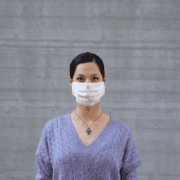
While taking walks in Chevy Chase and Georgetown these days, I see most people wearing a face covering.  It is reassuring, as wearing a mask is critical to keeping your family, friends, co-workers and yourself safe from coronavirus. With long-term wear, however, masks can sometimes cause or exacerbate painful and troubling skin conditions. In the past few months, we have seen a significant increase in:

  1. “Mask-ne,” or an acne breakout in the area under and around the mask,
  2. Dry, itchy skin in the same areas on the face,
  3. Redness and pain behind the ears, from the mask straps.

Since there is no question wearing a mask is the right thing to do, here are some tips on how you can manage these conditions while continuing to keep yourself covered.

START CLEAN – washing your face

Masks retain dirt and oil on the skin, so cleaning your face (and your mask) properly before you put one on is even more important.

  • If you suffer from acne, use a non-comedogenic cleanser (one formulated so as not to cause blocked pores) twice a day. Also, use a gel moisturizer and oil-free make-up.
  • Stop using make-up entirely until your skin heals, if you can.
  • For irritated or dry skin use a gentle cleanser.
CHOOSE THE RIGHT SKIN PRODUCTS – moisturize and mitigate irritation
  • Choose products that are fragrance-free.
  • Look for moisturizers containing ceramides, hyaluronic acid or dimethicone.
  • For acne, use a gel, non-comedogenic moisturizer.
  • If you must wear make-up and you have acne, use oil-free, mineral-based products.
  • If your skin is dry or irritated, stop using retinoids, glycolic acids, salicylic masks, peels and scrubs.
  • If your ears are telling you they need a break, try moisturizing behind them to ease redness and discomfort from the mask straps.
MASK TYPES AND ROUTINE – Not all masks are alike

What a mask is made of and how you wear it has an impact on your skin.

  • Wear a mask made of natural breathable cotton fabric. Avoid synthetic nylon, polyester or rayon that can irritate and cause breakouts.
  • Make sure your mask is snug at the edges, but not too tight on your face. A mask that moves around a lot can abrade your skin surface and exacerbate inflammation. Plus, it is more likely you’ll touch your face to adjust it.
  • Rotate wearing different strap types and ear loops in order to cause less irritation behind the ears.
  • Purchase masks with long straps, or strap extenders, that wrap about the back of your head so that the strap does not rest on sensitive skin behind the ears.
  • Take a mask break for 15 minutes every 4 hours when you are in a safe environment such as alone in your car or outdoors six feet away from people.
CARE FOR YOUR MASK, TOO

It is important to regularly clean your mask, so that it is as inoffensive to your skin as it can be.

  • Wash a cloth mask daily in hot, soapy water, and rinse well, unless otherwise specified.
  • When washing cloth masks, use fragrance-free, hypoallergenic soap or mild laundry detergent and skip the fabric softener.
  • If you do not hang your mask to dry, avoid scented dryer sheets as these frequently cause itchy, inflamed skin.
  • If you are using a disposable surgical-type mask, how often you should start a new one depends on how much you use it, if you wear makeup and your specific skin condition. If it is visibly dirty, it is time for a new one.

For DIY help, our online store contains products that will allow you to care for your face during this unique time (mohs-md.square.site).  If your mask-related skin problem does not resolve after a few weeks, prescription medication may help. Call our office to make an appointment.

Coping with Stress and Treating Acne

By Cynthia H. Cameron, NP

Everyone is cooped up at home listening to dire news reports with limited access to many of the activities that help us reduce stress. There are no organized sports for teenagers, no going to the movies with friends, nor trips to the gym. Anxiety is a normal reaction to the conditions we’re all facing. All that stress takes a toll on our bodies, and the effects on our skin are readily visible.

The Relationship Between Stress and Acne

Both teenagers and adults can experience flares of acne as a result of stress. Research shows that in response to negative emotions, our bodies produce more hormones called androgens. These androgens stimulate oil glands and inflammatory cytokines which set the immune system into overdrive and trigger acne flare-ups.

Stress can also lead to repetitive behaviors such as skin picking or touching your face (which we need to avoid to reduce the risk of covid-19 infection). Squeezing pimples and skin picking can lead to infections and scarring which may worsen depression and anxiety.

Many people avoid socializing (even on Zoom!) when their acne flares, leading to further isolation. Studies show  that treating acne can boost mood and self-esteem.

Treating Acne through Telehealth

Over the past few weeks, I’ve seen an increase in severe acne in my telemedicine visits. The good news is that virtually everyone who is conscientious about using the medications and treatments we prescribe sees improvement after a relatively short period of time.

During my visit with a patient, which is performed on a secure HIPAA compliant platform, I take a complete health history, identify possible triggers and inquire about a patient’s diet. In doing so, I am better able to identify and recommend possible dietary changes that may help address the worsening of the patient’s acne. Patients who keep a food diary or record their food intake are often able to identify what foods tend to trigger breakouts.

Diet and Acne

There is also data to suggest that following a low-glycemic diet may reduce acne. Low-glycemic foods include most fresh vegetables, some fresh fruits, beans, and steel-cut oats. Check out these 8 principles of low-glycemic eating. It can also be helpful to minimize intake of sugar and processed carbohydrates and to consider discontinuation of whey protein supplements; milk (but not necessarily all dairy) can exacerbate acne in some individuals.

Tips for Treating Acne Breakouts

In addition to prescription medications that may be applied to the skin or sometimes taken orally, I recommend the following:

  • Wash your face twice a day and after sweating.
  • Use your fingertips to apply cleanser as washcloths and mesh sponges can irritate the skin.
  • Shampoo regularly. If your hair is oily, shampoo daily. Medicated shampoos can help too.
  • Don’t pop, pick or squeeze your acne, which can cause scars.
  • Don’t “spot treat” with your acne medicine. Apply a thin layer to the entire area in order to prevent new blemishes.
  • Use sunscreen that is designed for acne and labeled non-comedogenic or non-acnegenic.
  • If you have acne on the back, avoid using anything that rubs against your back, such as a backpack.
  • Bring all of your skin and hair care products to your televisit so we can review what might aggravate your acne.

Coping with Stress for our Health

When we are stressed, our self-care often takes a back seat. Our diet, sleep quality and quantity, and skin care regimen all play a role in our mental and physical health, including our skin.

During this difficult time, consider the following coping mechanisms:

Nobody needs to live with severe acne nor suffer from permanent scarring. With a combination of evidence-based dermatologic treatment, proper skin care and a healthy lifestyle, you can achieve clearer skin—even in the midst of a pandemic.

Click here to learn more about our telehealth platform and to request an appointment.


Common Acne Myths

There are many myths surrounding the causes and treatment of acne. Let’s look at what’s actually true.

Your diet has nothing to do with your acne.

FALSE. There is increasing scientific evidence to support a relationship between acne and diet. Specifically, foods that are highly processed, such as chips, crackers, and cakes, along with “high glycemic foods”, such as white bread, soda, candy, and juice, should be avoided in patients prone to acne.

In addition, certain dairy products may also exacerbate acne-prone skin. A recent study published in The Journal of the American Academy of Dermatology demonstrated that consumption of skim and low-fat milk—but not full-fat milk—was positively associated with worsening acne.

Acne-fighting diets should have plenty of anti-inflammatory foods, including fruits, vegetables, whole grains, legumes, fatty fish, and nuts. Of course, diet alone cannot completely eradicate acne, and should be combined with proven medical treatments to ensure clear skin.

Tanning improves acne.

MAYBE TRUE. While the sun’s rays can temporarily clear up acne, tanning is NOT recommended due to the harmful effects of UV rays on the skin.

However, certain light treatments available at home and in the dermatologist’s office can work to effectively treat acne without the risk of UV damage. Studies have shown that the colonization of the P. acnes bacteria that contributes to acne is reduced when exposed to concentrated amounts of blue or red light. This type of treatment, termed photodynamic therapy (PDT), may also reduce the need for oral medications, like antibiotics, which can lead to unwanted side effects. A typical PDT course consists of 8 weekly treatments. For more severe acne, a topical medication called aminolevulinc acid HCl may be applied prior to sitting in front of the light and can reduce the amount of treatments required to achieve acne clearance.

Acne only affects individuals in their teenage years.

FALSE. Most patients think they will grow out of acne as an adult, yet adult acne—defined as acne over the age of 25—is a common concern encountered by dermatologists. Adult-onset acne is particularly common in females, due to the fluctuation of hormone levels around the menstrual cycle, during pregnancy, perimenopause, and after discontinuing oral contraceptive pills. This type of acne may require specific medications to treat effectively, thus it is best managed by your dermatologist.

Vigorous cleansing will improve acne.

FALSE. In individuals with acne-prone skin, it is important to cleanse the skin twice daily to remove dirt and oils. However, over-cleansing the skin with harsh ingredients can actually trigger more inflammation, making acne worse. A gentle cleanser is best, along with ingredients such as fragrance-free moisturizers, that are not irritating to the skin. While it may seem counterintuitive in patients with oily skin, moisturizers are actually an important part of an acne treatment regimen, as they allow the skin to better tolerate topical acne medications.

Furthermore, when the skin becomes too dry, the body reacts by making more oil, which can clog the pores and lead to more breakouts. Balancing the skin’s natural barrier through gentle cleansing and noncomedogenic moisturizers is best to keep acne to a minimum.

Acne is caused by bacteria.

MAYBE TRUE. Most individuals believe acne is caused by an overgrowth of bacteria, but that is only one component of the pathophysiology of acne. Other causes of acne include inflammation, hormonal factors, and genetic susceptibility, all of which need to be treated in different ways. This is why multiple medications are often used to treat acne, and an acne treatment plan needs to be tailored to each individual.

Acne is not a serious health problem.

FALSE. Traditionally, acne has been thought of as purely cosmetic and not a serious health concern, however, studies have shown that acne can take a toll on patients’ mental health.

Research has revealed that acne can lead to depression, anxiety, and low self-esteem. Furthermore, stress has been shown to worsen acne, leading health professionals to struggle with determining whether a patient’s acne is causing his or her mental health problem or vice versa.

Our bodies respond to stress by producing more hormones (androgens), which can stimulate the oil glands and hair follicles in the skin, leading to more acne. Thus, for acne treatment to be effective, limiting stress and addressing the mental health of the patient is an important part of the treatment plan.

I can clear up acne using at-home treatments.

TRUE, but in-office treatments may be more effective. There are many effective over-the-counter products that can be used to treat acne, such as benzoyl peroxide, salicylic acid, and synthetic retinoids, like adapalene. However, if your acne has not cleared up with these treatments, it may be time to see your dermatologist.

A dermatologist can help tailor your treatment plan to your individual skin type and target specific causes of your acne. In addition, many in-office procedures have been shown to be very effective for managing acne. Chemical peels with ingredients like salicylic acid and retinol, help to reduce the number of new acne lesions as well as clear up the annoying post inflammatory redness acne leaves behind. These treatments are typically not covered by insurance and costs may vary.

Your hair has nothing to do with acne.

FALSE. Seborrheic dermatitis, or dandruff, is a skin condition that commonly overlaps with acne. It typically affects the areas of the body that are rich in oil glands, such as the face, scalp, chest, and back.

Symptoms include greasy scale along the forehead and around the nose, with scaling and itching of the scalp. Treating the hair with medicated shampoos containing ketoconazole, zinc, or sulfur several times a week can help improve the seborrheic dermatitis as well as clear up acne, and are also often an important part of the acne treatment plan.

Sunscreen can worsen acne due to clogged pores.

MAYBE TRUE. Certain chemical sunscreens can irritate the skin and worsen acne in susceptible individuals. However, physical sunscreens, such as those containing zinc oxide, can actually help acne due to their anti-inflammatory effects.

In addition, many sunscreens have other beneficial ingredients that have been shown to improve acne. For example, Elta MD UV clear sunscreen contains niacinamide and lactic acid, two acne-fighting ingredients that keep skin clear.  By carefully selecting a sunscreen, acne-prone patients can actually improve their skin while protecting it from the harmful rays of the sun.

If I have dry skin, I cannot get acne.

FALSE. Most individuals with acne have oily or combination skin, but that does not mean dry skin cannot be prone to breakouts. Dry skin can cause tiny breaks in the skin where bacteria can multiply, leading to inflammation.

Furthermore, the flaking associated with dry skin causes the pores to become clogged, leading to acne. Avoiding harsh, drying soaps and using moisturizers regularly can help to balance the skin and prevent acne in these individuals.


Visit a dermatologist who can help identify your skin type and put together a treatment plan for acne, customized for you. Click here to contact us for an appointment.


References

American Academy of Dermatology Association. Chemical peels: An overview. Retrieved from https://www.aad.org/cosmetic/younger-looking/chemical-peels-overview.

American Academy of Dermatology Association. Adult Acne. Retrieved from https://www.aad.org/adult-acne.

American Academy of Dermatology Association. Acne can affect more than your skin. Retrieved from https://aad.org/diseases/acne/acne-emotional-effects.

American Academy of Dermatology Association. Moisturizer: why you may need it if you have acne. Retrieved from https://www.aad.org/moisturizer.

Cerman, A., Aktas, E., Altunay, I., Arici, J., Tulunay, A., Ozturk, F. (2016). Dietary glycemic factors, insulin resistance, and adiponectin levels in acne vulgaris. Journal of the American Academy of Dermatology, 75(1), 155-162.

Gupta, M., Mahajan, V., Mehta, K., Chauhan, P. (2014). Zinc therapy in Dermatology: A review. Dermatology Research and Practice. Http://dx.doi.org/10.1155/2014/709152.

Ismail, N., Manaf, Z., Azizan, N. (2012). High glycemic load diet, milk, and ice cream consumption are related to acne vulgaris in Malaysian young adults: a case control study. BMC Dermatology, 16(12), 13.

LaRosa, C., Quach, K., Koons, K., Kunselman, A., Zhu, J., Thiboutot, D., Zaenglein, A. (2016). Consumption of dairy in teenagers with acne. Journal of the American Academy of Dermatology, 75(2), 318-322.

Rosania, K., Mateja, L., & Weiss, M. Acne Overlaps. Retrieved from https://www.the-dermatologist.com/article/9046.

Singam, V., Rastogi, S., Patel, K., Lee, H., Silverberg, J. (2019). The mental health burden in acne vulgaris and rosacea: an analysis of the US National Inpatient Sample. Clinical and Experimental Dermatology, 44(7); 766-772.

How Dermatologists Use Lasers and Other Light-Based Devices

In the half century since Dr. Leon Goldman pioneered the medical application of lasers, they have become integral to state-of-the- art dermatology practices. So how do dermatologists use lasers and other light-based devices?

Uses for Laser, Light and Energy-based Devices

Remove unwanted hair

Lasers remove unwanted hair from the face and body by targeting the pigment of the hair and damaging its follicle so that hair growth is slowed. In order for lasers to be effective, the hair must be treated while in its “active growth” phase. This is why multiple (usually six to eight) treatments, spaced four weeks apart on the face, and as much as eight weeks apart on the body, are needed to achieve good results. The same lasers are also effective for excessive sweating or hyperhidrosis. Note: Only specific lasers are appropriate for darker skin types, and those with tanned skin should avoid the treatment.

Do away with those age spots

Sun damage and aging can result in unwanted brown spots, called lentigines, on sun-exposed areas such as the face, chest and hands. Those spots can successfully be treated with Q-switched lasers and IPL (Intense Pulsed Light) devices. Several treatments may be required to achieve optimal results.

Treat redness and broken blood vessels

Lasers are effective at treating skin redness from conditions such as rosacea as well as benign vascular growths such as angiomas and broken blood vessels that can occur from sun damage. The treatment works because lasers at certain wavelengths can target hemoglobin that is found in blood. Typically one to a few treatments may be needed for optimal results. It is important to use a broad-spectrum sunscreen after the treatment.

Banish those breakouts

Lasers and light-based devices can successfully treat mild to moderate acne. While conventional methods to get rid of acne include topical and oral medications, such as antibiotics and retinoids, the use of photodynamic therapy can be effective in achieving long-lasting clear skin. Photodynamic therapy combines the use of a photosensitizing chemical that is absorbed both by the oil glands and the bacteria that produce acne – followed by a light source or laser to activate the chemical. This results in shrinkage of the oil glands and killing of the bacteria.

Refresh and rejuvenate

A newer generation of devices today allows for skin resurfacing that removes the top layer of skin to eliminate signs of aging and photodamage such as fine lines, wrinkles, crepiness and brown spots as well as reducing enlarged pores – all with minimal downtime.

Soften the look of scars

Lasers can improve the appearance of scars – whether they were caused by acne, trauma or surgery. Some devices – like the pulsed dye laser – can help reduce the redness associated with scars. Fractional resurfacing lasers can successfully improve a scar’s texture and tone. Depending on which device is used, there may be a period of downtime following the treatment and a need for several treatments.

Take care of that ‘turkey neck’

With age comes a loss in collagen, which can result in loose skin on the neck and under the chin – affectionately known as “turkey neck.” Fortunately, there are non-invasive technologies that utilize ultrasound and radiofrequency to stimulate collagen production – resulting in skin tightening and lifting. These treatments also can be used for wrinkles on the décolletage, that crepe-paper look on the upper chest.

Rethink the ink

Fortunately there are options for those 20 percent of people who experience tattoo regret. Q-switched lasers have been used for decades to heat up and destroy the tattoo ink particles, usually over multiple treatments. Newer technology using ultra-short bursts of energy can achieve the same results in fewer treatments.

If you think one of these treatments could be right for you, contact us to schedule a consultation. Located in Chevy Chase, MD, our dermatology office serves the greater Washington D.C. area.