Male Pattern Hair Loss: Part 2

By Koji Ota, MD, FAAD

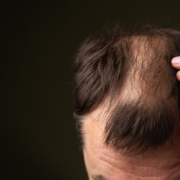
In my previous blog post, I reviewed the natural history of male pattern hair loss, also known as androgenetic alopecia (AGA). In this section, I will discuss some of the newer treatments that have developed in recent years.

Platelet-Rich Plasma (PRP)

Platelet-Rich Plasma (PRP) is a medical procedure that involves having your own blood drawn in the doctor’s office. The blood is then centrifuged, or spun down in specialized equipment that separates the PRP portion from other blood components. PRP is then injected back into the scalp. This is usually done in a series of a few treatments about 1 month apart. Many studies have shown that it can be helpful in increasing the density as well as hair thickness. It is important to note that these studies are small in size with variable results, and that PRP continues to be an evolving area of research. Side effects of PRP are usually mild, most often temporary pain at the injection site. Downtime after the procedure is minimal.

Low-Level Laser Therapy

Low-Level Laser Therapy (LLLT) has become increasingly more prevalent in recent years. It involves emitting low-level lasers or light-emitting diodes (LED) to the scalp. Multiple studies found that using LLLT in the red-light range multiple times a week has shown improvement in hair density as early as 3 months. LLLT appears to be more effective when combined with other therapies, such as topical minoxidil. Side effects are minimal and mild, but include temporary hair shedding, itching, and tenderness of the scalp, as well as acne.

Microneedling

Microneedling is another therapy that can be used for hair loss. It involves using small needles to create micro-wounds in the skin and is used for multiple conditions in dermatology. In hair loss, it is often combined with other agents such as topical minoxidil and PRP. The preliminary data from some studies shows promise, however, this remains an area of continued research.

KeraFactor

KeraFactor is a new treatment for hair loss that is offered in our office. It involves applying a proprietary formula consisting of a combination of growth factors and skin proteins that can improve hair growth. With this in-office treatment, we use a specialized device to make very small channels on the surface of the scalp with minimal discomfort, then apply the KeraFactor serum onto the scalp. The application is then followed by lower level laser (LLLT) to enhance effectiveness. KeraFactor has been shown to improve hair density and hair diameter as well as increase the total hair count.

Hair Transplantation

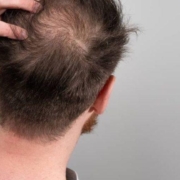
Lastly, hair transplantation is an effective surgical method for hair restoration for certain types of hair loss. During a hair transplant, the hair follicles that are androgen-resistant (most commonly from the back of the scalp) are surgically transferred to the area of hair loss. It can offer long-lasting and natural-looking results. However, not everyone is a good candidate as one must have enough hair that can be transplanted, and the scalp must be healthy enough to grow hair. It is important to discuss whether you are a good candidate with your dermatologist when considering hair transplantation.

The therapies mentioned above as well as in the ones discussed in part one do not cover the entirety of options available for AGA. There are other medications, procedures, and supplements that are available on the market today. The range can be overwhelming! It is always important to have a thorough examination and evaluation and to discuss with your dermatologist the benefits and risks of the plan to determine which is the right one for you.


References:

Shapiro J, Ho A, Sukhdeo K, Yin L, Lo Sicco K. Evaluation of platelet-rich plasma as a treatment for androgenetic alopecia: A randomized controlled trial. J Am Acad Dermatol. 2020 Nov;83(5):1298-1303. doi: 10.1016/j.jaad.2020.07.006. Epub 2020 Jul 9. PMID: 32653577.

Stevens J, Khetarpal S. Platelet-rich plasma for androgenetic alopecia: A review of the literature and proposed treatment protocol. Int J Womens Dermatol. 2018 Sep 21;5(1):46-51. doi: 10.1016/j.ijwd.2018.08.004. PMID: 30809579; PMCID: PMC6374694.

Gupta AK, Quinlan EM, Venkataraman M, Bamimore MA. Microneedling for Hair Loss. J Cosmet Dermatol. 2022 Jan;21(1):108-117. doi: 10.1111/jocd.14525. Epub 2021 Oct 29. PMID: 34714971.

Zito PM, Raggio BS. Hair Transplantation. 2024 Feb 12. In: StatPearls [Internet]. Treasure Island (FL): StatPearls Publishing; 2024 Jan–. PMID: 31613520.

Gupta AK, Danika CA et al. “Progression of surgical hair restoration techniques.” J Cutan Med Surg. 2015 Jan-Feb;28(1):17-21.

American Academy of Dermatology. A Hair Transplant Can Give You Permanent, Natural-looking Results. https://www.aad.org/public/diseases/hair-loss/treatment/transplant. Accessed 12/5/2024

Male Pattern Hair Loss: Part 1

By Koji Ota, MD

Male androgenetic alopecia (AGA), also known as male pattern hair loss, is a very common condition affecting more than 50% of adult men over the age of 50. It is one of the more common concerns that patients bring to a dermatologic practice. In this post we will be discussing the cause of AGA and different treatment options. It is important to note, however, that there are many causes of hair loss, and that it is important to have your hair loss evaluated by a qualified provider to make a proper diagnosis and treatment plan.

Male pattern hair loss: how does it happen?

AGA is driven by androgens which are important hormones for the development and regulation of the human body. Testosterone is the most active androgen in males and is converted to dihydrotestosterone (DHT) by an enzyme called 5-alpha reductase. DHT leads to changes in hair to become thinner and eventually leads to balding.

Genetics play a large role in androgenetic alopecia, contributing to about 80% of susceptibility. Many genes contribute to an individual’s susceptibility to male androgenetic alopecia which explains the diverse range of how hair loss presents in different people.

Treatments, part 1

The two commonly used treatments that are FDA approved for AGA in men are topical minoxidil and oral finasteride.

Topical minoxidil, also commonly known by its brand name Rogaine, is one of the most studied medications for hair loss. Multiple studies have shown efficacy of topical minoxidil in treating AGA in both men and women. It is thought that minoxidil affects the circulation around hair follicles that stimulates growth. It helps hair stay in its growth phase (anagen phase) longer, leading to thicker and fuller hair.

It’s important to note that once this medication is discontinued, hair loss will return. This is the case with most treatments for hair loss so it’s important to understand this is a long-term commitment Additionally, when first starting minoxidil, there can be a period of increased shedding. It typically happens about 2-4 weeks after starting treatment, and can last about 3-6 weeks. This is temporary and the subsequent hair that grows back will be thicker and fuller.

More recently, low dose oral minoxidil has gained popularity as a treatment option of AGA, as many would find taking one pill a day easier to do compared to using a topical solution twice a day. It has shown similar efficacy to topical minoxidil.

Studies have shown that at the low doses that are used for hair loss the medication is considered effective and safe, however, it may not be suitable for everyone. The most common side effect is increased hair growth on other areas of the body other than the scalp. Additionally, minoxidil was originally used at higher doses as a blood pressure medication; side effects are rare at the low dose, but can include leg swelling, dizziness, and EKG changes. It is important to discuss any significant past medical history including any heart issues when discussing initiation of oral minoxidil.

Oral finasteride is another commonly used medication for male pattern hair loss. It works by decreasing production of DHT, which as mentioned before is a key cause of hair loss. It is important to note a small number of patients may experience sexual side effects, such as decreased libido when taking finasteride. It is important to discuss treatment options with your provider to determine which medications are the right ones for you.

In Part 2, we will be further discussing treatment options for AGA in men, including newer and procedural treatments such as platelet-rich plasma, low-level laser light therapy, and others.


Reference

  1. Courtney, A., Triwongwarant, D., Chim, I., Eisman, S., & Sinclair, R. (2023). Evaluating 5 alpha reductase inhibitors for the treatment of male androgenic alopecia. Expert Opinion on Pharmacotherapy, 24(18), 1919–1922. https://doi.org/10.1080/14656566.2023.2280630
  2. Adil A, Godwin M. The effectiveness of treatments for androgenetic alopecia: A systematic review and meta-analysis. J Am Acad Dermatol. 2017 Jul;77(1):136-141.e5. doi: 10.1016/j.jaad.2017.02.054. Epub 2017 Apr 7. PMID: 28396101.
  3. Patel P, Nessel TA, Kumar D D. Minoxidil. [Updated 2023 Feb 24]. In: StatPearls [Internet]. Treasure Island (FL): StatPearls Publishing; 2024 Jan-. Available from: https://www.ncbi.nlm.nih.gov/books/NBK482378/#
  4. Randolph M, Tosti A. Oral minoxidil treatment for hair loss: A review of efficacy and safety. J Am Acad Dermatol. 2021 Mar;84(3):737-746. doi: 10.1016/j.jaad.2020.06.1009. Epub 2020 Jul 2. PMID: 32622136.
  5. Nohria A, Desai D, Sikora M, Mandal S, Shapiro J, Lo Sicco K. Combating “dread shed”: The impact of overlapping topical and oral minoxidil on temporary hair shedding during oral minoxidil initiation. JAAD Int. 2024 Mar 25;15:220-224. doi: 10.1016/j.jdin.2024.03.005. PMID: 38707927; PMCID: PMC11067493.


What is Ozempic Face and What Can You do About It?

By Elena Allbritton, MD

With over 2.3 million views of #ozempicface on TikTok and social media abuzz with stories about “Ozempic face,” numerous articles have been written about the facial changes following rapid and substantial weight loss. The phrase was coined by NY dermatologist Dr. Paul Frank, who observed his patients on weight-loss medications complaining about their gaunt, sagging faces. Although linked with Ozempic, a prescription drug developed to treat diabetes, the real culprit behind “Ozempic Face” is significant weight loss. So is the trade-off for dramatic weight loss a wrinkled, older-appearing face? The short answer is yes, although some people are more susceptible than others.

Source: GrepMed

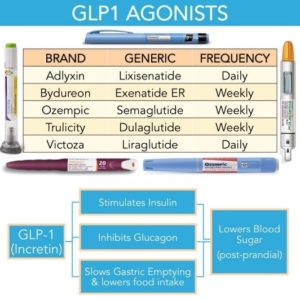
At almost $90 Billion, the U.S. Weight Loss Industry has reached a historic peak. The rise of prescription drugs such as GLP-1 agonists (Ozempic, Wegovy, Rybelsus, Trulicity, Victoza, and Saxenda; semaglutide, dulaglutide, liraglutide) and combination GIP/GLP-1 agonists (Mounjaro and Zepbound; tirzepatide) has significantly affected the diet industry and revolutionized the treatment of obesity and diabetes. Estimates are that one in eight adults has tried one of these medications for weight loss or to manage diabetes.

How do Ozempic and Simular Drugs Work?

Originally designed as a treatment for diabetes, Ozempic works by mimicking the action of the GLP-1 (glucagon-like peptide-1) hormone, which regulates blood sugar levels and slows down digestion, leading to reduced appetite and, ultimately, weight loss. GLP-1 (incretin hormone) is produced by the gut and increases insulin production from the pancreas only when blood sugar levels are elevated. This targeted action reduces the risk of hypoglycemia (low blood sugar), which is a common concern with other diabetes medications

Ozempic is one of several drugs that have gained immense popularity for their off-label use in weight loss. Weight loss from these drugs is significant and can be up to 15-25% of body weight over the course of 1 – 1.5 years.

  • FDA approved for treating diabetes: Ozempic, Trulicity, and Mounjaro (administered by injection weekly or daily (Victoza).
  • Rybelsus is an oral semaglutide GLP-1 agonist taken daily for diabetes management.
  • FDA approved for weight loss: Wegovy (weekly injection semaglutide) and Saxenda (daily injection liraglutide) are the only GLP-1 medications FDA approved for weight loss. Zepbound (weekly injection tirzepatide) GIP/GLP-1 agonist

** Weight management for obesity (body mass index [BMI] ≥ 30) or overweight (BMI ≥ 27) plus at least one weight-related comorbidity such as hypertension, type 2 diabetes, and high cholesterol.

“Ozempic Face” = Rapid Weight Loss Face

When fat loss occurs in the body, it occurs throughout the body and not in a specific area. This effect is not unique to Ozempic and can be seen with any significant weight loss, especially if it happens quickly. However, because Ozempic is so effective, the facial changes can be more pronounced and have led to the moniker “Ozempic face.” Facial fat changes are more noticeable once patients lose 25 to 30 pounds, but it varies based on the starting weight, height, and facial fat composition.

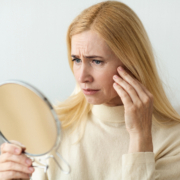
Fat pads in the face provide structure and volume to the face. Loss of the “youthful” fat creates hollowness around the eyes, cheeks, and temples. This skeletal and aged appearance occurs with normal aging as well. Other factors that increase the chances of developing these facial changes include older age (more common in middle-aged patients and older) and patients with less skin elasticity because of lifestyle (sun damage, smoking), genetics, or skin type. Fair-skinned patients tend to have thinner, less elastic skin and are more susceptible to showing signs of “Ozempic face.”

Can You Treat “Ozempic Face” or Reduce the Risk of It?

To manage the skin and facial changes that occur while taking Ozempic and other weight loss drugs, it is important to see your dermatologist or provider for soft tissue fillers. The ideal time to address facial volume loss is when the patient has achieved their weight loss target. Gradual tapering of weight loss medications can help avoid rebound weight gain once patients stop their medications.

  • Dermal fillers replace the volume loss and can create a fuller, more youthful face. There are several FDA-approved forms of fillers that can be injected into areas such as the cheeks, chin, temples, and under eye area. Seeing a licensed, experienced provider can reduce the risks from dermal fillers which include pain, tenderness, swelling, infection, migration of filler, and more significant complications such as vascular occlusion and tissue necrosis. To replace global facial volume loss, it can take a significant amount of filler. In addition to Hyaluronic Acid fillers (Restalyne, Juvederm), biostimulatory fillers such as poly-L-lactic acid (Sculptra) lead to prolonged effects from collagen production.
  • Skin hydration with medical-grade skin care can promote collagen production, improve skin elasticity, and reduce the appearance of wrinkles. Moisturizers with hyaluronic acid and retinoids can improve skin hydration and texture. Consider estrogen supplements for post-menopausal patients to decrease wrinkles and sagging skin.
  • Autologous fat grafting is a longer-term option that may be performed under location anesthesia.
  • Energy-based skin tightening treatments such as Radiofrequency microneedling, Ulthera, or Softwave are typically beneficial in younger patients with better skin elasticity.
  • Surgical treatment (browlift, blepharoplasty, partial or full facelift, and neck lift) may be needed to address loose skin in older patients or those with more significant facial sagging/aging.
  • Decrease risk of “Ozempic Face” by aiming for gradual weight loss (1-2 pounds per week) which gives the skin more time to adjust to changes. Work with your provider to ensure adequate nutrition – supplement with a multivitamin containing iron and Vitamin D and increase protein content to slow lean body mass loss and reduce the risk of hair loss due to telogen effluvium (hair shedding). Titrate the dose of the medication monthly or as needed. Fullness is felt almost immediately on GLP-1 agonists and most patients report decreased cravings. Increase strength training to maintain basal metabolic rate and lean body mass while on medication.

Conclusion

Obesity treatment and weight loss management are increasingly important today. New medications such as GLP-1 agonists and combination GIP/GLP-1 agonists are incredibly effective medications for the treatment of diabetes and people who are clinically obese. However, “off-label” use has been shown to improve numerous conditions associated with insulin resistance (PCOS), resolve prediabetes, and effectively produce weight loss. For providers who are prescribing these medications, it is important to properly counsel patients to manage their weight loss. Ongoing research, novel triple combination agonist drugs, and oral forms of these powerful weight loss medications offer exciting potential benefits to thousands of patients battling obesity. As with any medication, it is essential to weigh the benefits and potential side effects. Educating patients about potential side effects, including “Ozempic face” will help patients manage distressing changes and allow them to effectively lose weight while maintaining their skin health.


Further reading:

  1. https://www.americanboardcosmeticsurgery.org/procedure-learning-center/non-surgical/injectable-fillers-guide/
  2. Blackburn GL, Bistrian BR. Hair loss with rapid weight loss. Arch Dermatol. 1977;113(2):234.
  3. Kobren SD. Misuse of Ozempic for Rapid Weight Loss Can Cause Significant and Perhaps Permanent Hair Loss. Derm Times. May 14, 2023.
  4. Busko M. Does Ozempic Cause Hair Loss? Medscape Dermatology. May 25, 2023.
  5. https://www.medscape.com/viewarticle/992377?form=fpf
  6. https://www.msn.com/en-us/health/other/what-is-ozempic-face-4-doctors-explain-the-buzzword-and-the-misconceptions-behind-it/ar-BB1pTwCS
  7. https://www.today.com/health/ozempic-face-rcna67737
  8. Comparing Ozempic, Wegovy and Other GLP-1 Drugs – GoodRx [Internet]. [cited 2023 Apr 24]. https://www.goodrx.com/classes/glp-1-agonists/glp-1-drugs-comparison
  9. Tayag Y. Ozempic Is About to Be Old News [Internet]. The Atlantic. 2023 [cited 2023 Apr 22]. Available from: https://www.theatlantic.com/health/archive/2023/04/ozempic-wegovy-mounjaro-weight-loss-drug-development-access/673627/
  10. LaRose. U.S. Weight Loss Industry Grows to $90 Billion, Fueled by Obesity Drugs Demand. MarketResearch.com
  11. https://blog.marketresearch.com/u.s.-weight-loss-industry-grows-to-90-billion-fueled-by-obesity-drugs-demand
  12. Karam, J. Nathan. A Review of FDA-Approved Medications for Chronic Weight Management. Drug Tropics. Aug 5, 2021.
  13. https://www.drugtopics.com/view/a-review-of-fda-approved-medications-for-chronic-weight-management
  14. Obesity and overweight. CDC. Updated March 1, 2021. Accessed June 24, 2021. https://ww.cdc.gov/nchs/fastats/obesity-overweight.html

Summer Skin Rashes and How to Prevent Them

summer skin rashes

By Kyleen Davis, FNP

Heading to the beach or another outdoor destination this month? Hidden among the enjoyment of gardening, hiking, and beach outings are potential hazards that can unexpectedly interfere with your summer enjoyment. Read on to learn how to prevent the most common summer skin afflictions.

Seabather’s Eruption and Swimmer’s Itch

Two common skin infestations that can develop in beachgoers are seabather’s eruption and swimmer’s itch. Seabather’s Eruption, also known as sea lice, develops when newly hatched jellyfish or sea anemones get trapped within the swimmer’s swimsuit, fins, or other gear. These barely visible larvae are already equipped with tiny stingers, causing an itchy rash that may burn with scratching or rubbing of the skin. The most common geographic locations for the development of seabather’s eruption are the waters off the Florida coastline, Long Island, New York, and the Caribbean Sea.

Swimmer’s itch, also called clam digger’s itch, occurs when parasites from the water burrow into areas of the skin not covered by a swimsuit. This can lead to intensely itchy hives and blisters. Briskly rubbing the skin with a towel after swimming in potentially infested waters may help to prevent this skin malady. Swimmers should also avoid prolonged contact with warmer, shallow waters where parasites are most abundant.

Rhus Dermatitis

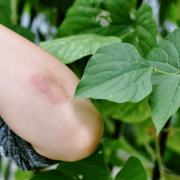
Unfortunately, non-beachgoers also have their share of potential summer hazards. Hikers and gardeners may have their outdoor enjoyment limited by an itchy rash caused by poison ivy, oak, or sumac. The oil from these plants, called urushiol, induces a type of contact dermatitis, known as Rhus dermatitis. If you suspect you have touched a urushiol-containing plant, immediately wash that part of your skin with either rubbing alcohol, dish soap, or laundry detergent and rinse thoroughly with cool water. Avoid scrubbing the skin, which can further spread the plant oil. To improve chances of preventing this unpleasant rash, it is recommended to wash the skin within 10-20 minutes of coming in contact with poisonous plants. The old saying, “leaves of three, let it be!” can be helpful in recognizing which plants to avoid.

Phytophotodermatitis

A lesser-known plant-induced dermatitis, called phytophotodermatitis, is caused when certain plant compounds (furocoumarins) interact with light from the sun to induce a temporary skin change. Because lime juice is a common trigger of phytophotodermatitis, the condition has been nicknamed margarita burn, after bartenders developed the rash when making margarita beverages while in the sun. Any individuals coming in contact with citrus should wash their hands thoroughly before sun exposure. Other foods known to trigger this skin condition include carrots, grapefruit, figs, celery, and parsley.

Insect Bites

Outdoor enthusiasts may also find their summer fun interrupted by insect bites and stings. Not only do bug bites leave the skin feeling itchy and painful, but they may lead to serious disease and harm. Individuals who are allergic to wasps, bees, and hornets should keep emergency medications and antihistamines nearby in case of a sting. Bites from certain ticks can spread Lyme disease, a serious and potentially chronic illness if left untreated. Try to shower and change clothes immediately after being outdoors in woodsy or grassy areas and remember to check yourself and your family members for ticks. Itching caused by minor insect bites, like mosquitoes, can be treated with over-the-counter topical anti-itch medication, such as hydrocortisone.

Heat Rash

Summer weather can be seriously hot. The heat and sweat from the warmer weather can trigger a common skin rash known as prickly heat. When the sweat glands are unable to release heat, tiny itchy bumps erupt, leading to a prickly sensation on the skin. Cooling measures such as air conditioning, fans, and cool compresses can help prevent and treat this condition. Individuals should also wear loose, breathable clothing during the hot summer months.      

Sunburn

No summer skincare article would be complete without a section on preventing sunburn. In addition to causing significant pain and discomfort, sunburn can lead to potentially deadly skin cancers. Unfortunately, sunscreen may not be enough to prevent sunburn. Along with a broad-spectrum sunscreen of at least 30 or more, individuals should seek shade, wear a wide-brimmed hat, and put on sun-protective clothing when outdoors. Patients should be aware that certain medications, like antibiotics and antihypertensives, can increase the risk of sunburn and rash. New dietary supplements containing polypodium leucotomos extract may help mitigate damage caused by the sun when used concurrently with sun protective measures.

It is important to be mindful of the various conditions that individuals are susceptible to during the summer months, to allow them to fully enjoy the season while prioritizing skin care. Remember to schedule a medical visit for any skin eruption that appears serious or persistent.


References:

American Academy of Dermatology, 2024. 12 summer skin problems you can prevent. Available online at: https://www.aad.org/public/everyday-care/skin-care-secrets/routine/prevent-summer-skin-problems.

American Academy of Dermatology, 2024. Poison ivy, oak, and sumac: what should I do if I touch a plant? Available online at: https://www.aad.org/public/everyday-care/itchy-skin/poison-ivy/touch-plant.

Harvard Health Publishing, 2021. Common summer skin rashes. Available online at: https://www.health.harvard.edu/diseases-and-conditions/common-summer-skin-rashes.

Johns Hopkins Medicine, 2024. Common summer skin conditions: what you should know. Available online at: https://www.hopkinsmedicine.org/health/wellness-and-prevention/common-summer-skin-conditions.

U.S. Centers for Disease Control and Prevention, 2022. Identifying poisonous plants. Available online at: https://www.cdc.gov/niosh/topics/plants/identification.html.

Ten Tips for Clear Skin this Summer

As much as we look forward to summer, it can be a tough season for acne sufferers as many people find that acne flares during the warmer months.

Acne develops when the pores in the skin become blocked by a combination of sebum, or oil, and dead skin cells. This allows the bacteria that normally lives on the surface of the skin to multiply within the plugged follicle, leading to inflammation and irritation. Our pores react to heat and humidity by expanding and releasing more oil and sweat, creating the ideal environment for acne flares.

With the plethora of information surrounding acne and the never-ending battle to keep it at bay, you might find yourself lost in a sea of conflicting information on how to best take care of your skin.

Here are 10 tips to help you achieve clear skin this summer

      1. Keep your skin clean by using a gentle cleanser twice a day! This can help fight against the bacterial component of acne and by using gentle cleanser, you are preventing any further inflammation and drying out of the skin. Wash your face when you wake up, before you go to bed, and when you finish an activity that makes you sweat.
      2. Avoid scrubbing the face too much! I know we said to wash the face, but scrubbing aggressively can rupture existing acne lesions, causing the bacteria it contains to spread. Use your fingers to apply cleanser, as a sponge or washcloth can also cause irritation.
      3. Shampoo your hair regularly! What does washing your hair have to do with acne? Cleaning the hair regularly can help fight against oil developing in the hair that can transfer to your face and cause clogged pores.
      4. Avoid touching the face as much as possible! This can also transfer oils onto the skin, further clogging pores and creating acne.
      5. Avoid picking and popping current acne blemishes! This can introduce more bacteria and cause acne to take longer to heal. Plus, it increases your risk of scarring and post-inflammatory hyperpigmentation or darkening of the skin.
      6. Avoid sun exposure! The sun can promote the darkening of existing acne spots. Even worse, the UV exposure from tanning can increase your risk of skin cancer and signs of photodamage in the future. Make sure to use sunscreen with an SPF 30 that is labeled “broad spectrum.” Reapply after swimming or perspiring!
      7. Use oil-free sunscreens and moisturizers! Even on cloudy days, UV rays are able to penetrate through the clouds, so always make sure you are protected. Using oil-free, non-comedogenic sunscreens can help prevent pore obstruction and provide much-needed protection.
      8. Wash caps and hats frequently. Wearing a baseball cap or anything else on your head without washing it (or dry cleaning) allows sweat, dirt, and oil to accumulate. This can cause acne to flare.
      9. Change your sheets and pillowcases at least once a week! Sheets and pillowcases can collect oil and dead skin cells throughout the week, leading to more clogged pores and acne.
      10. Avoid wiping away your sweat! Whether it’s the DC humidity or your favorite workout that has you sweating, rubbing your sweat with a towel can lead to a condition coined “acne mechanica” in which the friction and compression of the skin traps heat and sweat, leading to irritation and worsening acne. Instead, try using a clean towel to blot sweat away from your skin, and make sure to wear loose-fitting clothing while working out!

Adopting these habits in combination with a regimen of topical and or oral medications prescribed just for you can allow you to achieve clear skin and a great summer!


Sources

Clinic, Cleveland. “Why Is Acne Worse in the Summer?” Cleveland Clinic, Cleveland Clinic, 30 July 2021, health.clevelandclinic.org/why-does-my-acne-get-worse-in-the-summer.

Garrick, Nancy. “Acne.” National Institute of Arthritis and Musculoskeletal and Skin Diseases, 1 Sept. 2016, https://www.niams.nih.gov/health-topics/acne

Lockett, Eleesha. “Acne Mechanica: Causes, Treatment, and Prevention.” Healthline, 30 Sept. 2020, www.healthline.com/health/acne-mechanica#pictures. Accessed 12 May 2024.

Ludmann, Paula, and Brooke Schleehauf. “Acne: Tips for Managing.” Www.aad.org, 16 Nov. 2022, www.aad.org/public/diseases/acne/skin-care/tips.

Zaenglein, AL, Pathy AL, et al. “Guidelines of care for the management

Shining a Light on Rosacea

By Laura Monaghan, PA-C

April is Rosacea Awareness Month, dedicated to raising awareness about this common condition affecting around 16 million Americans. What exactly is rosacea, and what are its implications?

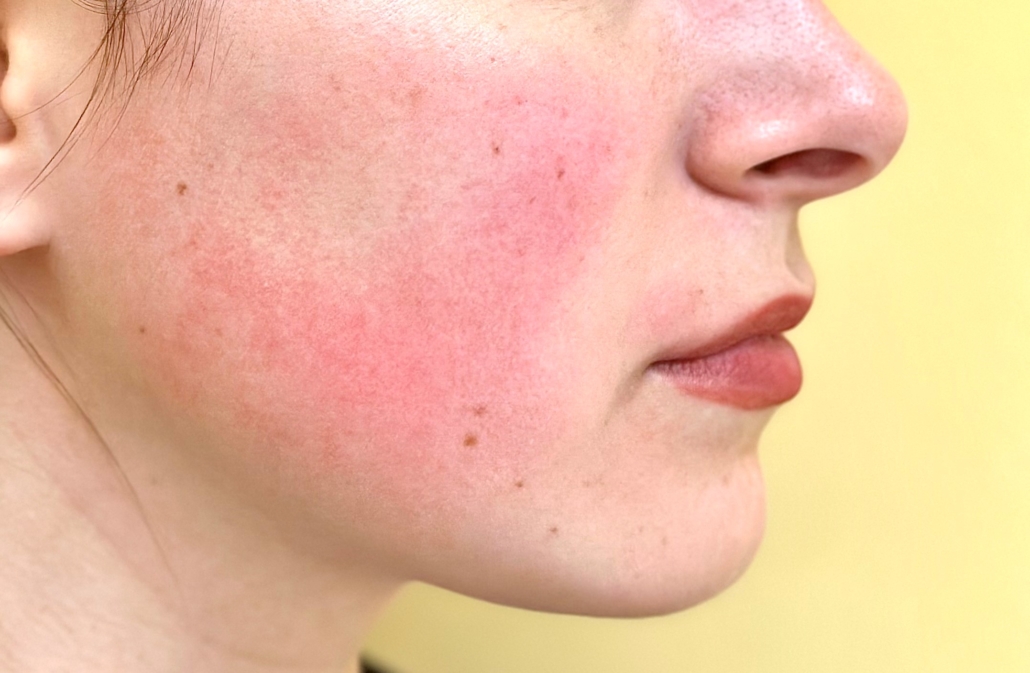
Rosacea is a chronic inflammatory disorder that manifests as facial redness, flushing, acne-like bumps, skin thickening (rhinophyma), and eye redness or irritation. Many people experience facial sensitivity, dryness, and a burning feeling in the skin. Eye involvement can include light sensitivity, a foreign body sensation, and crust on the base of the lashes. A patient may have a combination of symptoms and these can vary over time.

Triggers vary and include spicy foods, alcohol, extreme temperatures, sun and wind exposure, exercise, emotional stress, and certain skincare and makeup products.1 It typically manifests between ages 30-50 and is more common in light-skinned individuals but has been diagnosed in Asians, Latin Americans, African Americans, and Africans.2 The central face is usually involved with men more susceptible to skin thickening. Early signs are often overlooked, delaying treatment, which can lead to worsening severity over time. Awareness is vital for timely detection and management.

Rosacea Myths

While rosacea does have many appearances, there are also many misconceptions to clarify:

  • Rosacea is NOT due to a lack of hygiene. In fact, heavy scrubbing and exfoliants can further irritate rosacea-prone skin and cause a flare.3
  • Rosacea is NOT infectious, despite the implication of Demodex mites. All humans have Demodex mites on their facial skin. Studies show that patients with rosacea tend to carry more Demodex, but there is no evidence that they are a direct cause of the condition.
  • Rosacea does NOT mean that a person is a heavy drinker. While alcohol can cause a temporary increase in symptoms, it is not a sole cause of the condition. 3
  • A diagnosis of rosacea does NOT mean that a patient is destined for thick, red, and bumpy skin on the nose (rhinophyma). This develops in a small subset of patients with severe untreated rosacea.

Nearly 90% of rosacea patients surveyed by the National Rosacea Society report that this condition has lowered their self-esteem. 41% have even canceled or rescheduled social engagements due to a flare. On the contrary, over 70% report that medical treatment has improved their emotional and social well-being. 3 So, what does treatment entail?

Treatments for Rosacea

A simple place to start is with sun protection and moisturizer as ultraviolet (UV) rays and disruption of the skin barrier are known triggers. Proper sun protection entails using a broad-spectrum SPF 30+ sunscreen and reapplying at least every two hours. Mineral sunscreens that contain zinc oxide or titanium dioxide are preferred because they act as physical blocks. This may help reduce the heat that exacerbates rosacea better than chemical sunscreens.

Gentle cleansers, fragrance-free facial moisturizers that contain niacinamide, and avoidance of irritants such as topical alcohol, witch hazel, and exfoliants can help maintain and repair the skin barrier.4 Some other common treatments include antimicrobial and antifungal agents such as sulfur products, topical ivermectin, topical azelaic acid, topical metronidazole, and oral doxycycline. Other agents including oxymetazoline, brimonidine, and oral beta blockers constrict blood vessels to improve redness.

For severe cases, isotretinoin, or Accutane, or another oral acne medication may also be used. Lasers such as the pulsed-dye laser target redness and dilated blood vessels, providing a longer-term solution. Lasers such as the CO2 and erbium YAG lasers have a role in correcting rhinophyma.5

New Rosacea Treatment Options

There are also several new and exciting rosacea treatments currently in development. First is a series of small injections of Botox® spaced evenly across the face. Preliminary studies show benefit not only in redness and flushing but also in acneiform bumps. Second is oral paroxetine, a selective serotonin reuptake inhibitor typically prescribed as an antidepressant. Evidence shows that serotonin can regulate blood vessel dilation and constriction. Finally, a topical low-molecular-weight heparin sulfate analog (blood thinner) has shown efficacy in reducing inflammation associated with rosacea. These developments are promising for the future of rosacea treatment.6 

If you think you may have rosacea, schedule an appointment for further evaluation. Early treatment is key for preventing progression.


Sources

  1. Mayo Foundation for Medical Education and Research. (2023, October 17). Rosacea: Symptoms & causes. Mayo Clinic. https://www.mayoclinic.org/diseases-conditions/rosacea/symptoms-causes/syc-20353815
  2. Gallo RL, Granstein RD, Kang S, Mannis M, Steinhoff M, Tan J, Thiboutot D. (2017, January). Standard classification and pathophysiology of rosacea: The 2017 update by the National Rosacea Society Expert Committee. J Am Acad Dermatol. https://www.jaad.org/article/S0190-9622(17)32297-1/fulltext
  3. Tips for taking action during Rosacea Awareness Month. Rosacea.org. (2022, March 7). https://www.rosacea.org/blog/2022/march/tips-for-taking-action-during-rosacea-awareness-month
  4. Winter woes – tips for skin barrier maintenance. Rosacea.org. (2023, January 11). https://www.rosacea.org/blog/2023/january/winter-woes-tips-for-skin-barrier-maintenance-rosacea
  5. Mayo Foundation for Medical Education and Research. (2023, October 17). Rosacea: Diagnosis & treatment. Mayo Clinic. https://www.mayoclinic.org/diseases-conditions/rosacea/diagnosis-treatment/drc-20353820
  6. McNamara, D. (2024, March). Rosacea: a neurotoxin, an antidepressant, and more emerging options for treatment. Dermatology News, pp. 1–32.

Skin Changes that Signal Heart Problems

By Laura Monaghan, PA-C

While the stores are full of heart-shaped candies and flowery greeting cards, February is also a time to talk about heart health—and not just the Mediterranean diet and exercise routines.  Did you know that the first signs of an underlying heart condition might be in your skin?

Your skin can serve as a window into your overall health and give signs as to what may be going on inside. For example, it becomes dry when we are dehydrated, pale when we lack iron, and yellow from liver disease. Did you know that it can also show signs about potential heart health problems? This American Heart Month, we want you to be aware of what your skin is telling you about your cardiovascular health.

Changes in Skin that Signal Heart Issues

Swelling of Lower Extremities

When monitoring cardiovascular health on the surface, one sign to look for is swelling of the lower extremities, such as your feet, ankles, and lower legs. Over time, chronic swelling can lead to thickened skin, brawny discoloration, and even ulcers, which can be a sign of heart failure. This is when the heart does not pump enough blood to the body. It could also be a sign of chronic venous insufficiency, which is when the veins are unable to sufficiently carry blood against gravity in the legs. Anecdotally, this is one of the most common signs of cardiovascular disease we see in dermatology.

Yellow Bumps Around Eyes

Another potential sign of cardiovascular disease is the development of yellow waxy bumps in the skin, especially on the upper eyelids, called xanthelasma. Xanthelasma bumps are made up of cholesterol deposits. They can indicate elevated blood cholesterol levels, which lead to plaque buildup in blood vessels, blocked arteries, and increased risk for heart attack. Almost half of all patients with xanthelasma have abnormal lipid levels and many also have diabetes or thyroid abnormalities.

Fingers & Nails

Swollen fingers with clubbing, or downturned nails, can be a sign of a lack of oxygen due to cardiac infection, heart, or lung disease. Skin that is turning blue or purple in color, especially with swelling or a mottled pattern, can indicate an underlying blood clot.

Bumps and Lesions on Hands and Feet

Painful bumps and painless red hemorrhagic lesions on the hands and feet, called Osler nodes and Janeway lesions, can be a signs of endocarditis. Endocarditis is inflammation of the inner lining of the heart’s chambers and valves most commonly due to bacterial or fungal infection. Red or purple lines under the nails, called splinter hemorrhages, can also be a sign of endocarditis when paired with a fever and irregular heartbeat.

Psoriasis

Finally, psoriasis, which can present as silvery-white plaques with underlying redness, nail pitting, or psoriatic arthritis is also associated with heart disease. The inflammation from psoriasis can affect the heart; individuals with psoriasis are more likely to have metabolic syndrome, a combination of elevated blood glucose levels, high blood pressure, increased abdominal fat, and high cholesterol.

Signs of Cardiovascular Problems in Children

Another thing to keep in mind is that children can also be at risk of cardiovascular health problems and have their own signs to be aware of. The combination of a sore throat, fever, and a red rash called erythema marginatum can indicate Rheumatic fever. This is a leading cause of heart disease in children resulting from untreated strep throat. Additionally, a very high fever with swollen, cracked, bleeding lips/mouth can indicate Kawasaki disease, which causes blood vessel inflammation that can affect the heart.

Be aware of what your body is telling you, and if you or your sweetheart notice any of these signs, consult with your primary care provider or dermatologist. While keeping up with all the potential problems and concerns can sometimes feel overwhelming, your dermatologist can help you manage your health with annual skin checks. The best Valentine’s gift is good health!


Sources: 

Heart disease: 12 warning signs that appear on your skin. American Academy of Dermatology. (n.d.). https://www.aad.org/public/diseases/a-z/heart-disease-warning-signs

National Psoriasis Foundation. (n.d.). What we know about psoriasis and heart disease. What We Are Learning About Psoriasis and Heart Disease. https://www.psoriasis.org/advance/what-we-know-about-psoriasis-and-heart-disease-part2/

A New Purpose for an Old Hair Loss Therapy

By Kyleen Davis

If you are like many of our patients, you probably read the New York Times. Chances are that you or someone you know came across a recent article about a new and inexpensive treatment that can help grow your hair back. This article, entitled, An Old Medicine Grows New Hair for Pennies a Day, was published in the late summer of last year and quickly began trending. Many of you have brought up this article during your office visits to discuss hair loss.  Others may be curious about the validity of these claims. What are these new therapies? And do they actually work?

About Hair Loss

Unfortunately, hair loss is an extremely common condition, affecting an estimated 50 million men and 30 million women in the United States. The American Academy of Dermatology reports that over half of men will have moderate to severe hair loss by the age of 50. Similarly, more than 50% of women will develop some form of female pattern hair loss by age 79.

Treatments for Hair Loss

The good news is that there are many treatment options available for patients who are struggling with hair loss. Determining the type of hair loss is crucial to tailor the treatment plan to the patient’s specific needs. In dermatology, we can diagnose the type of patient hair loss with a careful history, physical examination, and close-up inspection of the hair follicles, a process known as trichoscopy. Lab work or scalp biopsy may also be ordered to confirm the diagnosis. While multiple types of hair loss, or alopecia, exist, androgenetic alopecia (male and female pattern hair loss) is the most common cause of hair loss in the United States.

Androgenetic alopecia (AGA) has traditionally been treated with topical minoxidil (Rogaine) since the Food and Drug Administration (FDA) approved the 5% solution for men in 1988 and the 2% solution for women in 1991. Prior to its approval, minoxidil’s side effect of hypertrichosis (excessive hair growth) was found incidentally when patients taking this medication at doses of 10-40 mg daily for high blood pressure started to grow more hair. For many years the oral form of minoxidil was avoided as a therapeutic option for hair loss due to potential adverse effects and because topical minoxidil was effective.

New Type of Hair Loss Treatment

That is, until recently when an Australian physician named Dr. Rodney Sinclair conducted a study showing that a fraction of the standard dose of minoxidil could help grow hair with less risk of side effects. Since that time, multiple studies have been conducted on the use of oral minoxidil in the treatment of hair loss. Most studies have demonstrated that low-dose oral minoxidil (LDOM) at doses ranging from 0.25 mg to 2.5 mg per day was generally safe and highly efficacious for the treatment of alopecia, especially for AGA. While a significant portion of patients taking LDOM developed hair growth of the sides of the face and temples, this did not typically result in discontinuation of the medication.

There are several treatments for androgenetic alopecia, including other oral agents, topical therapy, platelet rich plasma (PRP), low level laser therapy, and vitamin supplements. Many of them work well together and each has a specific risk benefit profile that should be considered for an individual patient. The great news is that thinning hair can be improved!


References

American Academy of Dermatology. (2022). What is male pattern hair loss, and can it be treated? Available online at: https://www.aad.org/public/diseases/hair-loss/treatment/male-pattern-hair-loss-treatment.

Beach, R., McDonald, K., & Barrett, B. (2021). Low-dose oral minoxidil for treating alopecia: A 3-year North American retrospective case series. Journal of the American Academy of Dermatology, 84(3), 761-763.

Fabbrocini, G., Cantelli, M., Masara, A., Annunziata, M., Marasca, C., & Cacciapuoti, S. (2018). Female pattern hair loss: A clinical, pathophysiologic, and therapeutic review. International Journal of Women’s Dermatology, 4(4), 203-211.

Heymann, W. (2022). Coming full circle (almost): low dose oral minoxidil for alopecia. American Academy of Dermatology, Dermatology World Insights and Inquiries, 4(1). Available online at: https://www.aad.org/dw/dw-insights-and-inquiries/archive/2022/low-dose-oral-minoxidil-alopecia.

Jimenez-Cauhe, J., Saceda-Corralo, D., Rodrigues-Barata, R., Moreno-Arrones, O., Ortega-Quijano, D., Fernandez-Nieto, D., Jaen-Olasalo, P., & Vano-Galven, S. (2020). Safety of low-dose oral minoxidil treatment for hair loss. A systematic review and pooled-analysis of individual patient data. Journal of Dermatology Research and Therapy, 33(6), e14106.

Kolata, G. (2022). An old medicine grows new hair for pennies a day, doctors say. The New York Times. Available online at: https://www.nytimes.com/2022/08/18/health/minoxidil-hair-loss-pills.html.

Pfizer (Pharmacia & Upjohn Company). (2015). Loniten ™ minoxidil tablets, USP, package insert. Available online at: https://www.accessdata.fda.gov/drugsatfda_docs/label/2015/018154s026lbl.pdf.

Rajab, F. (2022). Low-dose oral minoxidil for hair growth. Dermatology Times, 43(11).

Ramos, P., Sinclair, R., Kasprzak, M., & Miot, H. (2020). Minoxidil 1 mg oral versus minoxidil 5% topical solution for the treatment of female pattern hair loss: A randomized clinical trial. Journal of the American Academy of Dermatology, 82(1), 252-253.

Randolph, M. & Tosti, A. (2021). Oral minoxidil treatment for hair loss: A review of efficacy and safety. Journal of the American Academy of Dermatology, 84(3), 737-746.

Rhodes, T., Girman, C., Savin, R., Kaufman, K., Guo, S., Lilly, F., Siervogel, R., & Chumlea, W. (1998). Prevalence of male pattern hair loss in 18-49 year-old men. Dermatologic Surgery, 24(12), 1330-1332.

Sharma, A., Michelle, L., Juhasz, M., Ramos, P., Mesinkovska, N. (2020). Low dose oral minoxidil as treatment for non-scarring alopecia: a systematic review. International Journal of Dermatology, 59(8), 1013-1019.

Sinclair, R. (2018). Female pattern hair loss: A pilot study investigating combination therapy with low-dose oral minoxidil and spironolactone. International Journal of Dermatology, 57(suppl 65). Available online at: https://www.researchgate.net/profile/Rodney-Sinclair/publication/321756113_Female_pattern_hair_loss_A_pilot_study_investigating_combination_therapy_with_low-dose_oral_minoxidil_and_spironolactone/links/5a81583fa6fdcc0d4bacaa59/Female-pattern-hair-loss-A-pilot-study-investigating-combination-therapy-with-low-dose-oral-minoxidil-and-spironolactone.pdf?origin=publication_detail.

Seasonal Affective Disorder and Your Skin: Understanding the Connection

By Elena Hardy Allbritton, MD

As the temperature drops and the days grow shorter, some people experience a dip in their mood, energy levels, and overall sense of well-being. This phenomenon is commonly referred to as Seasonal Affective Disorder (SAD). While SAD is primarily associated with mood changes, it can also have surprising effects on your skin. In this blog post, we will explore the relationship between Seasonal Affective Disorder and your skin, and offer some healthy ways to combat its effect including some strategies to help you maintain healthy skin during the winter months.

What is Seasonal Affective Disorder (SAD)?

Seasonal Affective Disorder is a form of depression sometimes referred to as “winter depression” because it typically occurs during the fall and winter months when daylight hours are shorter. Women are more commonly affected than men and it typically manifests in younger adults age 18-35. It impacts about 5% of adults or roughly 10 million people in the USA annually.

The decrease in daylight hours is believed to cause a disturbance in the circadian rhythms of the body, which regulates sleep, mood, and other physiological processes. Researchers believe that people with SAD have reduced activity of a brain neurotransmitter called serotonin, which helps regulate mood. Other findings suggest that the overproduction of melatonin, a hormone that is crucial for maintaining normal sleep-wake cycles contributes to the increased sleepiness in patients with SAD. A third factor is lower levels of vitamin D in patients with SAD. Vitamin D and vitamin D responsive elements are found in higher concentrations in the hypothalamus, a region of the brain that contains the circadian rhythm circuitry.

Symptoms of Seasonal Affective Disorder

The most common symptoms of SAD include fatigue, changes in appetite, craving carbohydrate-rich food, weight gain or loss, irritability, difficulty concentrating, and lack of interest in usual activities. However, SAD can also impact your skin in various ways.

Effects of SAD on the Skin:
  1. Dry Skin: During the winter months, low humidity levels and indoor heating systems can lead to dry, flaky, itchy skin. Individuals with SAD may be more prone to dry skin due to hereditary factors and their ability to retain moisture.
  2. Eczema and Psoriasis Flares: SAD can trigger or exacerbate some skin conditions such as eczema and psoriasis. Stress, which is often linked to SAD, can weaken the immune system and lead to flare-ups of these conditions which can further worsen the psychosocial impact of SAD. Patients with psoriasis sometimes experience seasonal depression similar to patients with SAD.
  3. Reduced Collagen Production/Premature Aging: Some Vitamin D is derived from our diets however most vitamin D is produced in the skin when it is exposed to sunlight. Vitamin D is important for the immune system, helps boost serotonin activity, and plays an important role in collagen production. Vitamin D levels in the central nervous system affect the production of serotonin and dopamine, an important neurotransmitter for memory, sense of pleasure/reward, and motivation. Collagen along with Elastin is a key factor responsible for maintaining the skin’s elasticity and preventing premature aging. Individuals with SAD may have lower vitamin D levels which in turn impacts their skin’s overall health and appearance.
  4. Acne: SAD-induced stress can lead to hormonal imbalances and increased sebum production, which may increase the likelihood of acne breakouts.

Coping Strategies for Healthy Skin for People with SAD:

  • Get Adequate Sunlight: Yes, your Dermatologist approves some healthy exposure to natural sunlight, especially for those affected by SAD. While it may be more challenging when the temperatures plummet, try to spend some time outdoors during the daylight hours. Early morning activities in the natural sunlight are preferable to exposure between 10am and 2pm. Even brief exposure such as 20 minutes daily can boost your mood and help your skin get the essential vitamin D that it needs.
  • Use Artificial Light Therapy: Using a lightbox to emulate exposure to natural sunlight can alleviate SAD symptoms in just a few days. The gold standard for light therapy is bright white light (color temperature of 5,000 – 10,000 lux). This type of light helps regulate the body’s internal clock. Red LED light therapy, also known as photobiomodulation or low-level laser therapy, has shown promise in the treatment of various conditions, but its role in addressing SAD is still being debated. Red LED light might positively impact people with SAD by having a positive impact on mood and reducing stress. Red light exposure in the evening may help regulate circadian rhythms by influencing melatonin production.
  • Moisturize: Combat dry skin with a good-quality moisturizer containing ceramides to repair the lipid barrier of the skin and hyaluronic acid to help retain moisture in the skin. Hyaluronic acid also helps promote collagen production.
  • Manage Stress: Stress causes elevated cortisol (“fight-or-flight hormone”) and can weaken the immune system. Finding effective stress management techniques, such as meditation, deep breathing exercises, yoga, hiking outdoors, socializing with others, and talking with a therapist or friend can help reduce the negative impact of stress on your skin.
  • Stay Hydrated: Drinking adequate water is crucial for maintaining overall skin health. Hydration from the inside out can help fight dryness and keep the skin more supple.
  • Eat a Balanced Nutrient-Rich Diet: Vitamins A, C, and D are important for collagen production. Foods rich in antioxidants (berries, citrus fruits, and broccoli) and tryptophan (turkey, bananas) can help alleviate some symptoms.
  • Use Sunscreen: Even on cloudy winter days, UV rays can still harm your skin. Protect yourself when spending time outdoors by applying sunscreen with at least SPF 30. Mineral sunscreens containing zinc or titanium oxide offer more broad spectrum protection against damaging UVA and UVB rays.
  • Seek Professional Help: If your skin conditions worsen during the winter months and it is affecting your quality of life, consult your dermatologist. We can provide targeted advice, customized skin regimens, and treatments for your skin issues.

Grassroots Health Nutrient Research Institute

Conclusion

Seasonal Affective Disorder can have a surprising impact on your skin, from dryness and eczema flare-ups to reduced collagen production and premature aging. To combat these effects, it is important to take steps to care for your skin and your overall wellness during the winter months.

By managing stress, maintaining good skincare habits, and seeking professional help when necessary, you can keep your skin healthy and radiant even in the darkest of seasons. Some people may find that changing geographical locations to be closer to the equator is necessary, however, most people can find relief by adopting certain changes. Remember that your skin is not just an external reflection of your health; it can also be an indicator of your emotional well-being.


Resources for Further Reading

American Academy of Dermatology: https://www.aad.org/

National Institute of Mental Health – Seasonal Affective Disorder: https://www.nimh.nih.gov/health/topics/seasonal-affective-disorder/index.shtml


Sources

12 notable seasonal Affective disorder statistics. HRF. September 4, 2014. Accessed October 30, 2023. https://healthresearchfunding.org/seasonal-affective-disorder-statistics/.

Seasonal affective disorder: Symptoms, causes, diagnosis and treatments. Msn.com. Accessed October 29, 2023. https://www.msn.com/en-us/health/condition/Seasonal-affective-disorder/hp-Seasonal-affective-disorder?source=conditioncdx.

Seasonal Affective Disorder. National Institute of Mental Health. NIH Publication No. 20-MH-8138. https://www.nimh.nih.gov/health/publications/seasonal-affective-disorder.

Stewart, Alan E et al. “Possible contributions of skin pigmentation and vitamin D in a polyfactorial model of seasonal affective disorder.” Medical hypotheses vol. 83,5 (2014): 517-25. doi:10.1016/j.mehy.2014.09.010

Seasonal affective disorder. Mayo Clinic. December 14 2021. https://www.mayoclinic.org/diseases-conditions/seasonal-affective-disorder/symptoms-causes/syc-20364651

How is vitamin D made by the sun different from vitamin D in supplements? Grassroots Health Nutrient Research Institute. May 8 2023. https://www.grassrootshealth.net/blog/vitamin-d-made-sun-different-vitamin-d-supplements/

Excessive Sweating Cause and Treatments

Cause of Excessive Sweating

Do you avoid shaking hands because of excessive sweating? Do you need to change your shirt multiple times a day because of sweating? Sweating beyond the usual amount can interrupt both professional and social life. This excessive sweating is called Hyperhidrosis, a condition where the body’s mechanism for cooling itself (sweating) is overactive – so much so that a person could sweat four or five times more than necessary.2

Who is Affected by Hyperhidrosis?

Hyperhidrosis affects millions of people around the world, nearly 5% of the world’s population.2 This condition’s onset typically occurs between the ages of 14 and 25, although children can be affected as well. It can impact dating and career choices as well as patients’ mental and emotional health.3 Children may avoid school because other kids don’t want to hold their hands, papers and crayons become wet and hard to handle, or they may not be able to grip the climbing bars and bicycle handles.

A study was conducted to further understand the connection between mental health and hyperhidrosis. People with hyperhidrosis have a higher likelihood to have anxiety, depression, and attention deficit disorder, regardless of gender or age.1 “Of the 500 hyperhidrosis patients involved in the study, 13.8 percent had anxiety, 12.4 percent had depression and 6.4 percent had ADD — all rates higher than those reported in the general population. While the severity of patients’ hyperhidrosis and the body location involved didn’t impact the likelihood of having a mental health condition, there was a correlation with the number of body locations affected by hyperhidrosis.” 1 In a separate, international study, it was determined that “the prevalence of anxiety and depression was 21.3% and 27.2%, respectively, in patients with hyperhidrosis compared with 7.5% and 9.7% in those without the disease.”3

Constant sweating leads to physical and emotional discomfort for many patients, but we now have multiple effective treatment options for all ages. Addressing hyperhidrosis can significantly improve quality of life.

Check out this article to learn more about hyperhidrosis treatment options, and give us a call to book an appointment to discuss which treatment is best for you.


Sources:

American Academy of Dermatology. Research Suggests Connection Between Excessive Sweating and Mental Health Conditions. Newswise. 26-Feb-2019. https://www.newswise.com/articles/research-suggests-connection-between-excessive-sweating-and-mental-health-conditions. 1

Defining Hyperhidrosis. International Hyperhidrosis Society. https://www.sweathelp.org/home/defining-hyperhidrosis.html. 2

Lenefsky M, Rice ZP. Hyperhidrosis and Its Impact on Those Living With It. American Journal of Managed Care. 2018; 24:-S0. https://www.ajmc.com/view/hyperhidrosis-and-its-impact–on-those-living-with-it. 3