

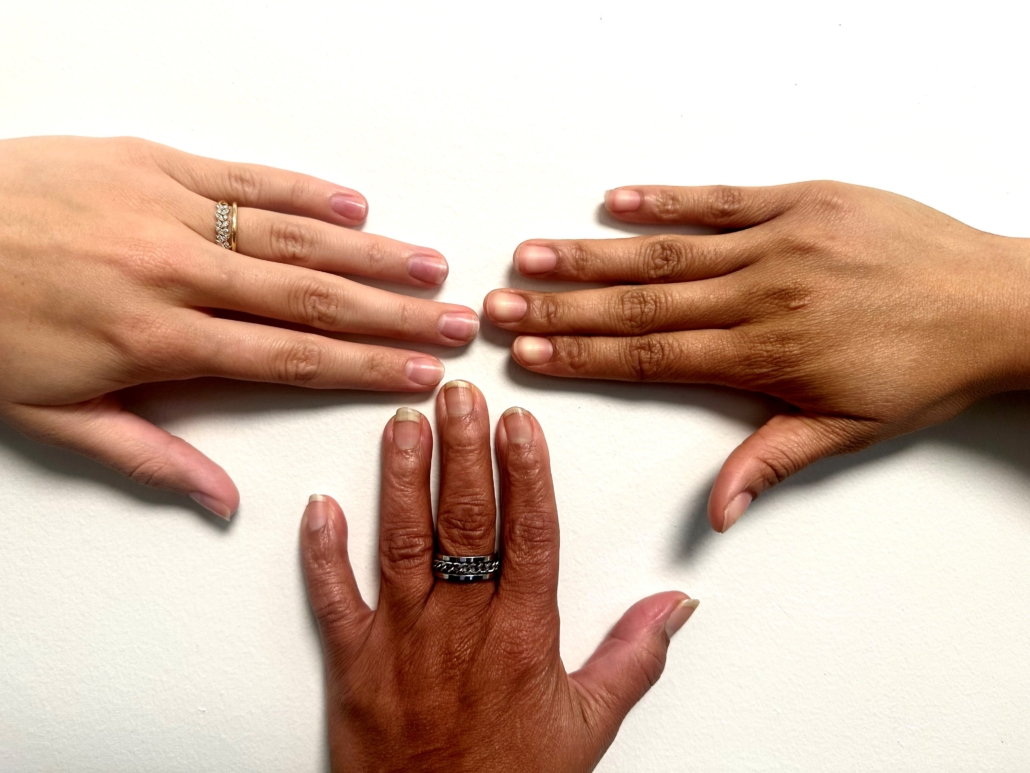
Tips for Nail Health
We decorate them, paint them, and use them daily, but how do we keep our nails healthy? Brittle or fragile nails affect up to 20% of the population. This can be due to age, environmental factors, pregnancy, repeated trauma, medications, and much more! Fragile nails can lead to breakage, splitting, flaking, and chipping. In this blog post I’ll be discussing some Dos and Don’ts of nail care to ensure you keep your nails healthy and strong.
How do our nails grow?
Our nails are composed of multiple layers of tightly packed protein, called keratin, which grows from the nail matrix, an area at the base of the nail below the cuticle. Fingernails grow about 2-3mm per month, with our toenails growing about 1-2mm per month. The rate of their growth is dependent on many factors including age, gender, season, dominant hand, and medications to name a few. Did you know your nails tend to have accelerated growth during the summer months? Keep reading for some tips to keep your nails healthy and strong.
5 Dos of Promoting Healthy Nails
- Keep the nails short: Trimming the nails regularly decreases the risk of trauma to the nail. It is best to cut your nails almost straight across to help protect against ingrown nails. Use a nail file to round the corners to prevent them from snagging onto things and breaking. Tip: If your nails become thick and difficult to cut, soak them in warm water for a few minutes or trim them after getting out of the shower.
- Keep the nails clean and dry: Ensuring you keep your hands, feet, and nails dry can prevent splitting of the nails. Keeping them clean helps prevent bacteria from accumulating underneath the nails. Tip: Wear rubber gloves when doing wet work.
- Keep the nails moisturized: This helps nails remain flexible and protects against splitting or damage. Soaps and household cleansers can dehydrate the hands and nails, so wearing protective gloves while performing household tasks and applying moisturizers are beneficial.
- Wear properly fitted footwear: Wearing the correct size footwear helps prevent injury to the toenails due to trauma from the front of the shoe. Alternating which shoes are worn can reduce repeated injury.
- Take a break between nail polish uses: Acetone-containing nail polish removers can dehydrate the nail plate. Allowing 1-2 weeks between manicures allows the nails time to recover. Use this break to rehydrate your nails with moisturizers. Despite the effect nail polish remover can have, don’t pick nail polish off as this can damage the nail.
5 Don’ts of Promoting Nail Health
- Do not cut your cuticles: The cuticle acts as a protective barrier to the nail matrix; it is inadvisable to cut the cuticle as it allows a route for bacteria to enter.
- Do not bite your fingernails: Nail biting is harmful; it can introduce bacteria, increasing the risk of infection. Additionally, biting nails may be harmful and damaging to your teeth.
- Do not use harsh chemicals on the nails: Harsh chemicals can damage nails, making them more prone to breakage. TIP: Choose an acetone-free polish remover to avoid further drying of the nail.
- Do not use the nails as a tool: Whether opening a can or scraping something off, using your nails to perform activities intended for tools can cause trauma and damage.
- Do not remove hangnails or ingrown nails: When removing a hangnail or ingrown nail improperly, you run the risk of causing further damage. Tearing off a hangnail or unearthing an ingrown nail can injure normal skin and introduce bacteria. Hangnails should be gently clipped with a clean scissor or nail clipper, while the removal of an ingrown nail should be managed by a dermatologist or podiatrist.
When to consult a Dermatologist
The condition of your nails can provide clues about your overall health. Changes in nail appearance or health may signal an underlying illness. If you notice any of the following, make an appointment with us for further evaluation:
- Change in color of the nail: Whether the nail begins to appear white, yellow, green, or black, this could be an indication of an underlying pathology, including infection, anemia, lack of circulation, or even skin cancer.
- Changes in the shape of the nail, including thinning or thickening: Alterations in the thickness or shape of the nails can be due to many conditions such as psoriasis, abnormal thyroid function, circulation or respiratory problems, signs of inadequate nutrition, and gastrointestinal disease, among others.
- Indentations, grooves, or any other changes to the nail surface: You may experience transverse lines, longitudinal ridging, pitting, or small dents of the nails. These can be associated with psoriasis, atopic dermatitis, alopecia, lichen planus, or a prior systemic illness or stress.
- Separation of the nail from the surrounding skin: If the nail begins to lift and separate from the surrounding skin, this could be attributed to underlying mechanisms such as infection, tumors, psoriasis, or injury to the nail.
- Pain or swelling surrounding the nail: Developing redness, tenderness, and swelling around the nail can indicate there is an infection in the area that needs to be addressed.
- Failure of the nail to grow: Lack of nail growth can be due to various etiologies including injury, nutritional deficiencies, psoriasis, lichen planus, or advanced age.
Taking care of your nails is more than just aesthetics, it’s an important part of your overall health. By adopting habits like proper trimming, regular moisturizing, and avoiding harsh chemicals, you can keep your nails in top condition. With the right care and attention, you can maintain nails that are not only healthy and functional but also a source of confidence and style.
References:
- Bolognia JL, Cerroni L, Schaffer JV. Biology of Nails. In: Dermatology. 4th ed. Elsevier Science Health Science; 2017.
- Chessa MA, Iorizzo M, Richert B, et al. Pathogenesis, clinical signs and treatment recommendations in Brittle Nails: A Review. Dermatology and Therapy. 2019;10(1):15-27. doi:10.1007/s13555-019-00338-x
- Draelos ZD. Understanding and Treating Brittle Nails. Cosmetic Dermatology. 2009;22(12).
- Garbers LE, Miola AC, Dias PC, Miot LD, Miot HA, Schmitt JV. Efficacy of 2.5 mg oral biotin versus 5% topical minoxidil in increasing nail growth rate. Experimental Dermatology. 2021;30(9):1322-1323. doi:10.1111/exd.14316
- How to trim your nails. American Academy of Dermatology. Accessed December 11, 2024.https://www.aad.org/public/everyday-care/nail-care-secrets/basics/how-to-trim-nails#:~:text=To%20properly%20trim%20your%20nails%2C%20dermatologists%20recommend%20the%20following%20tips,few%20minutes%20to%20soften%20them.
- Tips for healthy nails. American Academy of Dermatology. Accessed November 25, 2024. https://www.aad.org/public/everyday-care/nail-care-secrets/basics/healthy-nail-tips


