Tag Archive for: Skin Rejuvenation

A Dermatology Expert’s Guide to Safe At-Home LED Masks & Microcurrent Tools

By Joan Pohutsky, DNP, NP-BC

At-home skincare technology is everywhere—from LED face masks to microcurrent “facelift” tools that promise glow, lift, and firmness. As dermatology providers, we want patients to feel empowered about their skin. But with so many gadgets on the market, using them safely and effectively is essential.

This guide breaks down what LED masks and microcurrent tools can (and can’t) do, how to choose a safe device, and when to talk with your dermatology provider.

What Are LED Masks?

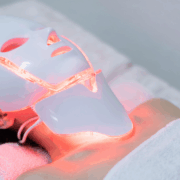
LED (light-emitting diode) therapy uses specific wavelengths of light to target skin concerns without heat or skin damage.

Common wavelengths and their roles:
– Red light (630–660 nm): Helps boost collagen, reduce inflammation, and improve fine lines over time.
– Blue light (415 nm): Targets acne-causing bacteria and can help reduce breakouts.
– Near-infrared light (830–850 nm): Penetrates more deeply to support healing and overall skin rejuvenation.

Science-backed:
Studies show that FDA-cleared at-home LED masks can improve acne, texture, and mild signs of aging when they’re used consistently and correctly.

Important:
– Choose FDA-cleared devices.
– Follow the manufacturer’s instructions for time and frequency of use.
– Protect your eyes with built-in shields or goggles.

What Are Microcurrent Tools?

Microcurrent devices deliver low-level electrical currents through the skin to:
– Gently stimulate facial muscles
– Enhance circulation
– Support cellular energy (ATP), which may help skin function more efficiently

Early research suggests microcurrent tools may help improve:
– Skin tone and elasticity
– Mild facial contouring
– Overall firmness and a lifted appearance

However, results vary, and these devices should be viewed as supportive tools, not replacements for professional treatments.

Why People Love These Devices

– Convenience: Spa-style treatment at home, on your schedule
– No downtime: Gentle and non-invasive
– Tech appeal: Great for people who enjoy smart skincare and gadgets

The Science in Brief

LED masks:
When FDA-cleared and used as directed, LED therapy is generally safe and can help with:
– Acne
– Redness and inflammation
– Fine lines and mild texture issues

Microcurrent tools:
Evidence is promising for better tone and subtle contouring, but research is still developing. Think of these as adjuncts to—not substitutes for—professional care and a solid skincare routine.

How to Choose a Safe Device

LED Masks: Look For

– FDA clearance for home use
– Clearly listed wavelengths (e.g., 630 nm red, 415 nm blue)
– Built-in eye protection or the option to use separate goggles
– Assurance of no UV light and no significant heat emission

Microcurrent Tools: Look For

– Transparent safety information and certifications
– Adjustable intensity levels so you can start low and increase as tolerated
– Clear instructions and guidance for home users

Avoid microcurrent tools or talk to your medical provider first if you have:

– A pacemaker or other implanted electronic device
– A history of epilepsy or seizures
– You are pregnant, unless specifically cleared by your obstetric and dermatology providers

Safe Use Tips from Your Dermatology Team

LED Masks

1. Start with clean, dry skin.
2. Use protective goggles if your mask doesn’t fully shield your eyes.
3. Follow the device’s instructions—typically 10–20 minutes, 3–5 times per week.
4. Stop use if you feel pain, heat, or discomfort.
5. Be patient and consistent—visible results often take 6–8 weeks.

Microcurrent Devices

1. Apply a conductive gel before using the device to help the current pass safely and comfortably.
2. Start with the lowest setting; you may feel a mild tingle, but it should not be painful.
3. Use for about 5–10 minutes, 2–3 times per week, or as directed.
4. Avoid:

– Broken, irritated, or infected skin
– Areas with active skin conditions, unless cleared by your provider
– Use if you have medical contraindications

Who Benefits Most?

Good candidates include people with:

– Mild skin aging (fine lines, early laxity)
– Texture issues or dullness
– Acne-prone skin in maintenance mode (especially with blue or combination LED)

These devices are usually not ideal for:

– Severe laxity or sagging
– Deep wrinkles
– Melasma (some light-based devices can worsen pigment issues)
– Anyone unwilling to use proper eye protection, follow instructions, or apply sunscreen regularly

Common Mistakes to Avoid

– Buying cheap, uncertified devices from unverified sellers
– Expecting instant or dramatic results
– Ignoring medical contraindications (e.g., pacemakers, seizure disorders)
– Skipping daily sunscreen, which undermines any anti-aging benefit
– Using devices on irritated, inflamed, or sunburned skin

When to Consult a Dermatology Professional

At-home LED masks and microcurrent tools can be helpful additions to your skincare routine, but they work best when:

– You’re using the right device for your skin type and concerns
– You understand realistic goals and limitations
– They’re integrated with professional treatments and medical-grade skincare when appropriate

Next step:

Schedule a consultation with us to:
– Review your current skincare routine and how it impacts your skin health
– Decide whether an LED mask or microcurrent device makes sense for you
– Build a customized plan that keeps your skin healthy and radiant


References

Ablon, G. (2018). Phototherapy with light emitting diodes: Treating a broad range of medical and aesthetic conditions in dermatology. Journal of Clinical and Aesthetic Dermatology, 11(2), 21–27. https://www.ncbi.nlm.nih.gov/pmc/articles/PMC5843358/

American Academy of Dermatology Association. (2024, September 13). Is red light therapy right for your skin? https://www.aad.org/public/cosmetic/safety/red-light-therapy

Bu, P., Duan, R., Luo, J., Yang, T., Liu, N., & Wen, C. (2024). Development of home beauty devices for facial rejuvenation: Establishment of efficacy evaluation system. Clinical, Cosmetic and Investigational Dermatology, 17, 553–563. https://doi.org/10.2147/CCID.S449599

Taking Control of Your Skin Care Routine

By Koji Ota, MD

If you don’t have a daily skin care routine, it can feel overwhelming to start one. -There is a dizzying amount of information and recommendations, whether it be from skin care brands advertising their products or a TikTok influencer raving about the newest skin care hack. Contrary to some recommendations, you don’t need 12 steps or to break the bank to have an effective skin care routine. Here are some recommendations to get you started:

Basic Skin Care Routine

A basic skin care routine starts with a gentle cleanser, moisturizer, and sunscreen.

  • Cleanser is the important first step in a skin care regimen to clean the oil, dirt, sweat, make-up, and pollutants that accumulate on your skin throughout the day. This helps prevent clogged pores and breakouts, as well as prepare your skin for other skin care products to penetrate properly into your skin. Generally, you should select a gentle cleanser that will not overly strip your skin of moisture and oil that can lead to dryness and irritation.

Some cleansers can contain ingredients that address specific skincare problems, such as benzoyl peroxide or salicylic acid to treat acne, or some with chemical exfoliants such as glycolic acid that can help reveal a brighter complexion and correct an uneven skin tone. It’s important not to overuse these products as they can lead to irritation of the skin.

  • A facial moisturizer should be applied every day to keep your skin hydrated. Dry skin can lead to flaking, and redness, and make it more prone to irritation. A moisturizer should be selected based on your skin type. For anyone with dry skin, or during dry and colder months, a thicker, more hydrating moisturizer may be needed to keep your skin adequately hydrated.
  • Sunscreen is one of the most important steps in a skin care routine. Anytime you plan to be outside during the day, you should apply sunscreen with SPF 30 or higher. This will protect your skin from the sun’s harmful ultraviolet rays which lead to accelerated skin aging and increased risk of skin cancer.


Next Steps

Once you have the basics down, you can consider adding more products that contain active ingredients to address your specific concerns. Next, we will review vitamin C and retinoids.

  • Vitamin C is a potent antioxidant that can protect the skin against environmental factors including sun damage and pollution. When used consistently, it can help reduce the appearance of dark spots on your skin, improve skin complexion, and help slow skin aging.

There are many formulations of vitamin C including creams and serums. Some formulations may cause irritation and lead to breakouts, so it’s important to select the products based on your specific skin type. Vitamin C should generally be applied in the morning, after cleansing and before sunscreen.

  • Retinoids are a group of Vitamin A-derived chemicals that have a wide range of uses in dermatology. They are one of the most effective types of products to improve acne, fine lines and wrinkles, even skin tone, and correct dark spots.

Retinoids can vary from over-the-counter retinols to prescription medications, most often prescribed to treat acne. They should generally be used at night, after cleansing and before application of moisturizers.

It is important to note that retinoids can be drying and irritating to the skin, so you should only apply a pea-sized amount to your whole face, and to start slow; for example I generally advise my patients to start using retinoids once every other day for a couple of weeks and increasing frequency to every night if you are not having irritation. One strategy that helps reduce the irritation of retinoids is to do a “moisturizer sandwich,” where you apply a layer of moisturizer before the retinoid, followed by another layer of moisturizer after the retinoid. Retinoids should not be used by anyone that is pregnant or is actively trying to conceive.

If you have any specific questions or concerns about building a skin care routine, or if you have a skin condition, talk to a dermatologist who can help you build a skin care routine that is tailored to your specific skin needs.


References

Al-Niaimi F, Chiang NYZ. Topical Vitamin C and the Skin: Mechanisms of Action and Clinical Applications. J Clin Aesthet Dermatol. 2017 Jul;10(7):14-17. Epub 2017 Jul 1. PMID: 29104718; PMCID: PMC5605218.

Farris P. SUPPLEMENT ARTICLE: Retinol: The Ideal Retinoid for Cosmetic Solutions. J Drugs Dermatol. 2022 Jul 1;21(7):s4-s10. doi: 10.36849/JDD.SO722. PMID: 35816071.

Ludman, P. Dermatologist-recommended Skin Care for your 20s. American Academy of Dermatology. Accessed 2/16/2025. https://www.aad.org/public/everyday-care/skin-care-basics/care/skin-care-in-your-20s

Skin Care In Your 40s and 50s. American Academy of Dermatology. Accessed 2/16/2025 https://www.aad.org/public/everyday-care/skin-care-basics/care/skin-care-in-your-40s-and-50s

Treating Photoaging with PRP Microneedling

By Dr. Elena Allbritton 

What is photoaging?

Exposure of the skin to the sun’s rays can cause some short-term changes such as sunburns but eventually, it will take a toll on the skin and lead to more long-term consequences. Sun damage to the skin is referred to by several names, including photodamage, solar damage, and photoaging. When ultraviolet (UV) light from the sun or other light sources such as tanning booths, hits skin unprotected by sunscreen, DNA changes occur at a cellular level. Some of the changes happen in the deeper dermal layers of the skin and take years to become visible. Photoaging can also lead to skin cancer.  

Who is susceptible to photoaging?

The short answer is everyone is susceptible to photoaging. The amount of photodamage to the skin depends on skin type, geographical factors such as latitude, and the amount of unprotected sun exposure sustained over time. Individuals with lighter skin tones are more susceptible to photoaging and skin cancer than those with darker skin tones. However, people with darker skin tones can still sustain photodamage, and develop skin cancer and dyspigmentation such as melasma.  

What does the UV index have to do with photoagaing?

The UV index was created to help provide daily guidelines for safer sun exposure and is important in the assessment of harmful UV exposure. Geographical factors, cultural practices, and accessibility to UV protection all play a role in the amount of photodamage and photoaging an individual may experience.  

How to protect against premature aging and treat photodamage: 

  • Limit unprotected skin exposure. The American Academy of Dermatology recommends avoiding exposure during peak hours between 10am and 2pm, wearing broad spectrum mineral sunscreen that protects best against both UVA and UVB, and wearing sun-protective clothing (UPF40+) and sunglasses.
  • Pay attention to the UV index in your location.
  • Reduce inflammation and free radical formation through good nutrition. Antioxidants such as vitamins C and E, lipoic acid, and coenzyme Q scavenge oxidative free radicals generated by solar radiation. 
  • Practice good daily skin care using products containing medical-grade antioxidants, hyaluronic acid for hydration, and retinoids (tretinoin, tazarotene, and adapalene). ** See your dermatologist for a daily skin care regimen consultation to determine what products will work best for your skin.
  • There are many treatment options to improve photoaging. PRP with microneedling is a minimally invasive method of naturally regenerating facial skin. 

What is Platelet-rich plasma (PRP)?

A platelet-rich plasma (PRP) treatment is a relatively simple process that uses the patient’s own growth factors. The patient’s blood is centrifuged, or spun down, to increase the concentration of platelets and includes a mixture of cytokines and growth factors. There is no concern about rejection or disease transmission because it is manufactured from the patient’s own blood. This mixture has anti-inflammatory properties and can be used to stimulate healing.

PRP has been used for years to treat athletes with sports injuries, augment healing and speed recovery from surgery, and to treat degenerative conditions such as osteoarthritis. PRP is also being used to treat acne scars and hair loss such as androgenetic alopecia. It can also be used with microneedling for facial rejuvenation.  

PRP with microneedling

Platelet-rich plasma with microneedling is minimally invasive and rarely causes side effects. The most common side effects are discomfort or bruising at the injection sites. PRP treatments can have varying levels of success with different patients. This may be due in part to the concentration or health of the platelets and growth factors. It is advised to stop taking nonsteroidal anti-inflammatory medications (NSAIDs) such as ibuprofen, aspirin, and naproxen, for 2 weeks in advance of PRP treatment because these medications can impair platelet function and increase bleeding risk.  

What is microneedling?

Microneedling is a safe technique that uses sterile needles for controlled micro-injuries to the skin which stimulate the natural healing process. Tiny micro channels are opened in the skin which allow the growth factors and platelets in PRP to penetrate deeper into the skin. When compared with microneedling alone, PRP plus microneedling can significantly improve the visual appearance of photoaged skin.

Animal studies using PRP show decreased oxidative stress, inflammation, and inhibition of skin cell death leading to improved skin photoaging. Growth factors in PRP stimulate fibroblasts and induce new collagen production. Patient satisfaction tends to be higher with the addition of PRP. Pigmentation, telangiectasias as well as wrinkles are improved which reduces the signs of photodamage.

What to expect when getting Microneedling with PRP

During the procedure, topical numbing cream is used so the patient experiences only mild discomfort. After treatment, there is some mild redness for 24-48 hours. It is recommended that patients avoid exercise for 24 hours after treatment. Mild peeling of the skin can occur several days after treatment. Most patients experience a healthy glow after the first treatment, especially when PRP is added. A series of 3-6 treatments is recommended for the best results. Optimal results occur after 2-3 months due to the production of new collagen and elastin.  

The main benefits of microneedling with PRP: 

  • Collagen production and skin tightening
  • Improvement in skin texture
  • Minimizing of fine lines and wrinkles
  • Improvement in skin tone and discoloration
  • Minimizing pore size
  • Reduction in acne scarring, the appearance of stretch marks, or other types of scars

Interested in microneedling with PRP? Book an appointment with us for a consultation to discuss the best treatment options for you and your skin. Give us a call at 301-652-8081.


Other resources for information: 

  1. https://www.mdanderson.org/publications/focused-on-health/what-s-the-difference-between-uva-and-uvb-rays-.h15-1592991.html
  2. Comprehensive Review of Ultraviolet Radiation and the Current Status on Sunscreens from PMC Labs: https://www.ncbi.nlm.nih.gov/pmc/articles/PMC3460660/
  3. Yan, B., & A., J. (2014). Ultraviolet Radiation, Aging and the Skin: Prevention of Damage by Topical cAMP Manipulation. Molecules, 19(5), 6202-6219. https://doi.org/10.3390/molecules19056202
  4. https://healthmatch.io/blog/top-20-skin-cancer-hot-spots-in-the-world-and-why-theyre-on-the-list
  5. Ultraviolet (UV) Radiation from the Aim at Melanoma Foundation: https://www.aimatmelanoma.org/melanoma-101/prevention/what-is-ultraviolet-uv-radiation/
  6.  American Academy of Dermatology. Prevent skin cancer. 2021. https://www.aad.org/public/diseases/skin-cancer/prevent/how. Cited 1 Oct 2021.
  7. Poon F, Kang S, Chien A. Mechanisms and treatments of photoaging. Photodermatol Photoimmunol Photomed 2015; 31: 65–74.
  8. Fisher GJ, Kang S, Varani J et al. Mechanisms of photoaging and chronological skin aging. Arch Dermatol 2002; 138: 1462–1470.
  9. Kang S, Fisher GJ, Voorhees JJ. Photoaging: pathogenesis, prevention and treatment. In: Gilchrest BA, ed. Geriatric dermatology. Philadelphia: WB Saunders, 2001, 643.
  10. Yaar M, Gilchrest B. Photoageing: mechanism, prevention and therapy. Br J Dermatol 2007; 157: 874–877.
  11. Sambandan D, Ratner D. Sunscreens: an overview and update. J Am Acad Dermatol 2011; 64: 748–758.
  12. Graf J. Antioxidants and skin care: the essentials. Plast Reconstr Surg 2010; 125: 378–383
  13. Charles-de-Sá L, Gontijo-de-Amorim NF, Takiya CM, et al. Effect of use of platelet-rich plasma (PRP) in skin with intrinsic aging process. Aesthet Surg J. 2018;38(3):321-328. 
  14. Alam M, Hughart R, Champlain A, et al. Effect of Platelet-Rich Plasma Injections for Rejuvenation of Photoaged Facial Skin. JAMA Dermatol 2018 Dec; 154(12):1447-1452.

A Guide to Looking Great

Always Looking Our Best

The internet has become the primary mode of communicating who we are. Even pre-pandemic, it reached such dominance that nearly every professional has a presence on the web. On any given business’ website there is a tab highlighting “Our Team,” linking to bio’s and smiling head shots, with everyone trying to look their best. And now with ubiquitous video and webcam meetings, we are all examining our screen images with increased scrutiny. Projecting an attractive and healthy image unquestionably has advantages in the workplace. Men are increasingly recognizing this phenomenon and seeking facial rejuvenation procedures to improve appearance.

Facial Injections and Fillers

Our male patients want significant and totally natural results with minimal downtime – and injections can fit that criteria. This may be why cosmetic injections in men have increased by about 80% in the last 10 years. Men gravitate to injectables like Botox which work effectively but subtly to relax frown lines and crow’s feet around the eyes. Fillers have a role in softening the deep, etched lines of facial expressions.

Treatment Designed for Men

Facial rejuvenation using injections is not a one-size, or one-gender, fits-all process, however. I like to tailor treatments to address individual goals and anatomic structure. To achieve a natural look for a man, for instance, our approach to the patient may be entirely different than it is for a woman. With men, restoring a prominent jaw and chin line can be vital. Men’s eyebrows shouldn’t be overly arched, which can be feminizing. Likewise, men’s facial muscles may be larger in mass than women’s, requiring higher dosages.

Laser Treatments for Rejuvenation

Years of sun exposure can leave the face looking rough, wrinkled and with irregular pigmentation. Laser Skin Resurfacing generates entirely new skin and improved photodamage. Vascular lasers reduce blood vessels and even out a ruddy complexion better than any other treatment. An occasional side effect of some laser surgery is mild bruising, which is temporary and easily hidden with tinted sunscreen. We can also reduce the laser’s power, increase the number of treatments and minimize the side effects.

What is Microneedling?

RadioFrequency (RF) Microneedling results in dramatic skin tightening, wrinkle reduction and improvement of acne scars. Patients experience a sunburn-like redness but can return to work the next day, making this an ideal procedure for a busy professional. RF microneedling delivers energy into the skin with minute sterile needles, stimulating the natural growth of collagen and elastin. After three treatments spaced about a month apart, the jaw line becomes more defined and skin texture dramatically improved. A less tired look and vibrant healthy skin can be achieved without a lot of downtime.

How Dermatologists Can Help

While women have more frequently sought age reversing skin treatments, men are rapidly closing that gap. For both men and woman, we listen to our patients, understand their goals and work with their unique features to create a treatment plan that can help them look their best, most natural self. Contact us to schedule a consultation to discuss your facial rejuvenation treatment options.

Exercising Your Skin

Happy 2020! It’s a new year, a new decade, and a great time to cultivate habits that improve your health and well-being. If you’re like me, exercise is on your list of resolutions. There is tremendous evidence demonstrating the myriad benefits of physical activity: it’s vital for muscles, bone and cardiovascular system, improves mood and memory, decreases depression, helps with weight loss, increases energy levels and reduces risk of chronic disease.

And here is one more reason to add exercise to your list of resolutions: a healthy body translates into healthy skin.

Research shows that moderate exercise itself can act as an antioxidant[1]. Oxidative stress leads to chronic inflammation and collagen fragmentation, resulting in older looking skin[2].  Antioxidants help protect against these changes.

But did you know that exercising the skin itself might improve appearance? A Northwestern University study by Dr. Murad Alam studied the effects of at-home facial exercises. Women were trained by a certified instructor (www.happyfaceyoga.com) who specializes in resistance exercises for the muscles in the face.

The program, developed by Gary Sikorski of Providence, Rhode Island,  targets the muscles below the skin and fat layers in order to compensate for “age-related volume loss.” Blinded observers found that women who practiced 30 minute face yoga every day or every other day for 20 weeks had significant improvement in upper and lower cheek fullness[3]. The participants were consistently satisfied with their improvement.

This was a small study, limited to middle-aged women, and there was no control group. Nonetheless, it’s intriguing to consider that regular, specific facial exercises might increase muscle size and thus produce facial fullness. Exercising other parts of the body can tone and firm, why not on the face? All it takes is a little self-discipline. Probably easier said than done, but I’m going to give it a try!


[1] Gomez-Cabrera MC, Domenech E, Vina J “Moderate exercise is an antioxidant: upregulation of antioxidant genes by training.” Free Radic Biol Med 2008; 44 (2): 126-31.

[2] Kruk J, Duchnik E “Oxidative stress and skin diseases: possible role of physical activity.”  Asian Pac J Cancer Prev 2014: 15(2) 561-8.

[3] Alam MA, Walter AJ, Geisler A, Roongpisuthipong, W, Sikorski G, Tung R, Poon E “Association of Facial Exercise with Appearance of Aging.”.  JAMA Dermatol 2018: 154(3): 365-7.

How Dermatologists Use Lasers and Other Light-Based Devices

In the half century since Dr. Leon Goldman pioneered the medical application of lasers, they have become integral to state-of-the- art dermatology practices. So how do dermatologists use lasers and other light-based devices?

Uses for Laser, Light and Energy-based Devices

Remove unwanted hair

Lasers remove unwanted hair from the face and body by targeting the pigment of the hair and damaging its follicle so that hair growth is slowed. In order for lasers to be effective, the hair must be treated while in its “active growth” phase. This is why multiple (usually six to eight) treatments, spaced four weeks apart on the face, and as much as eight weeks apart on the body, are needed to achieve good results. The same lasers are also effective for excessive sweating or hyperhidrosis. Note: Only specific lasers are appropriate for darker skin types, and those with tanned skin should avoid the treatment.

Do away with those age spots

Sun damage and aging can result in unwanted brown spots, called lentigines, on sun-exposed areas such as the face, chest and hands. Those spots can successfully be treated with Q-switched lasers and IPL (Intense Pulsed Light) devices. Several treatments may be required to achieve optimal results.

Treat redness and broken blood vessels

Lasers are effective at treating skin redness from conditions such as rosacea as well as benign vascular growths such as angiomas and broken blood vessels that can occur from sun damage. The treatment works because lasers at certain wavelengths can target hemoglobin that is found in blood. Typically one to a few treatments may be needed for optimal results. It is important to use a broad-spectrum sunscreen after the treatment.

Banish those breakouts

Lasers and light-based devices can successfully treat mild to moderate acne. While conventional methods to get rid of acne include topical and oral medications, such as antibiotics and retinoids, the use of photodynamic therapy can be effective in achieving long-lasting clear skin. Photodynamic therapy combines the use of a photosensitizing chemical that is absorbed both by the oil glands and the bacteria that produce acne – followed by a light source or laser to activate the chemical. This results in shrinkage of the oil glands and killing of the bacteria.

Refresh and rejuvenate

A newer generation of devices today allows for skin resurfacing that removes the top layer of skin to eliminate signs of aging and photodamage such as fine lines, wrinkles, crepiness and brown spots as well as reducing enlarged pores – all with minimal downtime.

Soften the look of scars

Lasers can improve the appearance of scars – whether they were caused by acne, trauma or surgery. Some devices – like the pulsed dye laser – can help reduce the redness associated with scars. Fractional resurfacing lasers can successfully improve a scar’s texture and tone. Depending on which device is used, there may be a period of downtime following the treatment and a need for several treatments.

Take care of that ‘turkey neck’

With age comes a loss in collagen, which can result in loose skin on the neck and under the chin – affectionately known as “turkey neck.” Fortunately, there are non-invasive technologies that utilize ultrasound and radiofrequency to stimulate collagen production – resulting in skin tightening and lifting. These treatments also can be used for wrinkles on the décolletage, that crepe-paper look on the upper chest.

Rethink the ink

Fortunately there are options for those 20 percent of people who experience tattoo regret. Q-switched lasers have been used for decades to heat up and destroy the tattoo ink particles, usually over multiple treatments. Newer technology using ultra-short bursts of energy can achieve the same results in fewer treatments.

If you think one of these treatments could be right for you, contact us to schedule a consultation. Located in Chevy Chase, MD, our dermatology office serves the greater Washington D.C. area.

What Can Be Done For Aging Hands?

Did you know that your hands can reveal your true age, well before other areas of the body begin show signs of aging? While aging of the hands typically begins by age 50, with the first signs being discoloration and age spots, hands can start to age sooner if individuals are frequently exposed to the sun without the proper protection. By age 50-60, people also tend to lose volume in their hands, making veins and tendons more prominent and further contributing to aging hands. The good news is there are treatments available that can slow or reverse some of the signs of aging hands. Treatments can be tailored to the individual, depending on their specific concern:

Age spots:

Pigment-specific lasers are used to treat dark brown spots on the hand by delivering a beam of light that penetrates the skin surface. Following treatment, brown spots appear darker for about a week and then will scab, fall off, and turn pink as the skin begins to heal. One to two treatments are usually needed before improvement is noted. Results can last for years as long as proper care is taken to avoid sun exposure to these areas.

Topical retinoids and bleaching creams, like hydroquinone, can also be used to diminish the appearance of dark spots. They can be used either alone, or in combination with lasers, to reduce the appearance of age spots.

Volume loss:

Injecting fillers into the back of the hand is a quick, in-office procedure that can be achieved by using a non-allergic product called calcium hydroxylapatite. Results are immediate and can last for 1-2 years.

Applying a lotion or cream after washing your hands helps to trap water in your skin, and can provide a temporary plumping effect.

Rough, scaly patches:

If you have fair skin and spent a lot of time in the sun, you may notice rough spots or patches on your hands. These rough patches may be actinic keratoses (AKs), which are pre-cancerous growths that need to be evaluated and treated by a dermatologist. Liquid nitrogen (cryotherapy) can treat the individual AKs, while topical medicated creams or photodynamic therapy can treat the entire area at once.

Wrinkly “crepey” skin:

Applying sunscreen to your hands every day can prevent wrinkly skin on your hands. To treat wrinkles that are already there, your dermatologist may recommend a lotion containing retinol or glycolic acid or light chemical peels.

Radiofrequency treatments, which use heat directed deep into the skin, can help tighten loose skin. Most people only need 2-3 treatments on their hands to see results.

Brittle nails:

Brittle, aging nails typically present as lines running lengthwise on your nails, appearing like ridges. You may also notice that your nails peel or break easily. Certain activities such as cleaning with harsh chemicals or spending a lot of time with wet hands, can cause brittle nails, so it is important to wear rubber gloves when cleaning and doing dishes.

It is also important to moisturize the hands regularly with a urea- or petrolatum-containing moisturizer, preferably after every hand washing and before bed.

The nails reflect overall health. Changes in nail color or shape can signify a systemic problem that should be evaluated by a dermatologist.

Follow up:

It is important to follow up with your dermatologist after your treatments to help maintain your results as long as possible. Sun protection is essential at all times, and can be achieved by using a broad spectrum water-resistant sunscreen with SPF 30 or higher and reapplying regularly throughout the day. UV-protective driving gloves are also helpful in blocking out the sun’s harmful rays.

References:

American Academy of Dermatology. “What can make my hands look younger?” Available online at: https://www.aad.org/public/skin-hair-nails/anti-aging-skin-care/younger-looking-hands

American Academy of Dermatology (August 2012). “Busy moms deserve a hand: Dermatologists offer tips to prevent premature aging of the hands.” Available online at: https://www.aad.org/media/news-releases/busy-moms-deserve-a-hand-dermatologists-offer-tips-to-prevent-premature-aging-of-the-hands


Frequently Asked Questions Regarding Infini Wrinkle Reduction

Infini is a technology developed for surgical scar improvement that can also enhance and rejuvenate aging skin, providing consistent results and low downtime.

One of the many benefits of Infini is that it can be used at any time of the year and on any skin. Infini does not directly affect the epidermis. It is a non-invasive procedure that addresses both post-operative scars and the skin laxity such as wrinkles and textural changes that are a consequence of sun exposure.

Q: What is this procedure good for?
A: Overall skin rejuvenation; fine lines and wrinkles, improving tone and textural changes- especially “crepey skin”, sagging skin, acne scarring

Q: What parts of the face/ neck can it improve?
A: Brows, crows feet, upper lip, neck and chest

Q: How does it work?
A: Energy delivered into the skin stimulates the natural growth of collagen and elastin—natural  “scaffolding.”

Q: Why is radio-frequency an important addition to microneedling?
A: The radio-frequency delivered via gold-plated microneedles is a powerful stimulant for new collagen production.

Q: What preparation is involved?
A: Application of a topical numbing cream in the office for approximately 2 hours

Q: How long is the procedure?
A: About 30 min

Q: What is the downtime?
A: There is redness and swelling for approximately 48 hours, which may take up to a week to resolve. Make-up may be applied after 48 hours

Q: How quickly will I see results?
A: It takes a few weeks to begin to see results. Improvement continues over a period of up to 6 months

Have questions or want to make an appointment at Dermatologic Surgery Center of Washington? Click here to contact us.

The Benefits of the Blue Lagoon

Blue lagoon

If you haven’t been to Iceland yet, chances are you know at least a dozen people who have taken the short flight to Reykjavik and spent a few days among the volcanoes, glaciers and geysers.

Last year more than 2 million tourists went to the Island of Fire and Ice with many of them taking a mineral bath in the iconic Blue Lagoon. I hate to be a lemming, but I wanted to see what drove so many to this sparsely populated island and learn first-hand about the dermatologic potential of Iceland’s most famous destination.

I was surprised to discover that the Blue Lagoon is not one of Mother Nature’s best works, but a beautiful man-made spa utilizing naturally occurring geothermal energy in the form of super heated water extracted from a mile below the earth’s surface. It is an ingenious re-use of the excess water from an adjacent power plant. The water is a mix of fresh and seawater and, according to the spa website, the unique algae plants and high concentration of silica directly benefit the skin. They claim the anti-bacterial effects of silica improve psoriasis and eczema and that the mineral water prevents premature aging.

I had to try it, so we booked a day at the Blue Lagoon Retreat, touted as a “transformative journey into volcanic earth.” It’s definitely a transformative setting, with canals and pools of beautiful blue-white water snaking through volcanic cliffs, overlooking mountains and a starkly spectacular landscape. The experience is soothing and relaxing. Once I was able to pull myself out of the warm water I performed the signature “ritual” using scrubs of lava sand and salt, a cleansing silica mask and moisturizing algae oil. It was a sublime end to a memorable day.

Effects of Blue Lagoon Water

According to Icelandic dermatologist Jenna Huld Eysteinsdottir, research on the effects of the Blue Lagoon’s algae and silica on skin cells showed an increase in the genes that prevent skin aging. These were “in vitro” laboratory studies, however, and I am not aware of any that looked at actual patients. Additionally, there is a great deal of evidence that silica, the star ingredient in Blue Lagoon’s skin care line, is vital for healthy joints, skin, nails, teeth and bones. While it is less clear that applying large amounts of silica on the skin will result in reversal of aging, this pure white mineral is very effective in the absorption of oil and can have a positive role in masks for those with acne, eczema and psoriasis. It’s found in many cosmetic products because it improves the appearance of lines and pores, but as far as I know, only temporarily.

Seeking more “in vivo” evidence of the Blue Lagoon’s claims, I looked around at the Icelanders’ skin. With a population of a little more than 300,000 in a sea of tourists, spotting a native Icelander is almost as challenging as identifying one of the elves that are central to the Icelandic sagas and identity. There is no question though that most natives have exceptionally healthy skin – unlined and evenly pigmented. Lack of sunlight may play a role, however, as they live at a latitude with only 5 hours of daylight in winter.

Is the Blue Lagoon Worth it?

So, what’s the upshot? After a few hours of soaking and scrubbing in the ethereal waters of the Blue Lagoon I felt absolutely fantastic and renewed.  From a dermatologist’s perspective there is not yet enough science to support its skin anti-aging claims, but I would still recommend the experience, if only for the restorative powers to one’s psyche. There will be undoubtedly more data on the horizon, and I will be on the lookout. In the meantime, if you have the chance, check the Blue Lagoon out for yourself.


Takk Fyrir!


How Chemical Peels Rejuvenate the Skin

Sun exposure can cause discoloration of the skin as well as roughness and wrinkling. This damaged skin can be repaired to a large degree with a variety of rejuvenating treatments.

One of the methods that restores the skin’s natural beauty without significant downtime is a chemical peel. Peels are a great way to brighten the skin and reduce discoloration.

History of Chemical Peels

Interestingly these procedures have been performed for centuries.  The ancient Egyptians used acids to peel the skin as early as 1550 B.C. Dermatologists have been doing the modern day version for more than half a century. The procedures we use today have been greatly refined, and so has our approach to using them.

Modern Chemical Peels

Peels can be tailored for skin type and the type of skin damage. It’s not a “one size fits all approach to anti-aging. Peeling agents include an alphabet soup of  some combination of the following: salicylic, retinoic, mandelic, phytic, and tricholoracetic acids. We choose an agent or agents based on the tone and condition of the skin as well as the desired outcome.

Today’s chemical peels often infuse the skin with ingredients that encourage its own natural processes such as building collagen to diminish wrinkles and improve tone. They can also be combined with other procedures such as microneedling to enhance the penetration of active agents.

Different Types of Chemical Peels

Here’s a primer on peels.  A light peel, commonly called a lunchtime peel, gently exfoliates only the outer layer of skin. This treatment can improve mild discoloration as well as refresh the face, neck, chest or hands. Regular light  peels for acne work well with other treatments and can help reduce the need for prescription oral antibiotics. Light peels are also an excellent solution for patients of color looking to lighten the skin.

To get the results you seek from a light peel, you will need multiple treatments, depending on your goals. Melasma or hyperpigmentation on the face will require several sessions of chemical exfoliation to eliminate the pigment.

A medium peel penetrates the outer and middle layers of skin to improve age spots, fine lines and wrinkles, freckles and moderate skin discoloration. It also can be used to smooth rough skin and treat precancerous skin growths such as actinic keratoses.

Deeper peels are also designed to penetrate the middle layer of skin to remove moderate lines, age spots, freckles and shallow scars.

Preparing for a Chemical Peel

Preparation for a peel is as important as the peel itself.  You may be given instructions on a skin care plan- especially if you have darker skin tones- for the 2-4 weeks preceding a peel. After your peel you we will tell you how to care for your skin, when it’s safe to begin wearing makeup and what you should be using to maintain the benefits of your peel.

Peels are a customizable approach to healthy anti-aging and a natural aesthetic.

Contact us with questions and to book your appointment.