

Treatment Options for Melasma: What Works & What Doesn’t
By Joan Pohutsky DNP, NP-BC
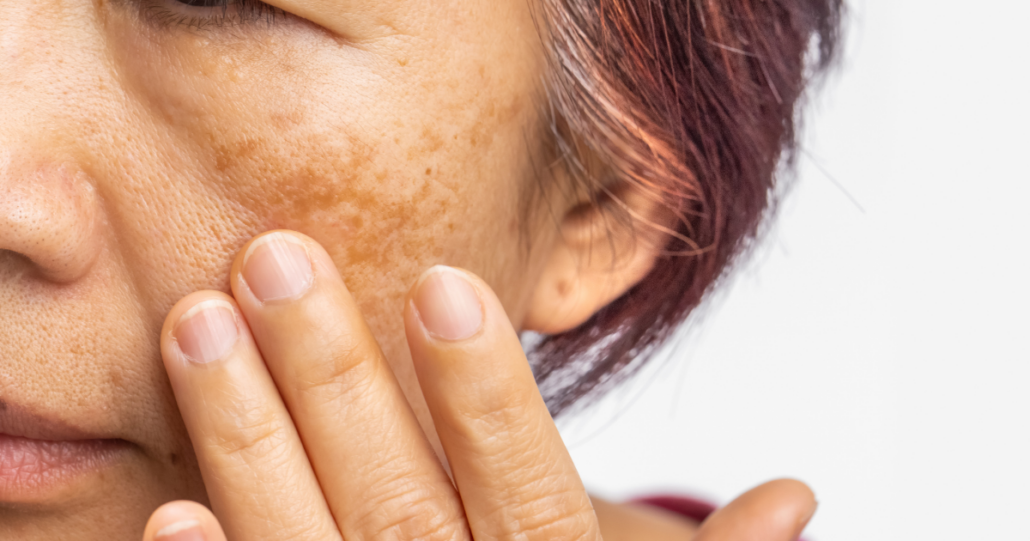
Melasma is a common acquired pigmentary disorder characterized by symmetric hyperpigmented patches, most frequently affecting sun-exposed areas of the face. Although benign, melasma can have a significant impact on quality of life due to its chronic, relapsing nature and the cosmetic concerns it creates. Effective management remains challenging, as treatment responses vary and recurrence is common. As a board-certified dermatology nurse practitioner, I frequently counsel patients on evidence-based approaches to melasma treatment. In this article, I will review the current therapeutic options, examine the clinical evidence supporting their use, and discuss treatments that may offer limited or inconsistent benefit.
What Causes Melasma?
Melasma results from overactive melanocytes, the cells responsible for producing pigment in the skin. Its development is influenced by environmental, hormonal, genetic, and inflammatory factors:
- Sun exposure: Ultraviolet (UV) radiation is the most significant trigger, stimulating melanocyte activity and worsening pigmentation.
- Hormonal fluctuations: Pregnancy (commonly referred to as “the mask of pregnancy”), oral contraceptives, and hormone replacement therapy can precipitate or exacerbate melasma.
- Genetic predisposition: Individuals with a family history of melasma are at higher risk, indicating a heritable component.
- Skin irritation or inflammation: Certain cosmetic procedures, topical products, or skin trauma may lead to post-inflammatory hyperpigmentation, which can exacerbate existing melasma.
Because melasma is a chronic, relapsing disorder, long-term management typically involves a combination of topical agents, procedural therapies, and consistent photoprotection.
Evidence-Based Treatments
- Hydroquinone
-
- Mechanism: Tyrosinase inhibitor that reduces melanin synthesis.
- Triple Combination Therapy
-
- Mechanism: Combination of hydroquinone, tretinoin, and a mild corticosteroid that reduces melanin synthesis, increases epidermal turnover, and decreases inflammation to enhance pigment clearance.
- Azelaic Acid
-
- Mechanism: Inhibits melanocyte proliferation; safe for use in pregnancy.
- Retinoids
-
- Mechanism: Promotes epidermal turnover and reduces pigment deposition.
- Tranexamic Acid
-
- Mechanism: Reduces melanocyte activation and vascular contribution to melasma. Available in topical, oral, and intradermal forms. Oral use is considered with appropriate patient screening due to potential thromboembolic risk.
Other Promising Adjuncts
- Kojic Acid
-
- Mechanism: Mild depigmenting agent often used in combination therapy.
- Vitamin C (Ascorbic Acid)
-
- Mechanism: Antioxidant and tyrosinase inhibitor with mild clinical improvement, best used in combination therapy.
- Vitamin B3 (Niacinamide)
-
- Mechanism: Inhibits melanosome transfer to keratinocytes and reduces inflammation.
- Polypodium leucotomos
-
- Mechanism: Oral antioxidant (fern extract) used as an adjunct that provides systemic photoprotection and anti-inflammatory effects rather than direct pigment suppression.
Procedures That May Help
- Chemical Peels
-
- Mechanism: Remove the outer skin layer to improve pigmentation.
- Certain Laser and Light Therapies
-
- Mechanism: Certain laser and light therapies may target pigment or stimulate dermal remodeling, but outcomes are variable and patient-specific.
- Microneedling
-
- Mechanism: While not a primary therapy, it is supportive in melasma treatment by enhancing penetration and absorption of topical treatments, promoting skin turnover, and stimulating skin remodeling.
Treatments That Don’t Work Well
- Over-the-counter “miracle creams”: Many lack clinical evidence.
- Unsupervised high-strength bleaching agents: Can cause irritation or permanent discoloration.
- Single-use laser or peel treatments: Melasma tends to recur without ongoing management and sun protection. Procedures should be reviewed with your DSCW provider to assess which may be appropriate (or inappropriate) for your skin type.
The Key to Long-Term Control
- Sun Protection: Daily use of broad-spectrum SPF 30+ and physical blockers (zinc oxide, titanium dioxide) is non-negotiable.
- Consistent Skincare Routine: Gentle cleansers, moisturizers, and prescribed topical agents.
- Ongoing Maintenance: Even after successful treatment, melasma can return. Intermittent use of topical agents may help prevent relapse.
Bottom Line
Melasma is challenging but treatable with a combination of prescription topicals, safe procedures, and diligent sun protection. Avoid shortcuts and unproven remedies-they often worsen the condition! Consult your DSCW dermatology provider today to create a personalized treatment plan.
References:
American Academy of Dermatology Association. (2026). Melasma: Overview. American Academy of Dermatology. https://www.aad.org/public/diseases/a-z/melasma-overview
Gan, C., Rodrigues, M. An Update on New and Existing Treatments for the Management of Melasma. Am J Clin Dermatol 25, 717–733 (2024). https://doi.org/10.1007/s40257-024-00863-2
González-Molina V, Martí-Pineda A, González N. Topical Treatments for Melasma and Their Mechanism of Action. J Clin Aesthet Dermatol. 2022 May;15(5):19-28. PMID: 35642229; PMCID: PMC9122278.
Jo JY, Chae SJ, Ryu HJ. Update on Melasma Treatments. Ann Dermatol. 2024 Jun;36(3):125-134. doi: 10.5021/ad.23.133. PMID: 38816973; PMCID: PMC11148313.
Neagu, N., Conforti, C., Agozzino, M., Marangi, G. F., Morariu, S. H., Pellacani, G., … Dianzani, C. (2022). Melasma treatment: a systematic review. Journal of Dermatological Treatment, 33(4), 1816–1837. https://doi.org/10.1080/09546634.2021.1914313
Parać, E., & Bukvić Mokos, Z. (2024). Unmasking Melasma: Confronting the Treatment Challenges. Cosmetics, 11(4), 143. https://doi.org/10.3390/cosmetics11040143
Piętowska, Z., Nowicka, D., & Szepietowski, J. C. (2022). Understanding Melasma-How Can Pharmacology and Cosmetology Procedures and Prevention Help to Achieve Optimal Treatment Results? A Narrative Review. International Journal of Environmental Research and Public Health, 19(19), 12084. https://doi.org/10.3390/ijerph191912084


